


Root-zone spacing
When potting, choose a container just 2–4 in wider than the root ball and avoid crowding multiple palms together, which keeps the root zone aerated and reduces the risk of fungal root issues as the plant matures.

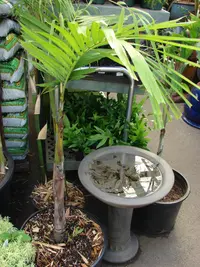
Solitaire palm, Ptychosperma elegans, is a slender, clustering palm valued for its smooth ringed trunk and neat crown of feathered fronds. It develops bright red ornamental fruits that add visual interest but are not typically eaten. Native to tropical rainforests of northeastern Australia, it naturally grows in warm, humid, shaded habitats. The plant is considered moderately easy if its need for consistent warmth, sheltered light, and regular moisture is met. It suits bright indoor spaces or protected patios in mild climates. Understanding how to care for Solitaire palm mainly involves providing stable conditions and avoiding cold drafts or very dry air.

Care Difficulty
Moderate Care

Light Preference
Partial Shade

Water Requirements
Regular Water

Temperature Preference
Tropical / Frost Sensitive

Hardiness Zone
10–12

Soil Texture
Sandy, Loamy, Organic-rich

Soil pH
Acidic (5.5–6.5), Slightly acidic (6.5–7.0)

Soil Drainage
Moist but well-drained

Fertilization
Light (every 4–6 weeks)
Scan your plant to receive care tips personalized for your specific plant
Available on iOS and Android
This palm prefers bright, filtered light similar to bright understory forest conditions.
Ptychosperma elegans needs steadily moist but not waterlogged soil for healthy growth.
This species thrives in consistently warm, frost-free conditions.
This palm prefers consistently moist, moderately humid air to keep fronds healthy.
This species needs a moist, airy mix that drains rapidly yet holds some organic moisture.
This palm adapts well to container growing when given a stable, well-drained setup.
Ptychosperma elegans responds well to modest, consistent feeding during its warm growing season.
Pruning Ptychosperma elegans focuses on hygiene and safety rather than reshaping the palm.
Container-grown Ptychosperma elegans prefers slightly snug pots and infrequent disturbance.
Propagation of Ptychosperma elegans is typically done from seed rather than division or cuttings.
This tropical palm has low cold tolerance and needs thoughtful winter care in most temperate regions.

Plant Health Check
Not sure what's wrong with your plant? Check your plant's health inside the app.
This species occurs naturally in lowland and upland rainforests of northeastern Queensland, Australia, often on well-drained slopes rather than in swampy ground.
Its bright red fruits are eaten by rainforest birds, which disperse the seeds after the fleshy outer layer passes through their digestive tract, helping maintain natural populations in fragmented habitats.
The slender grey trunk shows clear, evenly spaced rings formed by old leaf scars, which allows botanists to distinguish it easily from many other small Australian palms in the field.

In parts of coastal Queensland this palm is common enough to be a characteristic component of the understorey, forming elegant clumps that create a visually distinctive layer below taller canopy trees in mature rainforest.
This species grows at a moderate rate. In warm, frost-free climates it typically adds about 15–30 cm of trunk per year once established, growing more slowly in containers, cooler conditions, or low light situations.
Keep your plants happy and healthy with plant identification, disease detection, and easy care guidance.

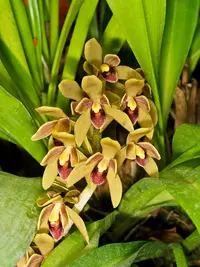
Cymbidium devonianum
Cymbidium devonianum
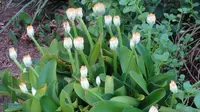
White Bloodlily
Haemanthus albiflos
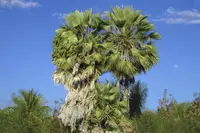
Carnauba palm
Copernicia prunifera
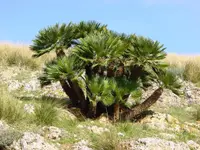
European fan palm
Chamaerops humilis
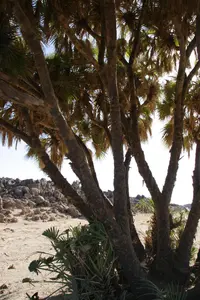
doum palm
Hyphaene thebaica
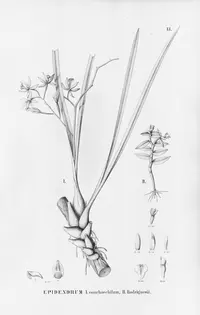
big cypress star orchid
Epidendrum strobiliferum
 POPULAR
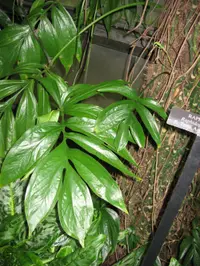
Creeping philodendron
Rhaphidophora decursiva

Everglades palm
Acoelorraphe wrightii