Florida silver palm Care (Coccothrinax argentata)

Florida silver palm

About Florida silver palm

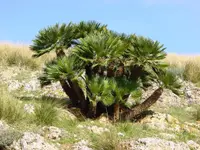
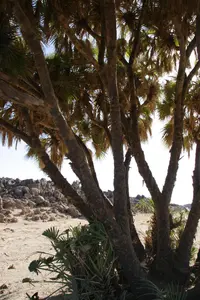
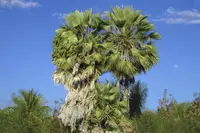
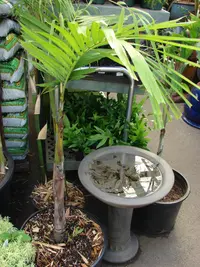
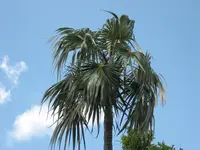
The Florida silver palm, Coccothrinax argentata, is a small to medium fan palm native to coastal areas of southern Florida, the Bahamas, and the Caribbean. It forms a slender trunk topped with a rounded crown of stiff, circular leaves.

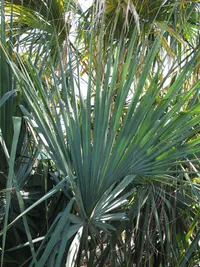
The upper leaf surfaces are green, while the undersides show a striking silvery-white tone that shines in sunlight. This species grows slowly and stays relatively compact compared with many other palms.

It is adapted to hot, dry, and windy coastal conditions, which makes it drought-tolerant and well suited to sandy, well-drained soils. These traits generally make it low maintenance for experienced gardeners who understand how to care for Florida silver palm.

Main Plant Requirements

Care Difficulty

Moderate Care

Light Preference

Full Sun

Water Requirements

Low Water

Temperature Preference

Warm Climate

Hardiness Zone

10–11

Soil Texture

Sandy, Loamy, Rocky

Soil pH

Slightly acidic (6.5–7.0), Neutral (7.0)

Soil Drainage

Well-drained

Fertilization

Minimal (feed rarely)

Get Personalized Care Plan

Scan your plant to receive care tips personalized for your specific plant

Available on iOS and Android

How to Care for the Florida silver palm

This palm thrives in bright, open sites that mimic its native coastal habitat.

  • Provide 6–8 hours of direct sun daily; morning and midday sun are ideal, with some relief from intense late-afternoon summer sun in very hot inland areas.
  • Young Florida silver palm plants tolerate light partial shade, but dense shade leads to slow growth, sparse fronds, and a thin trunk over time.
  • In cooler or cloudier seasons, ensure the site is as unobstructed as possible so low-angle sun still reaches the crown.

This species prefers dry to moderately moist conditions and is highly sensitive to poor drainage.

  • Allow the top 5–8 cm of soil to dry before watering; in sandy ground this may occur quickly, while heavier soils stay moist longer and need less frequent watering.
  • Coccothrinax argentata shows overwatering through yellowing lower fronds and soft, darkened roots, while underwatering causes crisp, browning leaflet tips and limp, folded fronds.
  • Use sharply drained, sandy or gravelly soil so water runs through within seconds; reduce watering in cool months when growth slows and evaporation is lower.

This coastal palm favors warm, stable climates with only brief exposure to cold.

  • Optimal growth occurs around 70–85°F (21–29°C), typical of warm subtropical and frost-free coastal regions.
  • Mature plants tolerate short dips to about 28–30°F (-2 to -1°C), but repeated freezes damage fronds and young plants can be killed near freezing.
  • Heat tolerance is high up to about 95°F (35°C) if soil is not waterlogged; in cooler seasons, growth slows below 60°F (16°C) and recovery is gradual.

This species handles a wide humidity range but grows best in moderately dry to average air.

  • Aim for 30–50% humidity; higher levels are unnecessary except for very small seedlings.
  • The Florida silver palm tolerates dry indoor air but fronds may brown at tips if air is extremely dry for long periods.
  • Humidity stress shows as crispy leaflet tips and slowed growth; use a pebble tray or group plants to slightly raise local humidity if this occurs.

Coccothrinax argentata prefers sharply drained, sandy soil that does not stay wet.

  • Use a lean, gritty mix such as 50–60% coarse sand or fine gravel with the rest split between cactus mix and a small amount of compost.
  • Ensure very fast drainage; water should run through in seconds and the mix should dry quickly between waterings.
  • A slightly alkaline to neutral pH around 7.0–7.8 suits this coastal species and supports mineral availability.
  • Avoid heavy clay, peat-heavy mixes, or soil that compacts, stays soggy, or forms a crust on top; add pumice or perlite to improve aeration if needed.

This palm can be grown in containers, especially while young or in colder regions.

  • Choose a deep, heavy pot that resists tipping, as the plant becomes tall and wind-exposed with age.
  • Use a narrow but deep container to match its relatively narrow root system while providing strong anchorage.
  • Place the pot where it is sheltered from strong gusts, as top-heavy fronds can stress roots when the container rocks.

Coccothrinax argentata grows slowly and needs only modest fertilization in most garden soils.

  • Use a balanced slow-release palm fertilizer (for example 10-10-10 or 8-2-12 with micronutrients) at the start of spring.
  • Feed 1–2 times during the warm growing season, following label rates rather than increasing dose.
  • Avoid fertilizing in late fall and winter to prevent soft, cold-sensitive growth.
  • On sandy coastal soils, supplement once a year with compost as a light surface topdressing.

Pruning Coccothrinax argentata is mainly cosmetic and focuses on removing spent or damaged fronds.

  • Carry out pruning in late winter or early spring, before strong new growth begins.
  • Remove only brown, dead, or clearly diseased fronds, cutting close to the trunk without injuring it.
  • Leave healthy green fronds to maintain photosynthesis and stable growth form.
  • Use clean, sharp loppers or a pruning saw, disinfecting blades before and after use.

Florida silver palm is usually grown in the ground; transplanting should be infrequent and carefully planned.

  • Transplant in late spring or early summer when soil is warm and the plant is actively growing.
  • Look for signs such as slow growth or roots circling a large nursery container before moving to a permanent site.
  • Choose a sunny, very well-drained spot, planting at the same depth and firming soil gently around roots.
  • Water deeply after transplanting, then reduce to infrequent, deep soakings to limit stress and encourage establishment.

Coccothrinax argentata is almost always propagated from seed, and the process is slow but reliable with the right conditions.

  • Sow fresh, cleaned seeds in late spring or early summer for best germination.
  • Use a very well-drained mix (for example sand and peat or coco coir) kept evenly moist but never waterlogged.
  • Maintain warm temperatures around 75–85°F with bright, indirect light to encourage steady germination.
  • Expect germination to take several weeks to months, and transplant seedlings only once roots are well developed.

This palm is moderately cold tolerant in warm climates but benefits from some winter precautions in cooler areas.

  • Mature plants tolerate brief dips near 25–28°F, but younger palms are more sensitive to freezing.
  • Apply a 5–8 cm mulch layer around the root zone, keeping it slightly away from the trunk base.
  • Wrap the crown of small palms with breathable frost cloth during hard freezes in marginal climates.
  • Move container-grown plants indoors or into a bright, frost-free garage or porch before freezing nights.

Care Tips

Wind conditioning

In the first 1–2 years, gradually expose young plants to stronger wind so the trunk and root system adapt, which helps prevent leaning or breakage once planted in open coastal sites.

Reflective mulch use

In very hot, bright locations, use a light-colored mineral mulch such as crushed shells or pale gravel around the root zone to reflect light onto the leaves while keeping the crown dry and discouraging weeds.

Salt spray management

After storms that bring heavy salt spray, hose the foliage with fresh water early in the morning to reduce salt burn on leaf surfaces without keeping the crown wet overnight.

Root ball stabilization

When transplanting, stake only the root ball area with low, padded stakes and ties for 3–6 months to keep the palm stable while allowing the slender trunk to move naturally in the wind.

Old leaf handling

When removing dead or badly tattered fronds, cut them 2–3 cm from the trunk rather than flush, which reduces the risk of trunk injury and fungal entry points during long-term caring for Florida silver palm.

Common Pests and Diseases

Palm leaf skeletonizer

This pest is a caterpillar that feeds between leaf surfaces, leaving narrow, transparent windows and eventually brown, skeletonized fronds. Symptoms include streaked, mined areas on the leaf blades that dry out over time.

Solution

Prune and dispose of heavily infested fronds to remove larvae and pupae, then inspect nearby palms regularly. For active infestations, use a targeted Bacillus thuringiensis (B.t.) caterpillar spray on young fronds, applied according to label directions and repeated as needed until new growth emerges clean.

Royal palm bug

This pest is a small sap‑sucking insect that causes yellow streaking, speckling, and distortion on newly emerging fronds. Symptoms include stiff, stunted new leaves that may appear folded or scorched along the midrib.

Solution

Trim and discard the most damaged new fronds, then monitor emerging leaves closely. If bugs are present, treat the unfolding spear and adjacent foliage with a systemic or contact insecticide labeled for palm bugs, applied in calm weather and repeated based on label intervals until normal new growth returns.

Scale insects

These insects appear as small, fixed bumps on leaf blades and petioles and feed on plant sap, weakening the palm. Symptoms include dull, chlorotic fronds and sticky honeydew that can encourage sooty mold growth on the leaf surface.

Solution

Wipe or gently scrub accessible fronds with a soft cloth or brush and mild soapy water to remove scales, then rinse with clean water. For persistent colonies, apply a horticultural oil spray to thoroughly coat the insects, repeating at 7–14 day intervals while avoiding application during high heat or full midday sun.

Ganoderma butt rot

This disease is caused by a wood‑decay fungus that attacks the lower trunk and root flare, leading to gradual decline and potential palm death. Symptoms include wilting, reduced canopy density, general yellowing, and the appearance of hard, varnished, shelf‑like conks at the base of the trunk.

Solution

Remove and destroy affected palms promptly, including as much of the stump and roots as possible, and avoid replanting any palm species in the exact spot. Improve site drainage, prevent trunk wounds, and avoid soil compaction or grade changes around the palm base to reduce future infection risk.

Interesting Facts

Native coastal specialist

This palm is naturally restricted to coastal habitats of southern Florida, the Bahamas, and parts of the Greater Antilles, where it often grows directly on limestone rock or coral sand with very little organic soil.

Silvery leaf adaptation

The striking silver underside of its fan leaves reflects intense sunlight and reduces water loss, an adaptation that helps the plant tolerate high heat and strong coastal sun.

High salt tolerance

It shows notable tolerance to salt spray and alkaline conditions, allowing it to survive in exposed dune and coastal scrub communities that are too harsh for many other tree species.
Botan icon

Did you know?

In Florida, this species often acts as a pioneer plant on degraded or disturbed coastal sites, helping to stabilize sandy soils and create microhabitats that allow other native plants to establish over time.

FAQs about Florida silver palm

This species grows slowly, usually adding 10–20 cm of trunk per year in suitable climates. It often needs 10–20 years to form a noticeable trunk and several decades to look fully mature.

Grow Healthy Plants with Botan Care

Keep your plants happy and healthy with plant identification, disease detection, and easy care guidance.
Botan plant care app — identify plants on mobile

Explore More Plants