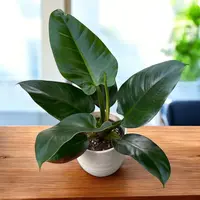
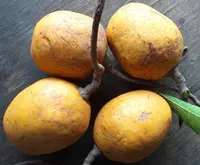
Annona papilionella Care

Annona papilionella

About Annona papilionella

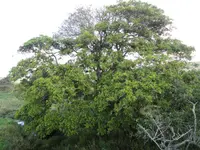
Annona papilionella is a lesser-known tropical shrub or small tree in the custard apple family, valued mainly by collectors and specialty growers. It typically has simple, glossy leaves and a bushy to slightly upright growth habit, forming a compact canopy rather than a tall, open tree.

This species is believed to occur in tropical regions of South America, where it grows in warm, humid conditions. It is not widely cultivated, so most information comes from enthusiasts who care for Annona papilionella in private collections.

Growth tends to be moderate, and the plant can be somewhat demanding about warmth and protection from cold or very dry air. It generally prefers bright light, evenly moist but well-drained soil, and shelter from strong wind.

Main Plant Requirements

Care Difficulty

Moderate Care

Light Preference

Partial Sun

Water Requirements

Moderate Water

Temperature Preference

Warm Climate

Hardiness Zone

Unknown

Soil Texture

Loamy

Soil pH

Slightly acidic (6.5–7.0)

Soil Drainage

Well-drained

Fertilization

Minimal (feed rarely)

Get Personalized Care Plan

Scan your plant to receive care tips personalized for your specific plant

Available on iOS and Android

How to Care for the Annona papilionella

This tropical species performs best with bright, warm conditions that avoid harsh midday extremes.

  • Provide 6–8 hours of light daily, ideally with full morning sun and light afternoon shade to reduce leaf scorch risk for Annona papilionella.
  • In hot climates, use filtered light (through sparse canopy or shade cloth) between 11 a.m. and 3 p.m. to prevent sunburn on young leaves and stems.
  • In cooler seasons or higher latitudes, choose the sunniest, south-facing spot available and avoid deep shade, which causes weak, elongated growth and poor flowering.

Watering should keep the root zone consistently moist but never saturated to support steady growth.

  • Irrigate when the top 3–5 cm of soil feel dry, allowing thorough soaking until water moves beyond the main root zone, then let excess drain away fully.
  • In warm growing seasons, expect more frequent watering, while in cooler months reduce frequency so the surface dries slightly deeper to limit root rot risk.
  • Watch leaves for cues: pale, yellowing, soft foliage suggests overwatering and poor drainage, while dull, curling, or crisp edges indicate the plant is staying too dry between waterings.

This species prefers warm, frost-free conditions typical of lowland tropical and subtropical climates.

  • Aim for 70–85°F (21–29°C) during active growth, as this range supports strong shoot development and flowering.
  • Protect the plant from temperatures below 40°F (4°C); light frost can damage young tissues and hard frost may kill branches or entire plants.
  • During heat waves above 95°F (35°C), increase soil moisture, add mulch, and provide light shade to reduce heat stress and leaf scorch, especially for young trees.

This species prefers moderately humid air and reacts quickly to very dry conditions.

  • Aim for 50–70% humidity; it tolerates brief dips to 40% but not prolonged dry air near heaters or strong drafts.
  • Watch for curling, browning leaf tips and slowed new growth as signs of humidity stress.
  • Increase humidity with a nearby room humidifier, grouped plants, or a pebble tray, rather than misting leaves heavily.

Provide loose, well-drained, organic-rich soil to support steady growth and healthy roots.

  • Use a loamy mix such as 40% compost, 30% coconut coir or peat, 20% perlite, and 10% coarse sand for structure and drainage.
  • Aim for slightly acidic to neutral pH around 6.0–7.0 to support nutrient availability for Annona papilionella.
  • Ensure strong drainage so water runs through within seconds; avoid waterlogged or compacted substrates that exclude air from roots.
  • Improve aeration by adding extra perlite or fine bark if the mix feels heavy, and never plant in dense clay without amendment.

This species can be grown successfully in containers when given enough root space and drainage control.

  • Choose a deep, wide pot to accommodate the developing taproot and lateral roots without constriction.
  • Select a heavy, stable container material if the plant becomes top-heavy, to reduce tipping in wind or on balconies.
  • Raise the pot on feet or bricks so drainage holes stay clear and excess water leaves the mix quickly after watering.

This species usually copes with low-fertility soils, but light feeding can support steady growth when cultivated.

  • Use a balanced NPK fertilizer (such as 10-10-10) or well-rotted compost for container-grown Annona papilionella.
  • Feed every 4–6 weeks during the warm growing season while plants are actively producing new shoots.
  • Dilute liquid fertilizer to half the label strength to avoid root burn and salt buildup in the substrate.
  • Stop or reduce feeding to 1 light application in late fall if growth slows or plants experience a cool, semi-dormant period.

Pruning is modest but useful to maintain structure, airflow, and safe size in cultivated plants.

  • Carry out the main pruning in late winter or very early spring before vigorous new growth begins.
  • Remove dead, diseased, crossing, or storm-damaged wood with clean, sharp bypass pruners or loppers.
  • Thin crowded interior branches to improve light penetration and airflow, which supports healthier foliage and reduces fungal issues.
  • Lightly shorten overly long shoots to shape the canopy, keeping cuts just above outward-facing buds to encourage balanced branching.

This species is more often field-grown, but young container or nursery plants benefit from careful transplanting.

  • Transplant when roots circle the pot, growth becomes slow despite good care, or the plant dries out very quickly after watering.
  • Aim to transplant in late spring once soil is warm and frost risk has passed, typically every 2–3 years for young plants.
  • Shift into a container or planting hole only 1–2 sizes larger, using a free-draining, slightly sandy mix to limit waterlogging stress.
  • Water thoroughly after planting, then keep soil evenly moist and shaded for 1–2 weeks to reduce transplant shock and allow roots to establish.

Propagation of Annona papilionella is typically done from seed under warm, controlled conditions.

  • Sow fresh, cleaned seeds in late spring in a sterile, well-draining seed mix with good aeration.
  • Lightly cover seeds and maintain 75–85°F soil temperature plus consistent, gentle moisture until germination.
  • Provide bright, indirect light and good air movement to limit damping-off, a fungal disease that kills seedlings at soil level.
  • Transplant seedlings into individual pots once they develop several true leaves, handling roots carefully to avoid damage.

This warm-climate species is sensitive to freezing conditions and benefits from targeted winter protection in cooler regions.

  • Avoid exposure to frost; maintain temperatures above 40°F for container or young plants whenever possible.
  • Apply a 5–8 cm layer of organic mulch around the root zone, keeping it slightly away from the trunk to limit rot.
  • Wrap young trunks with breathable horticultural fleece during short cold snaps in marginal climates.
  • Move potted specimens indoors or into a greenhouse before the first expected frost, ensuring bright light and reduced watering.

Care Tips

Early framework pruning

In the first 2–3 years, pinch or tip back overly vigorous shoots at 20–30 cm to encourage a low, branched framework that can support future fruit without snapping.

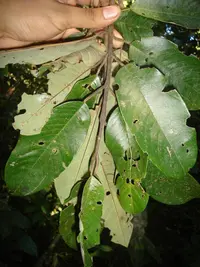
Wind and branch support

In exposed sites, stake the main stem loosely and use soft ties to support fruiting branches during heavy set, preventing wind rock and limb breakage while the wood is still young.

Mulch for root stability

Maintain a 5–8 cm ring of coarse organic mulch over the root zone, kept 5–8 cm away from the trunk, to buffer soil moisture and protect the relatively shallow feeder roots from heat and mechanical damage.

Hand pollination assist

If fruit set is poor, collect freshly dehiscing pollen from male-stage flowers in the evening and brush it onto receptive female-stage flowers the next morning using a soft artist brush or cotton swab.

Targeted pest scouting

Inspect young flushes and the undersides of leaves every 7–10 days during warm months for scale insects and caterpillars, and remove small infestations by hand or with a cotton pad dipped in insecticidal soap as part of caring for Annona papilionella.

Common Pests and Diseases

Annonaceae leafminer

This pest tunnels inside young leaves, creating serpentine mines, blistered patches, and premature leaf drop that can slow growth in young plants.

Solution

Remove and destroy affected leaves as soon as mines are seen, then use a systemic insecticide containing imidacloprid or spinosad according to label directions; for small plants, fine mesh netting over new flushes can reduce adult moth egg‑laying and helps when growing Annona papilionella in collections or trial beds.

Fruit borer

This pest bores into developing fruits, leaving small entry holes, frass, and internal breakdown that makes fruits unmarketable or unusable for seed collection.

Solution

Inspect fruits regularly and remove any with visible entry holes, then collect and destroy dropped fruits; use pheromone or light traps to reduce adult moth populations and, in outdoor plantings, bag young fruits with paper or fabric sleeves to prevent egg‑laying on the skin.

Scale insects

These insects attach to stems and leaf undersides, sucking sap and producing honeydew that encourages black sooty mold growth and general decline in vigor.

Solution

Wipe or gently scrub stems and leaves with a soft cloth dipped in lukewarm soapy water, then rinse; for persistent infestations, apply horticultural oil or a labeled systemic insecticide, and improve light and airflow to reduce mold development on honeydew.

Anthracnose

This disease causes dark, sunken spots on leaves, young shoots, and sometimes fruit, often expanding into irregular lesions during warm, humid weather.

Solution

Prune and discard infected shoots and leaves, avoid overhead watering, and ensure good spacing for airflow; during extended wet periods, apply a copper‑based fungicide or other labeled anthracnose fungicide preventively to young foliage and flower clusters.

Cercospora leaf spot

This disease leads to multiple small, circular to irregular brown or purplish spots on leaves, which can coalesce and cause early leaf drop under high humidity.

Solution

Collect and destroy fallen leaves to reduce inoculum, water at the soil level to keep foliage dry, and thin dense growth to improve air movement; if spotting progresses, use a labeled foliar fungicide such as chlorothalonil or copper on new leaves, following all safety and interval instructions.

Interesting Facts

Butterfly‑like leaves

This species is named for its distinctive bilobed leaves that resemble a butterfly in shape, a trait that helps distinguish it from other Annonaceae shrubs in its native range.

Cerrado habitat specialist

It is naturally restricted to the Brazilian Cerrado, a seasonally dry savanna ecosystem, and is adapted to nutrient-poor, often acidic soils and marked dry seasons.

Small shrub growth

Unlike many Annona species that form small trees, this taxon typically remains a low woody shrub, which reflects adaptation to open savanna and scrub rather than closed forest.

FAQs about Annona papilionella

This species can be kept indoors in bright, warm rooms, but it generally performs better in a greenhouse or sunroom than in a typical living room. Adequate light, humidity, and space are essential for successful Annona papilionella indoor care.

Grow Healthy Plants with Botan Care

Keep your plants happy and healthy with plant identification, disease detection, and easy care guidance.

Botan plant care app — identify plants on mobile

Explore More Plants