Melocactus zehntneri Care

Melocactus zehntneri

About Melocactus zehntneri

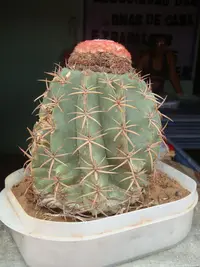
Melocactus zehntneri is a slow-growing cactus known for its round, ribbed green body topped with a distinctive woolly, often reddish cephalium. This cephalium is a specialized growth where small pink to red flowers and later fruits appear, giving the plant a unique, two-tiered look.

It is native to rocky, sun-exposed habitats in northeastern Brazil, where it grows in very well-drained, often shallow soils. The plant is long-lived but sensitive to overwatering and cold, which makes it more demanding than many common cacti.

Those who want to learn how to care for Melocactus zehntneri should focus on bright light, warm temperatures, and a very gritty, fast-draining soil mix.

Main Plant Requirements

Care Difficulty

Hard Care

Light Preference

Full Sun

Water Requirements

Low Water

Temperature Preference

Tropical / Frost Sensitive

Hardiness Zone

11–12

Soil Texture

Sandy, Rocky, Loamy

Soil pH

Acidic (5.5–6.5), Slightly acidic (6.5–7.0)

Soil Drainage

Well-drained

Fertilization

Minimal (feed rarely)

Get Personalized Care Plan

Scan your plant to receive care tips personalized for your specific plant

Available on iOS and Android

How to Care for the Melocactus zehntneri

This cactus prefers strong sun but benefits from some protection during the hottest hours in dry, hot climates.

  • Provide 6–8 hours of direct sun daily, ideally with morning sun and light afternoon shade in very hot regions to avoid scorching of the cephalium and stem.
  • Plants tolerate bright, open exposure but can handle light partial shade; in too much shade, growth elongates and the body turns dull green or leans toward the light.
  • When moving Melocactus zehntneri from shade to sun, increase exposure over 10–14 days to prevent sunburn patches that appear pale, corky, or reddish-brown.

Watering should be infrequent and controlled to avoid root and stem rot in this dry-adapted cactus.

  • In the growing season, water only when the top 3–5 cm of soil are completely dry, then soak and let excess drain away fully.
  • Reduce watering sharply in cooler months, giving just enough to prevent wrinkling of the stem; in cool, low-light conditions, keep almost dry.
  • Use very fast-draining, gritty soil; signs of overwatering include soft, yellowing tissue at the base, while deep wrinkling and slight shrinkage indicate Melocactus zehntneri needs water.

This species prefers warm, stable temperatures and is sensitive to cold and frost.

  • Optimal growth occurs around 70–85°F (21–29°C); brief peaks up to 95°F (35°C) are tolerated if air is moving and the root zone is not waterlogged.
  • Protect the plant from temperatures below 50°F (10°C); prolonged exposure near 40°F (4°C) or any frost can damage tissue and kill roots.
  • In cooler seasons, keep it dry and warm, avoiding sudden swings of more than 10–15°F (6–8°C) in a day to reduce stress on Melocactus zehntneri.

This cactus prefers dry air and usually does well in typical indoor humidity.

  • Aim for 30–50% humidity, similar to most heated or air-conditioned homes.
  • Dry, shriveled ribs combined with soft, pale new growth can signal excess humidity and poor drying rather than lack of moisture.
  • Improve air movement with an open, airy placement and avoid clustering pots tightly, which slows evaporation and encourages fungal problems.

Melocactus zehntneri needs a very fast-draining, mineral-heavy substrate to prevent root rot.

  • Use a gritty, sandy mix such as 30–40% cactus potting mix combined with 60–70% mineral materials like pumice, coarse sand, and small gravel.
  • Aim for slightly acidic to neutral pH around 6.0–7.0, which supports nutrient availability without encouraging salt buildup.
  • Create strong drainage by using coarse, irregular particles rather than fine sand alone, which can compact and hold too much water.
  • Avoid peat-heavy, moisture-retentive mixes and any soil that stays wet for more than 24 hours after watering.

This species is well suited to container growing when the pot supports rapid drainage and firm anchoring.

  • Choose a heavy, low clay or ceramic pot to counterbalance the tall stem and cephalium so the plant does not tip over.
  • Select a pot only 2–3 cm wider than the root ball to reduce the volume of unused, wet substrate around the roots.
  • Raise the container slightly on pot feet or small tiles so drainage holes remain clear and water can exit quickly.

This cactus benefits from light, precise feeding to support healthy growth without soft, weak tissue.

  • Use a low-nitrogen balanced cactus fertilizer (for example 2-7-7) or dilute balanced NPK to 1/4 strength in mineral, fast-draining soil.
  • Feed Melocactus zehntneri every 4–6 weeks during warm, active growth, only when the soil is already moist.
  • Avoid organic compost or manure, which can hold excess moisture and increase rot risk in the root zone.
  • Stop feeding in fall and winter, or reduce to 1 very light application if nights remain above 60°F and growth continues.

Pruning needs for this species are minimal and focus on hygiene and safety rather than shaping.

  • Carry out any work in late spring or summer, when the plant is actively growing and wounds seal faster.
  • Remove only dead, diseased, or badly damaged tissue using sharp, disinfected scissors or a small knife.
  • Do not cut into healthy ribs or the cephalium, since this can permanently scar the plant and reduce flowering.
  • After removing problem tissue, keep the plant dry for several days so cut surfaces callus and infection risk stays low.

This cactus prefers to stay slightly root-bound and only needs infrequent, careful repotting to avoid stress.

  • Check every 3–4 years; repot when roots circle the pot, emerge from drainage holes, or growth becomes noticeably slow.
  • Plan repotting for late spring to early summer, using a pot only 1–2 in wider with excellent drainage holes.
  • Use a very gritty cactus mix, handle the root ball gently, and keep roots as intact as possible to limit shock.
  • After repotting, keep the plant in bright, indirect light and withhold watering for 5–7 days, then water lightly to encourage root recovery.

Propagation of Melocactus zehntneri is usually done from seed and is considered slow and specialist-focused.

  • Sow fresh seeds in late spring or early summer in a sterile, very fine cactus mix with good drainage.
  • Press seeds onto the surface or barely cover, then maintain 75–85°F with bright, indirect light for germination.
  • Keep humidity moderately high using a vented cover, but avoid waterlogged conditions that lead to damping-off disease.
  • Expect germination and early growth to be slow; seedlings may need several years before resembling mature plants.

This cactus is not frost hardy and needs strict cold-season protection, especially in cooler regions.

  • Keep temperatures above 55–60°F; exposure to frost or prolonged cold can kill roots and damage the cephalium.
  • Move container plants indoors or to a heated greenhouse before nights drop below 50°F.
  • Provide as much light as possible indoors, such as a bright south-facing window, to maintain compact growth.
  • In winter, water very sparingly in well-draining soil and avoid cold, damp conditions to support stable Melocactus zehntneri indoor care.

Care Tips

Cephalium protection

Once the cephalium (the bristly cap) forms, protect it from overhead water and frequent handling to reduce the risk of rot and mechanical damage to new flower and fruit tissue.

Gradual light shifts

When moving the plant between seasons or locations, increase light exposure over 7–10 days to prevent epidermal sunscald on the mature stem and sensitive cephalium.

Pot weight check

Use the weight of the pot as a quick check before watering; this species should feel notably light, which indicates the root zone has dried sufficiently for safe irrigation.

Mineral top-dressing

Apply a 0.5–1 cm layer of coarse grit or small lava rock on the soil surface to keep the stem base dry, reduce algae and fungus growth, and stabilize the plant in its pot.

Winter rest management

During the cool, bright winter rest period, keep the plant completely dry and avoid repotting or disturbing the roots, as stable dormancy strongly supports long-term Melocactus zehntneri care.

Common Pests and Diseases

Mealybugs

This pest hides in woolly white clusters around the cephalium, areoles, and rib joints, sucking sap and slowing growth. Symptoms include sticky honeydew, sooty mold, and deformed new spines or flower buds.

Solution

Isolate the plant, then dab visible insects with cotton swabs dipped in 70% isopropyl alcohol, taking care not to saturate the cephalium. Improve air movement, reduce excess humidity, and repeat spot treatments weekly; for heavier infestations, use a labeled systemic insecticide for cacti according to package directions.

Spider mites

These insects thrive on stressed plants in hot, dry conditions, causing dull, dusty-looking epidermis and fine webbing between ribs and at the cephalium base. Symptoms include tiny yellow or gray speckling that can merge into larger bleached areas.

Solution

Rinse the plant thoroughly with a strong but controlled stream of water, avoiding direct impact on the cephalium, then allow it to dry quickly in airy, bright conditions. If activity persists, apply a miticide or neem oil product labeled for spider mites on succulents, ensuring good coverage of ribs and areoles while keeping the cephalium as dry as possible.

Scale insects

This pest appears as hard, brown or gray bumps along ribs and at the base of the cephalium, feeding on sap and weakening the plant. Symptoms include yellowing patches, reduced vigor, and honeydew that can attract sooty mold.

Solution

Gently scrape off or crush individual scales with a wooden stick or soft brush, then swab remaining insects with 70% isopropyl alcohol. For persistent populations, use a systemic insecticide suited to cacti and monitor regularly, since the clustered cephalium structure makes early detection important in Melocactus zehntneri care instructions.

Corky scab lesions

This disease produces rough, tan to brown corky patches on the lower ribs where the epidermis has been stressed by sun, mechanical damage, or fluctuating moisture. Symptoms include hardened, non-spreading scars that change the plant’s appearance but usually do not kill it.

Solution

Remove any contributing stress by stabilizing light, temperature, and watering, and avoid sudden shifts between shade and strong sun. Keep the surface dry after watering, improve air circulation, and discard any tools or materials that might carry pathogens; affected tissue will not revert but new growth should remain healthy if conditions are corrected.

Fusarium stem rot

This disease starts as localized sunken, reddish to brown areas that may appear near mechanical wounds or at the soil line, later softening and spreading internally. Symptoms include a reddish vascular discoloration inside the stem and a foul odor as tissue collapses.

Solution

At an early stage, cut out all affected tissue with a sterile knife, allowing only firm, clean, white tissue to remain, and dust cuts with a dry sulfur or copper-based fungicide. Reduce watering, keep the plant in a warm, very well-ventilated area, and avoid wounding the stem or cephalium, since these entry points greatly increase susceptibility.

Interesting Facts

Distinctive woolly cephalium

Mature plants form a tall, woolly and bristly cephalium, a specialized flowering structure that can reach 8–10 cm high and contrasts strongly with the smooth, ribbed green stem below. This cephalium produces the small pink to magenta flowers and later red, club-shaped fruits from its top surface.

Seasonal growth pattern

This species shows marked seasonality, with active stem growth during the warm, wetter months and almost complete dormancy in the dry season of its native northeastern Brazil. Once the cephalium forms, stem elongation slows dramatically and most new growth is diverted into building the cephalium itself.

Adapted to inselberg habitats

In nature it often grows on inselbergs, which are isolated rock outcrops with very shallow, fast-draining soils and intense sun exposure. Its thick cuticle and robust root system help it withstand high evaporation, strong winds, and rapid wet–dry cycles on these exposed rock surfaces.

Botan icon

Did you know?

This species shows significant morphological variation across its range in northeastern Brazil, and several regional forms were once described as separate taxa, but modern studies of spine characters and flower traits support treating them as part of a single, variable species.

FAQs about Melocactus zehntneri

This species usually blooms in warm months once the cephalium, the woolly cap at the top, has formed. It produces small tubular pink to reddish flowers repeatedly from the cephalium rather than large showy blooms.

Grow Healthy Plants with Botan Care

Keep your plants happy and healthy with plant identification, disease detection, and easy care guidance.

Botan plant care app — identify plants on mobile

Explore More Plants