


Rotate For Symmetry
Turn the pot 90° every 2–3 weeks so new leaves develop evenly around the stem, preventing a lopsided, one-sided plant structure.

Philodendron 'Imperial Green' is a compact, self-heading aroid grown mainly as an indoor foliage plant. It does not climb, but forms a dense rosette of leaves from a central stem.
The plant has broad, glossy, bright green leaves that create a clean, architectural look. New leaves unfurl from the center and gradually spread outward, giving it a rounded shape.
Its wild relatives occur in tropical rainforests of Central and South America, where they grow in warm, shaded, humid conditions. These origins explain its preference for bright, indirect light and evenly moist but well-drained soil.
Known for being adaptable and relatively forgiving, it suits beginners who want to learn how to care for Philodendron without managing a fast-climbing vine.

Care Difficulty
Easy Care

Light Preference
Bright Indirect Light

Water Requirements
Moderate Water

Temperature Preference
Tropical / Frost Sensitive

Hardiness Zone
10–11

Soil Texture
Loamy, Peaty, Organic-rich

Soil pH
Acidic (5.5–6.5), Slightly acidic (6.5–7.0)

Soil Drainage
Moist but well-drained

Fertilization
Light (every 4–6 weeks)
Scan your plant to receive care tips personalized for your specific plant
Available on iOS and Android
This plant prefers bright, gentle light that mimics dappled forest conditions.
Watering should keep the soil slightly moist but never saturated for healthy roots.
Stable, warm temperatures support steady growth and reduce stress.
This plant prefers moderately high humidity but usually adapts to typical indoor levels.
Provide a loose, airy, organic-rich mix that drains quickly but stays lightly moist.
This species is very suitable for container growing due to its compact, self-heading habit.
This compact hybrid benefits from moderate, steady nutrition under typical Philodendron indoor care conditions.
Pruning Philodendron 'Imperial Green' is mainly about maintaining a compact, tidy form and removing weak growth.
A container-grown plant benefits from occasional repotting to refresh substrate and relieve root congestion.
Most home propagation of Philodendron 'Imperial Green' uses division from established clumps rather than seed.
This tropical hybrid is frost-tender and needs indoor or warm greenhouse conditions during winter in most climates.

Plant Health Check
Not sure what's wrong with your plant? Check your plant's health inside the app.
This cultivar is a modern hybrid selection from self-heading Philodendron types, bred specifically for its compact, upright rosette of broad green leaves rather than the vining habit seen in many other Philodendron species.
Unlike many variegated Philodendron cultivars, this plant was selected for genetically stable, uniform green foliage, so it does not naturally revert from variegation or develop patterned leaves over time.
Its non-climbing, clumping growth form allows dense planting in interior landscapes and mass plantings, providing a large-leaf tropical look without the need for supports or pruning of long vines.
Brown, crispy edges usually result from low humidity, underwatering, or fertilizer buildup. Check soil moisture, flush the pot occasionally to remove salts, and increase humidity with a pebble tray or humidifier to stabilize foliage.
Keep your plants happy and healthy with plant identification, disease detection, and easy care guidance.

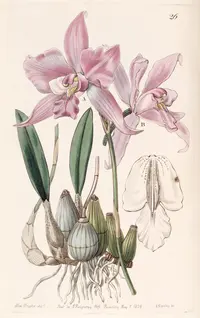
Laelia furfuracea
Laelia furfuracea
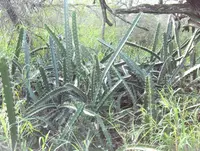
Triangle cactus
Acanthocereus tetragonus
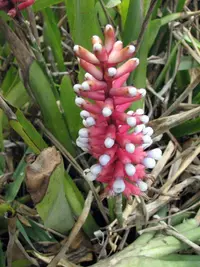
matchstick bromeliad
Aechmea gamosepala
 POPULAR
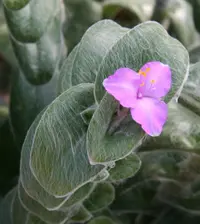
White Velvet
Tradescantia sillamontana
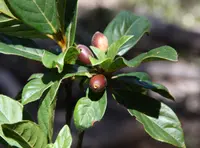
Amaioua guianensis
Amaioua guianensis
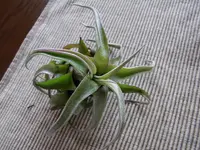
Tillandsia streptophylla
Tillandsia streptophylla
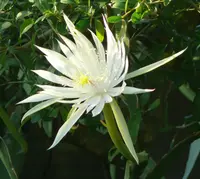
climbing cactus
Epiphyllum hookeri
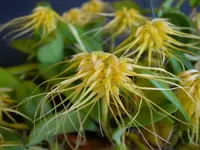
Bulbophyllum vaginatum
Bulbophyllum vaginatum