Ecclinusa guianensis Care

Ecclinusa guianensis

About Ecclinusa guianensis

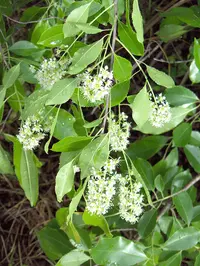
Ecclinusa guianensis is a tropical evergreen tree in the sapodilla family, valued mainly as a timber and wild fruit species rather than a common garden plant. It develops a straight trunk with dense, glossy foliage and can reach considerable height in its native forests.

This species occurs naturally in northern South America, especially in lowland humid forests of the Guianas and nearby regions. It prefers warm, consistently moist conditions and deep, well-drained soils, so growing it outside the tropics is challenging.

For those interested in how to care for Ecclinusa guianensis, it generally requires stable warmth, high humidity, and protection from prolonged drought or cold, which limits its use to specialized collections.

Main Plant Requirements

Care Difficulty

Moderate Care

Light Preference

Partial Shade

Water Requirements

Moderate Water

Temperature Preference

Tropical / Frost Sensitive

Hardiness Zone

Unknown

Soil Texture

Loamy, Sandy, Organic-rich

Soil pH

Acidic (5.5–6.5)

Soil Drainage

Moist but well-drained

Fertilization

Minimal (feed rarely)

Get Personalized Care Plan

Scan your plant to receive care tips personalized for your specific plant

Available on iOS and Android

How to Care for the Ecclinusa guianensis

This tropical tree needs bright, warm conditions with protection from harsh midday sun to grow well.

  • Provide 4–6 hours of direct morning sun or late-afternoon sun, with dappled or filtered light during the strongest midday hours.
  • Ecclinusa guianensis tolerates partial shade, but growth and fruiting decline if it receives less than about 3–4 hours of direct or bright filtered light.
  • In hot summers, reduce leaf scorch risk by using taller plants or shade cloth for midday protection, especially on exposed, west-facing sites.

This species prefers consistently moist, well‑drained soil and reacts poorly to waterlogging.

  • Irrigate when the top 3–5 cm of soil feels slightly dry, applying a slow, deep soak that moistens the root zone without leaving standing water.
  • Use soil rich in organic matter with good drainage; prolonged puddling, sour smell, or soft, yellowing leaves indicate overwatering and poor aeration.
  • During hot, dry periods increase frequency, while in cooler or rainy seasons reduce watering, watching for dull, curling leaves as an underwatering signal.

This rainforest tree thrives in warm, stable climates and is sensitive to cold and frost.

  • Optimal growth occurs around 70–86°F (21–30°C), with steady warmth supporting active root and canopy development.
  • Avoid exposure below 50°F (10°C); foliage and young wood can be damaged near this level, and freezing temperatures cause severe injury or death.
  • Ecclinusa guianensis tolerates short hot spells up to about 95°F (35°C) if soil moisture is maintained and the site has some relief from intense afternoon sun.

This species prefers consistently humid air and reacts poorly to very dry conditions.

  • Aim for 60–80% humidity, which mimics its native rainforest understory conditions.
  • Dry indoor air causes leaf edge browning, curling, and slower growth as typical humidity stress signs.
  • Increase humidity with grouped plants, a nearby humidifier, or a pebble tray that allows evaporation without the pot sitting in water.

This species prefers deep, moisture-retentive but well-drained soil that stays aerated over time.

  • Use a loamy mix with high organic matter, such as 2 parts composted bark or leaf mold, 1 part coarse sand, and 1 part perlite.
  • Ensure drainage is free by avoiding heavy, compacted clay that holds water around the roots for long periods.
  • A slightly acidic pH around 5.5–6.5 suits Ecclinusa guianensis, similar to many tropical forest trees.
  • Improve structure and aeration by incorporating coarse particles (bark chips, perlite) rather than only fine compost or peat.

This species can be grown in containers when young, mainly for nursery or experimental cultivation.

  • Choose a tall, heavy container to stabilize the developing tree and prevent tipping in wind or on balconies.
  • Select a pot material with moderate moisture retention, such as thick plastic or glazed clay, to keep the root zone evenly moist without rapid drying.
  • Use a deep, fast-draining mix and elevate the container slightly so drainage holes never sit in standing water, reducing root suffocation risk.

This species is typically slow-growing and benefits from modest, controlled feeding in cultivation.

  • Use a balanced, slow-release fertilizer (around 10-10-10) or well-aged compost mixed into the topsoil at the start of the warm growing season.
  • Feed container or nursery plants every 8–10 weeks during active growth, avoiding heavy applications that can burn roots.
  • Dilute any liquid feed to 1/2 strength and apply to moist soil, never to dry roots.
  • Reduce or stop fertilization in cooler months when growth slows, as Ecclinusa guianensis uses fewer nutrients then.

Pruning is mainly used to maintain structure and remove weak growth rather than to control size strongly.

  • Carry out light pruning at the end of the dry or cool season, before vigorous new growth begins.
  • Remove dead, diseased, crossing, or storm-damaged branches to improve air flow and reduce infection risk.
  • Thin congested interior shoots to let more light into the crown and encourage balanced branching.
  • Use clean, sharp bypass pruners or a pruning saw, making smooth cuts just outside the branch collar on Ecclinusa guianensis.

In cultivation this tree is usually transplanted from nursery containers to the ground once well established.

  • Plan transplanting for the warm, wet season so roots can reestablish quickly and avoid severe water stress.
  • Look for circling roots at the drain holes or slow, weak growth as signs that a container plant needs a larger pot or planting site.
  • Handle the root ball gently, teasing out tight outer roots and pruning any girdling roots with clean tools.
  • Set the plant at the same soil level, water deeply, apply 5–8 cm of organic mulch, and shade lightly for 1–2 weeks to reduce transplant shock.

Ecclinusa guianensis is mainly propagated from seed, which can be slow and requires stable warm conditions.

  • Sow fresh, cleaned seeds at the start of the warm rainy season, since viability drops as seeds age.
  • Use a deep tray or pots with a loose, well-drained mix and keep humidity high with consistent moisture, not waterlogging.
  • Maintain temperatures around 75–85°F to support germination, which may take several weeks or longer.
  • Provide bright, filtered light for seedlings and transplant only once roots hold the mix firmly.

This tropical tree lacks frost tolerance and needs protection in regions with cool or freezing winters.

  • In frost-free climates, standard mulching and watering practices are usually sufficient winter care for Ecclinusa guianensis.
  • Apply 5–8 cm of organic mulch over the root zone, keeping it slightly away from the trunk to moderate soil temperature.
  • Grow container plants in large pots and move them indoors or into a heated greenhouse before temperatures drop below 50°F.
  • Use frost cloths or similar covers on young outdoor trees during unexpected cold nights to limit tissue damage.

Care Tips

Early structural pruning

In the first 2–3 years, select 3–5 well-spaced main branches and remove competing, crossing, or very low shoots to build a strong open canopy that supports good light penetration and future fruiting wood.

Mulch for root stability

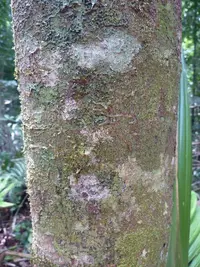
Apply a 5–8 cm layer of coarse organic mulch over the root zone, keeping it 5–8 cm away from the trunk, to moderate soil temperature, maintain moisture, and encourage a wide, fibrous root system.

Wind and stake management

In exposed sites, install a single sturdy stake on the windward side and use soft, adjustable ties, checking twice a year to prevent girdling and to allow the trunk to flex and thicken naturally.

Gradual shade adjustment

When moving nursery plants into brighter field conditions, use temporary shade cloth or interplant with light-filtering species for the first dry season, then reduce shading stepwise to prevent leaf scorch and transplant shock while growing Ecclinusa guianensis.

Preventive fruit sanitation

Remove and destroy any aborted or pest-damaged fruits and leaf litter under the canopy during the wet season to reduce breeding sites for fruit borers and fungal pathogens that can build up around the tree.

Common Pests and Diseases

Leaf miner larvae

This pest tunnels inside young leaves, creating pale, winding trails that can reduce photosynthesis in seedlings and saplings.

Solution

Remove and destroy affected leaves on young plants to reduce the larval population, and encourage natural predators by maintaining diverse surrounding vegetation; in nursery settings, use fine mesh netting over young plants and apply a targeted systemic insecticide only if damage is heavy and persistent.

Sap-sucking scale

These insects attach to stems and the underside of leaves, extracting sap and excreting honeydew that can lead to sooty mold on Ecclinusa guianensis foliage.

Solution

Gently scrub or wipe stems and leaves with a soft cloth dipped in a mild soap solution, prune and destroy heavily infested twigs, and improve light and air movement around the canopy; in long-term orchards or collections, introduce or conserve natural enemies such as lady beetles and parasitic wasps before considering a horticultural oil spray during the dormant or coolest part of the day.

Phytophthora stem canker

This disease causes sunken, dark lesions on lower stems or the root collar, often with gum exudation and gradual canopy decline, especially in poorly drained sites.

Solution

Improve drainage and avoid waterlogged soils, remove and destroy severely affected young plants, and prevent trunk injury; in high-value plantings, apply a phosphonate-based fungicide as a soil drench or trunk treatment according to label directions as part of broader Ecclinusa guianensis care instructions in wet, Phytophthora-prone areas.

Anthracnose leaf spot

This disease produces irregular brown or black spots with possible yellow halos on leaves, and in humid conditions it can cause premature leaf drop on nursery or plantation trees.

Solution

Collect and dispose of fallen leaves, prune to open the canopy for better airflow, and avoid overhead irrigation; if the problem recurs in nursery production, use a preventive copper-based or other labeled fungicide at the start of humid periods, rotating active ingredients to reduce resistance risk.

Interesting Facts

Slow-growing canopy tree

This species is a very slow-growing evergreen tree that can eventually form part of the mid to upper forest canopy in lowland Amazonian rainforests, often remaining in the shaded understory for many years before reaching higher light levels.

Hard, fine-textured wood

The wood is notably hard, dense, and fine-textured, which has led to its local use in South America for small, durable objects and specialty applications rather than large-scale timber production.

Latex-producing sap

Like many members of the Sapotaceae family, it produces a white, latex-rich sap when cut, a trait associated with defense against herbivores and protection of damaged tissues from infection.

Botan icon

Did you know?

This species bears edible fruits with sweet, pulpy flesh that are locally collected and eaten in parts of northern South America, contributing to the diet of both humans and a wide range of forest animals that help disperse its seeds.

FAQs about Ecclinusa guianensis

The fruit of this species is edible and traditionally consumed in parts of northern South America. Only fully ripe fruits should be eaten. Avoid unripe seeds and plant parts, as safety data on those is limited.

Grow Healthy Plants with Botan Care

Keep your plants happy and healthy with plant identification, disease detection, and easy care guidance.

Botan plant care app — identify plants on mobile

Explore More Plants