Santa Cruz cypress Care (Hesperocyparis abramsiana)

About Santa Cruz cypress

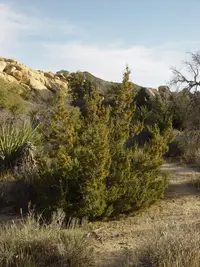
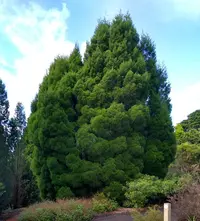
Santa Cruz cypress, Hesperocyparis abramsiana, is a rare, small to medium evergreen tree native to the Santa Cruz Mountains of California. It belongs to a group of cypresses adapted to dry, Mediterranean-type climates.

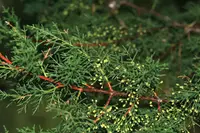
The tree has a narrow, conical crown, dense scale-like foliage, and small woody cones that can persist on the branches. Its bark becomes fibrous and furrowed with age.

This species typically grows on dry, rocky slopes with well-drained, often nutrient-poor soils. It prefers full sun and tolerates seasonal drought once established.

Because it comes from a specialized habitat and does not like poorly drained or heavy soils, it can be moderately challenging to care for Santa Cruz cypress in typical gardens.

Main Plant Requirements

Care Difficulty

Hard Care

Light Preference

Full Sun

Water Requirements

Low Water

Temperature Preference

Cool Climate

Hardiness Zone

7–9

Soil Texture

Sandy, Loamy, Rocky

Soil pH

Slightly acidic (6.5–7.0), Neutral (7.0)

Soil Drainage

Well-drained

Fertilization

Minimal (feed rarely)

Get Personalized Care Plan

Scan your plant to receive care tips personalized for your specific plant

Available on iOS and Android

How to Care for the Santa Cruz cypress

This species needs abundant sun to form dense foliage and maintain healthy growth.

  • Provide 6–8 hours of direct sun daily; in hotter inland areas, prioritize morning sun with light afternoon shade to reduce stress.
  • Allow light or open shade for young Santa Cruz cypress plants, but avoid deep shade, which leads to sparse, weak branching and reduced vigor.
  • In summer, monitor for leaf scorch on exposed, reflected-heat sites; in winter, ensure sites are not permanently shaded by buildings or taller trees.

This conifer prefers evenly moist but fast-draining soil, especially during establishment.

  • Outdoors in the ground, water when the top 3–5 cm of soil feels dry, then soak the root zone deeply and allow excess water to drain away.
  • Reduce frequency in cool, wet seasons, relying more on natural rainfall; increase checks during hot, windy weather when soil dries faster.
  • Watch for overwatering signs such as persistent soggy soil and yellowing foliage, and underwatering signs like dull, browning tips and premature needle drop in Hesperocyparis abramsiana.

This species is adapted to mild, coastal-type climates with limited temperature extremes.

  • Allow active growth in a range around 55–75°F (13–24°C), which supports steady shoot development and root activity.
  • Mature trees can tolerate brief drops near 15–20°F (-9 to -6°C), but young plants are safer above 25°F (-4°C) and benefit from wind protection in cold snaps.
  • In hot spells above 90°F (32°C), combine mulch, good soil moisture, and some afternoon shade to limit heat stress and foliage burn.

This species tolerates a wide humidity range and does not need special humidity control in typical outdoor conditions.

  • Aim for ambient outdoor humidity around 30–60%, avoiding enclosed, stagnant, overly damp microclimates.
  • Dry air is usually tolerated if soil moisture is kept consistent and roots are not allowed to cycle between flooding and complete dryness.
  • Watch for browning or crisping of scale-like foliage tips combined with heat and wind, then provide temporary wind protection or light shade.

Hesperocyparis abramsiana prefers fast-draining, mineral-rich soil that does not stay wet.

  • Use a gritty, sandy or loamy substrate with around 30–50% coarse sand or fine gravel to keep pores open and prevent waterlogging.
  • Maintain slightly acidic to neutral pH, roughly 6.0–7.2, avoiding strongly alkaline substrates that can limit nutrient availability.
  • Mix in a modest amount of well-decomposed compost or fine bark for structure, but avoid heavy, peat-dominant or clay-rich blends that hold prolonged moisture.
  • For heavy native soil, improve drainage by mounding the planting area or raising the bed and blending in coarse mineral aggregate for better aeration.

This conifer can be grown in containers for several years, but it requires careful attention to root space and stability.

  • Choose a tall, heavy container to counter the plant’s upright, wind-catching crown and reduce tipping risk in exposed sites.
  • Use a deep pot that allows a strong taproot-like system to develop, preventing circling roots that later reduce anchorage and drought resilience.
  • Select a porous material such as unglazed clay in wet or cool climates to help moisture escape and keep the root zone from remaining saturated.

This species is adapted to nutrient-poor soils, so Santa Cruz cypress needs only light, careful fertilization in cultivation.

  • Use a balanced slow-release fertilizer (for example 10-10-10) or a thin layer of well-aged compost in early spring.
  • Feed once at the start of the growing season for in-ground plants; container plants may need a second light application in midsummer.
  • Apply at 1/2 strength of label rates to avoid salt buildup and root burn in this nutrient-sensitive conifer.
  • Stop feeding by late summer and do not apply fertilizer in fall or winter to prevent tender, frost-prone growth.

Hesperocyparis abramsiana benefits from light, selective pruning to maintain a stable structure and remove problem growth.

  • Carry out structural pruning in late winter to early spring before active growth begins.
  • Use clean, sharp bypass pruners to remove dead, diseased, or storm-damaged branches back to healthy wood.
  • Thin congested interior shoots slightly to improve airflow and light penetration without cutting into old, bare wood.
  • Limit shaping cuts to young green tips to preserve the natural form and avoid stimulating weak, overly dense growth.

This species is usually grown in the ground, so care focuses on timely transplanting of young trees rather than frequent repotting.

  • Transplant in late winter to early spring while the tree is dormant and soil is workable.
  • Look for roots circling the pot, water running straight through, or stunted growth as signs a nursery plant needs a larger site.
  • Handle the root ball gently, loosening only the outer circling roots to reduce transplant shock in Hesperocyparis abramsiana.
  • Plant at the same depth as in the pot, backfill with native soil, water deeply, and maintain consistent moisture during the first 1–2 growing seasons.

Propagation of this species is possible but somewhat specialized, so it is not commonly attempted by casual home growers.

  • Collect ripe cones and sow seeds in late fall, using a well-drained, sandy mix kept cool and slightly moist.
  • Provide a cold stratification period of 60–90 days if germination is poor, mimicking natural winter conditions.
  • Take semi-hardwood cuttings in late summer, apply rooting hormone, and root under high humidity with bright, indirect light.
  • Expect slow, uneven results and maintain careful records to track the origin of any propagated plants, since this is a rare native tree.

This cypress is relatively cold hardy within its native range and usually needs minimal winter care when planted in suitable climates.

  • Tolerates light to moderate frost once established, provided drainage is excellent and soil does not stay waterlogged.
  • Apply a 5–8 cm mulch layer around the root zone in late fall, keeping it a few cm away from the trunk.
  • For container plants in colder regions, move pots to a sheltered, unheated but frost-sheltered area and monitor soil moisture.

Care Tips

Windfirm training

In the first 3–5 years, prune only competing leaders and lightly thin crowded interior twigs so the trunk develops a single, straight leader that is better able to withstand strong winds as the tree matures.

Root flare protection

When planting or mulching, keep the root flare visible and free of soil or mulch buildup in a 10–15 cm radius to reduce risk of bark rot and improve oxygen access to the upper roots.

Drought hardening

After the establishment period, gradually increase the interval between deep irrigations over 1–2 seasons so the tree develops deeper, more resilient roots rather than shallow, surface‑dependent growth.

Firewise spacing

In fire‑prone areas, maintain at least 3–5 m clearance from buildings and avoid dense shrub plantings directly beneath the canopy to reduce ladder fuels and improve safety when growing Santa Cruz cypress.

Targeted pest scouting

Inspect young foliage and small twigs every 4–6 weeks in spring and early summer for scale insects or bark beetle entry holes so that any infestation can be addressed before significant dieback occurs.

Common Pests and Diseases

Cypress canker

This disease causes dieback of twigs and branches, often starting with yellowing foliage and sunken, resin-soaked lesions on stems. Symptoms include rapid browning of sections of the canopy, especially in plants stressed by heat or drought.

Solution

Prune out infected branches at least 20–30 cm below visible cankers, disinfect pruning tools between cuts, and destroy all removed material. Reduce plant stress with deep but infrequent watering, avoid overhead irrigation, and improve air circulation; in high-value specimens, a local arborist may suggest targeted fungicide use as part of broader Hesperocyparis abramsiana care instructions.

Phytophthora root and collar rot

This disease affects the roots and lower stem, leading to gradual yellowing, thinning foliage, and eventual dieback, especially in poorly drained or compacted soils. Symptoms include dark, discolored bark at the soil line and poor new growth.

Solution

Improve drainage by correcting grading, amending heavy soil, or installing drainage tiles, and avoid frequent shallow watering. Remove severely affected plants and nearby infected soil where practical, and prevent future issues by planting on mounds or raised sites and keeping mulch a few cm away from the trunk base.

Cypress bark beetles

These insects bore into weakened trees, creating tiny entry holes and galleries under the bark that disrupt water flow. Symptoms include localized browning of foliage, scattered dead branches, and small piles of boring dust on the bark or at the base.

Solution

Remove and destroy heavily infested branches or entire severely affected trees to reduce beetle populations and prevent spread. Maintain tree vigor with proper watering during drought, avoid trunk injuries, and consult a certified arborist about trunk sprays or pheromone-based management in areas with repeated attacks.

Spider mites

These pests feed on needles and young foliage, causing a dull, stippled appearance and fine webbing, especially during hot, dry weather. Symptoms include faded, gray-green patches in the canopy and premature needle drop if populations are heavy.

Solution

Increase humidity around small cultivated plants with occasional hosing of foliage, and wash needles thoroughly with a strong but gentle stream of water to remove mites. For persistent infestations, apply insecticidal soap or horticultural oil labeled for conifers, repeating as directed and avoiding application during high heat to prevent foliage damage.

Seiridium canker

This disease produces elongated, dark cankers on branches and stems, often exuding resin, followed by sudden browning of individual branches. Symptoms include scattered dead limbs throughout the canopy rather than uniform decline.

Solution

Prune and destroy affected branches during dry weather, cutting well below the canker, and disinfect tools between cuts. Reduce plant stress with proper watering and avoid high-nitrogen fertilization; in plantings with a history of the disease, favor wider spacing and good airflow to limit spread.

Interesting Facts

Extremely narrow range

This species is naturally restricted to a few small populations in the Santa Cruz Mountains of California, making it one of the most geographically limited conifers in North America.

Serotinous seed cones

Its woody cones are serotinous, meaning many stay closed on the tree for years and open widely after exposure to the heat of wildfire, releasing seeds onto freshly cleared soil.

Fire-dependent regeneration

Successful recruitment of new individuals is closely tied to periodic fire, so long-term fire suppression can reduce natural regeneration and threaten population persistence.

Botan icon

Did you know?

Genetic and morphological studies led to this tree being moved from the genus Cupressus to Hesperocyparis, recognizing it as part of a distinct North American cypress lineage separate from Old World Cupressus species.

FAQs about Santa Cruz cypress

This species grows slowly to moderately, often about 15–30 cm per year once established. Growth is usually slower in exposed, dry, or nutrient-poor sites. Young plants may grow a bit faster under consistently favorable conditions.

Grow Healthy Plants with Botan Care

Keep your plants happy and healthy with plant identification, disease detection, and easy care guidance.

Botan plant care app — identify plants on mobile

Explore More Plants