black monkey orange Care (Strychnos madagascariensis)

Also known as: Hairy-leaved monkey-orange, Spineless Monkey Orange, Hairy Monkey-Orange, Shiny-Leaved Mukwakwa
black monkey orange

About black monkey orange

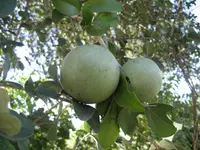
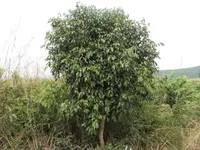
Black monkey orange, Strychnos madagascariensis, is a woody shrub or small tree known for its thick, rough bark and round, hard-shelled yellow fruits. It typically grows in dry woodland and savanna habitats in eastern and southern Africa.

The plant has glossy green leaves and a strong, deep root system that helps it tolerate drought once established. It is slow-growing and not commonly used as a houseplant, so information on how to care for black monkey orange in home settings is limited.

In cultivation it generally prefers warm temperatures, bright light, and well-drained, sandy or loamy soil. Its slow growth and specific climate needs make it better suited to experienced growers or specialized collections.


Main Plant Requirements

Care Difficulty

Moderate Care

Light Preference

Full Sun

Water Requirements

Moderate Water

Temperature Preference

Tropical / Frost Sensitive

Hardiness Zone

10–12

Soil Texture

Sandy, Loamy, Organic-rich

Soil pH

Slightly acidic (6.5–7.0), Neutral (7.0)

Soil Drainage

Well-drained

Fertilization

Minimal (feed rarely)

Get Personalized Care Plan

Scan your plant to receive care tips personalized for your specific plant

Available on iOS and Android

How to Care for the black monkey orange

This sun-loving African shrub or small tree needs strong light to fruit and flower well.

  • Provide 6–8 hours of direct sun daily; full sun suits mature black monkey orange in warm climates.
  • Allow light afternoon shade in very hot regions to limit leaf scorch, especially on young or newly transplanted plants.
  • In winter, ensure unobstructed exposure and avoid dense shade from buildings or trees, which leads to sparse growth and reduced flowering.

This drought-tolerant species prefers deep, infrequent watering rather than constant moisture.

  • In the ground, water only when the top 5–8 cm of soil is dry, then soak the root zone thoroughly and allow it to drain.
  • During hot, dry seasons, watch for dull, curling, or drooping leaves as a cue to water; reduce watering in cool or rainy periods.
  • Use sharply draining, sandy or loamy soil; yellowing leaves, soft stems, or a sour smell around roots indicate overwatering or poor drainage.

This warm-climate species thrives in stable, frost-free conditions.

  • Aim for 70–90°F (21–32°C) for active growth; development slows below about 65°F (18°C).
  • Protect from cold; light damage can occur below 40°F (4°C), and hard frost near 32°F (0°C) may kill young plants or top growth.
  • In hot spells above 95°F (35°C), provide soil mulch and, if possible, light afternoon shade to reduce heat stress and leaf scorch.

This species prefers moderately dry, airy conditions and does not need high humidity.

  • Target 40–60% relative humidity; typical indoor levels suit black monkey orange well.
  • It tolerates short dry-air spells, but very hot, dry rooms can scorch young leaves and slow growth.
  • If air is extremely dry, group plants together or place the pot on a pebble tray with water, keeping the base above the waterline.

This species prefers loose, sandy to sandy-loam soil with sharp drainage.

  • Use a mix of roughly 50–60% coarse sand, 20–30% loam or potting soil, and 10–20% grit or fine gravel to mimic its native, well-drained habitats.
  • Aim for slightly acidic to neutral pH around 6.0–7.0, avoiding strongly acidic or clearly alkaline mixes that can limit nutrient uptake.
  • Improve aeration and drainage by adding coarse sand or pumice rather than fine compost that compacts and holds excess water.
  • Avoid heavy clay, waterlogged spots, or low-lying areas where water stands after rain, as roots are prone to rot in saturated soil.

This species can be grown in containers, especially while young or in cooler climates.

  • Choose a deep, heavy pot that resists tipping as the woody stems thicken and the plant becomes top-heavy.
  • Use a very free-draining, sandy mix in a pot with generous drainage holes to prevent standing water at the base.
  • Select breathable materials like unglazed terracotta if extra evaporation is needed to keep the root zone from staying wet too long.

This dryland tree grows on poor soils, so feeding black monkey orange should stay modest and targeted.

  • During spring–summer, apply a light dressing of well-rotted compost or a low-dose balanced NPK fertilizer around the drip line, not against the trunk.
  • Use a slow-release, low-to-medium strength product at 1/2 label rate to avoid excessive, weak growth.
  • Skip feeding in winter or any dormant period, resuming only once active growth and warmth return.
  • Always water before and after applying fertilizer to limit root burn, especially in containers or sandy soils.

Pruning Strychnos madagascariensis is mainly structural and sanitary, helping maintain a safe, balanced canopy.

  • Carry out main pruning in late winter or very early spring before strong new growth starts.
  • Remove dead, diseased, crossing, or storm-damaged branches first, then thin congested interior shoots for light and airflow.
  • Shorten only overly vigorous or misdirected branches to guide overall shape without heavy topping.
  • Use sharp, clean bypass pruners or a handsaw, making smooth cuts just outside the branch collar to aid healing.

This species is usually grown in the ground, so guidance focuses on transplanting young trees with minimal root stress.

  • Transplant in late spring or early summer once soil is warm and frost risk has passed, avoiding hot, dry spells.
  • Look for roots circling the container, water running straight through, or stalled top growth as signals a nursery plant needs a larger site.
  • Move up only 1–2 pot sizes or into a well-drained planting hole, loosening circling roots gently without tearing the root ball.
  • Water deeply after planting, shade the canopy for 7–10 days if sun is intense, and keep soil evenly moist, not saturated, while new roots establish.

Propagation of Strychnos madagascariensis is usually done from seed and requires warmth and patience.

  • Collect ripe, clean seeds and sow them in late spring–summer in a free-draining, sterile mix kept at 70–80°F.
  • Scarify hard seed coats lightly with sandpaper or a brief soak in warm water to improve germination speed and uniformity.
  • Maintain consistent, light moisture and bright, indirect light; avoid waterlogging, which quickly rots slow-germinating seeds.
  • Once seedlings form several true leaves, pot them individually, handling roots gently to avoid long-term growth setback.

This tropical to subtropical tree dislikes prolonged cold and benefits from simple winter safeguards in cooler areas.

  • In regions near or below freezing, apply a 5–8 cm mulch layer around the root zone, keeping it a few cm from the trunk.
  • Wrap young trunks with breathable frost cloth or horticultural fleece to reduce bark damage during cold snaps.
  • Grow container plants in large pots and move them indoors or into a greenhouse when temperatures approach 35–40°F.

Care Tips

Establish strong framework

In the first 2–3 years, select 3–4 well‑spaced main branches and remove competing shoots early, so the plant develops a sturdy, open framework that can support heavy fruits and allows good light penetration into the canopy.

Use targeted staking

On young specimens grown in windy or exposed sites, use a single sturdy stake tied with soft, flexible ties just above the midpoint of the stem, and loosen or reposition the ties every 6–12 months to avoid girdling as the trunk thickens.

Mulch for root protection

Apply a 5–8 cm ring of coarse organic mulch over the root zone, keeping it 5–8 cm away from the trunk, to buffer soil temperature, reduce weed competition, and encourage deeper, more resilient root growth.

Strategic thinning cuts

After flowering but before fruits enlarge, remove crossing, inward‑growing, or shaded interior branches with clean thinning cuts back to a larger limb to improve airflow, reduce fungal risk, and direct resources to better‑placed fruiting wood when growing black monkey orange.

Monitor and bag fruit

As fruits start to size up, monitor regularly for boring insects or surface damage and, in areas with high pest pressure, use breathable mesh or paper fruit bags on selected fruits to reduce insect attack and sunscald while still allowing air circulation.

Common Pests and Diseases

Fruit-boring larvae

This pest targets developing fruits, tunneling into the pulp and causing premature fruit drop and internal decay. Symptoms include small entry holes, frass (insect droppings), and ruined seeds inside affected fruits.

Solution

Collect and destroy infested fruits promptly to break the life cycle, and avoid leaving fallen fruit on the ground. Use fine mesh bags over developing fruits where practical, and encourage natural predators by maintaining plant diversity around the tree rather than relying on broad-spectrum insecticides.

Scale insects

These insects attach to stems and leaves, sucking sap and weakening the plant over time. Symptoms include small, raised bumps, sticky honeydew on surfaces, and sooty mold growth on leaves and fruit.

Solution

Wipe or gently scrub affected stems and leaves with a soft cloth or brush dipped in mild soapy water, then rinse with clean water. For heavier infestations, apply a targeted horticultural oil or insecticidal soap, ensuring thorough coverage of stems and the undersides of leaves while improving plant vigor through proper watering and light.

Leaf spot

This disease causes small brown to dark spots on leaves, sometimes with yellow halos, which can merge and lead to early leaf drop. Symptoms include thinning foliage and a general decline in leaf quality, especially in humid, shaded conditions.

Solution

Remove and dispose of heavily spotted leaves and any fallen infected foliage around the plant to reduce pathogen spread. Improve air movement and sun exposure where possible, avoid wetting the foliage when watering, and use a copper-based fungicide only if cultural measures fail and disease pressure remains high.

Sooty mold

This disease appears as a black, powdery or velvety coating on leaves and stems, growing on the honeydew excreted by sap-sucking insects like scale. Symptoms include reduced photosynthesis, dull leaf surfaces, and sometimes stunted growth if coverage is heavy.

Solution

Address the underlying insect infestation first through physical removal and targeted soaps or oils, then gently wash affected leaves with water to remove the mold layer. Prune dense inner branches on larger specimens to improve light penetration and airflow, which helps reduce persistent humidity around the foliage.

Interesting Facts

Poisonous pulp, edible seeds

The yellow fruit has a highly toxic pulp containing strychnine-type alkaloids, but the hard seeds are traditionally eaten after careful processing, such as roasting, which reduces toxicity.

Elephant seed dispersal

In parts of eastern and southern Africa, elephants and other large mammals eat the fruits and later excrete the hard seeds intact, helping disperse the species across long distances.

Traditional fish poison

Communities in regions where it grows have long used the crushed toxic fruit pulp as a fish poison in small water bodies, taking advantage of its potent neurotoxic compounds to stun fish.

Botan icon

Did you know?

The pale, hard seeds of this species are naturally polished by water and sand and are widely used as decorative inlay and beads, sometimes traded internationally as curios, despite coming from a highly poisonous fruit.

FAQs about black monkey orange

Growth is slow to moderate. In suitable outdoor conditions, this woody species may add roughly 20–40 cm of height per year, slowing as it matures. Container plants usually grow more slowly due to restricted root space.

Grow Healthy Plants with Botan Care

Keep your plants happy and healthy with plant identification, disease detection, and easy care guidance.

Botan plant care app — identify plants on mobile

Explore More Plants