Wind-hardening seedlings
If starting young plants in a protected spot, gradually expose them to increasing wind over 2–3 weeks so the trunks and petioles strengthen before they face full coastal or open-site conditions.

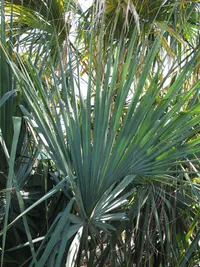
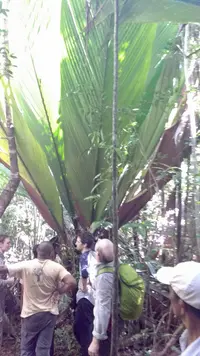
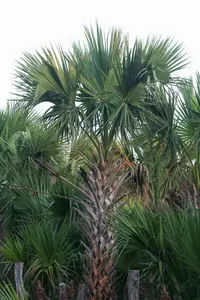
Savannah palm, Sabal mauritiiformis, is a tall, graceful fan palm native to tropical lowlands of Central and northern South America. It often forms a single slender trunk topped with a full, rounded crown of large, pleated fronds.
In nature it grows in warm, humid areas, often near coastal plains and river valleys. The species is relatively slow to moderate in growth and can become large over time, so it suits spacious gardens more than tight urban spaces.
It is generally considered hardy and forgiving once established, which makes it attractive for those learning how to care for Savannah palm. It prefers bright light, consistent moisture, and well-drained soil, especially in frost-free climates.

Care Difficulty
Moderate Care

Light Preference
Full Sun

Water Requirements
Regular Water

Temperature Preference
Tropical / Frost Sensitive

Hardiness Zone
10–11

Soil Texture
Sandy, Loamy, Organic-rich

Soil pH
Acidic (5.5–6.5), Slightly acidic (6.5–7.0)

Soil Drainage
Moist but well-drained

Fertilization
Minimal (feed rarely)
Scan your plant to receive care tips personalized for your specific plant
Available on iOS and Android
This species prefers bright, warm conditions with protection from harsh midday sun.
This palm prefers evenly moist but not saturated soil, especially during active growth.
This palm thrives in consistently warm, frost-free climates.
This palm tolerates a wide humidity range but grows best in moderately humid air.
Provide deep, well-drained but moisture-retentive soil to support the extensive root system.
This species can be grown in large containers for many years, especially while young.
This palm responds to light, steady feeding during the warm growing season.
Pruning needs for Sabal mauritiiformis are modest and mainly focused on hygiene and safety.
This palm is usually grown in the ground, so focus on careful transplanting of young plants rather than frequent repotting.
New Sabal mauritiiformis plants are produced almost exclusively from seeds, which require warmth and patience.
This tropical palm has low frost tolerance and benefits from targeted winter protection outside frost-free climates.

Plant Health Check
Not sure what's wrong with your plant? Check your plant's health inside the app.
This species naturally occurs in lowland humid savannas and seasonally flooded plains from southern Mexico through northern South America, where it tolerates both high rainfall and short periods of standing water.
Mature plants can form tall, relatively thin, columnar trunks topped with a compact crown of fan-shaped leaves, giving a markedly more slender profile than many other fan palms from the same genus.
Its leaves are large, fan-shaped, and strongly costapalmate, meaning the central rib extends into the blade, with many segments that often droop gracefully at the tips, which helps shed excess water in heavy tropical rains.

In parts of its native range, this palm is widely used as a thatching resource, with its durable, broad leaf segments traditionally woven into long-lasting roof coverings for rural houses and shelters.
Growth is moderate. In warm, frost-free climates it usually adds about 15–30 cm in trunk height per year after establishment. Expect 8–12 years to develop a clearly visible trunk under good conditions.
Keep your plants happy and healthy with plant identification, disease detection, and easy care guidance.


%20-%20Copy-200x143.webp)