Chinese golden-larch Care (Pseudolarix amabilis)

Also known as: Golden-larch
Chinese golden-larch

About Chinese golden-larch

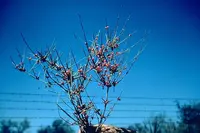
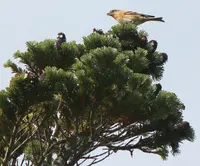
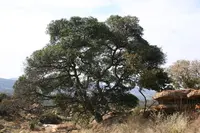
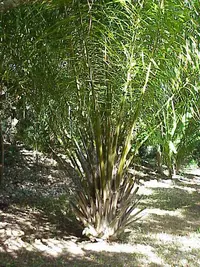
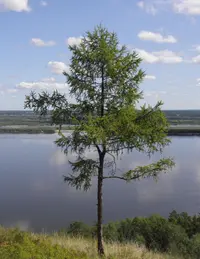
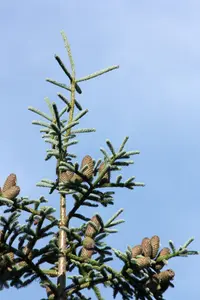
Chinese golden-larch, Pseudolarix amabilis, is a deciduous conifer valued for its soft needles and striking golden fall color. It forms a small to medium tree with a graceful, open branching structure and tiered, layered look.

This species is native to eastern China, where it grows in mountainous forests. Its slow to moderate growth and seasonal needle drop make it better suited to outdoor planting or bonsai than to typical indoor use.

The tree prefers sun, even moisture, and well-drained, slightly acidic soil. Once basic needs are understood, it is not difficult to care for Chinese golden-larch in suitable climates.

Main Plant Requirements

Care Difficulty

Moderate Care

Light Preference

Full Sun

Water Requirements

Regular Water

Temperature Preference

Cold Hardy

Hardiness Zone

5–8

Soil Texture

Loamy, Sandy, Organic-rich

Soil pH

Acidic (5.5–6.5), Slightly acidic (6.5–7.0)

Soil Drainage

Moist but well-drained

Fertilization

Minimal (feed rarely)

Get Personalized Care Plan

Scan your plant to receive care tips personalized for your specific plant

Available on iOS and Android

How to Care for the Chinese golden-larch

This deciduous conifer thrives in bright outdoor conditions with a balance of direct sun and protection from extremes.

  • Aim for 4–6 hours of direct sun daily, ideally gentle morning sun with light afternoon shade, especially in hotter regions.
  • Young Chinese golden-larch trees benefit from dappled or filtered light to reduce needle scorch, while established trees tolerate more open sun exposure.
  • In summer, monitor for yellowing or scorched needles as a sign of excessive sun; in shade, sparse growth and elongated shoots indicate insufficient light.

This species prefers steadily moist, well-drained soil and reacts quickly to extremes of drought or saturation.

  • Water when the top 3–5 cm of soil feels slightly dry, allowing moisture to penetrate deeply rather than applying shallow splashes.
  • During active growth in spring and summer, increase watering frequency, then reduce in autumn and winter while preventing the root zone from fully drying out.
  • For Pseudolarix amabilis, drooping or browning needles suggest underwatering, while persistent wet soil, blackened roots, or yellowing needles often signal overwatering or poor drainage.

This hardy conifer tolerates cold winters but grows best in moderate, stable temperatures during the growing season.

  • Provide main growing-season temperatures around 60–77°F (16–25°C), which support steady shoot and needle development without stress.
  • Mature trees tolerate winter lows near -10°F (-23°C) once established, but young plants benefit from protection when temperatures drop below 15°F (-9°C).
  • In hot summers above 86°F (30°C), offer soil mulching and some afternoon shade to limit heat stress, while avoiding rapid freeze–thaw cycles that can damage roots and bark.

This deciduous conifer prefers moderate outdoor humidity but adapts to a fairly wide range.

  • Aim for 40–60% humidity; the tree tolerates brief dips lower if soil moisture is consistent.
  • Dry, hot winds can desiccate needles, so provide wind protection in exposed sites.
  • Humidity stress shows as browning needle tips and edge scorch; in dry climates, group plants or use nearby mulched beds to slightly raise local humidity.

This species prefers deep, moist, well-drained, slightly acidic mineral soil.

  • Use a loamy mix with 40–60% mineral topsoil, 20–30% compost, and 10–20% sharp sand to balance water retention and drainage.
  • Aim for pH 5.0–6.5; avoid strongly alkaline soils, which can reduce nutrient availability and cause chlorosis.
  • In heavy clay, improve structure and aeration by incorporating coarse sand or fine gravel plus well-rotted compost through the top 25–30 cm.
  • Pseudolarix amabilis is sensitive to waterlogging, so avoid compacted sites, standing water, or mixes dominated by peat that stay saturated.

This tree can be grown in containers for many years, especially in bonsai-style culture.

  • Choose a wide, heavy container to counterbalance the developing woody canopy and resist tipping in strong winds.
  • Use a deep pot to allow a stable taproot and fine root system, preventing the plant from drying out too quickly between waterings.
  • Select a porous pot material such as unglazed clay if extra evaporation is needed, or a thicker-walled container in hot regions to reduce root overheating.

Pseudolarix amabilis benefits from modest, well-timed feeding during the active growing season.

  • Use a balanced NPK fertilizer (such as 10-10-10) or a mild slow-release tree formula for container or young Chinese golden-larch plants.
  • Feed every 4–6 weeks in spring and early summer, then stop by late summer to allow wood to harden.
  • Apply at half the label strength on moist soil to reduce root burn risk.
  • Avoid feeding during fall and winter dormancy, except for a very light compost top-dress if soil is poor.

Pruning Pseudolarix amabilis focuses on safety, structure, and light access rather than heavy shaping.

  • Carry out structural pruning in late winter or very early spring before bud break.
  • Remove dead, diseased, damaged, or crossing branches, cutting back to a healthy lateral or just outside the branch collar.
  • Thin crowded interior twigs to improve airflow and light penetration without over-opening the canopy.
  • Use clean, sharp bypass pruners or a pruning saw, making smooth cuts to support steady wound closure.

This species is usually grown in the ground; container plants or bonsai need infrequent but careful root disturbance.

  • Plan major transplanting or repotting in early spring before new growth starts, about every 3–5 years for container specimens.
  • Look for roots circling the pot, water running straight through, or slowed growth as signs the plant is pot-bound.
  • Slip the root ball out gently, loosen circling roots, and trim only lightly to limit stress, then replant at the same soil depth.
  • Water thoroughly after planting, shade from strong sun for 1–2 weeks, and keep soil evenly moist while new roots establish.

Propagation of Pseudolarix amabilis is usually done from seed and is considered slow but reliable with proper conditions.

  • Collect ripe cones in late autumn, extract seeds, and store cool and dry until stratification.
  • Provide cold stratification at about 34–41°F for 8–12 weeks to break seed dormancy.
  • Sow in a free-draining, slightly acidic mix, cover lightly, and keep at 60–70°F with consistent moisture.
  • Position trays in bright, indirect light and ventilate well to reduce damping-off, a fungal disease that kills seedlings at soil level.

This deciduous conifer is quite cold hardy and usually needs only minimal winter care in the ground.

  • Tolerates substantial frost once established, though young container plants are more vulnerable.
  • Apply a 5–8 cm mulch layer around the root zone in late fall, keeping it away from the trunk base.
  • For pots, move containers to a sheltered, unheated but frost-moderated spot or heel them into soil to buffer root freezing.

Care Tips

Root flare check

At planting and every few years, gently expose the upper roots so the trunk flare sits just above soil level, which reduces risk of rot and encourages stable anchoring in wind.

Seasonal container shift

If grown in a large container, rotate the pot 90° every 2–3 weeks during the growing season and move it to a more sheltered spot before autumn storms to promote even crown development and prevent wind damage.

Winter bud protection

In colder regions, apply a 5–8 cm mulch ring around but not touching the trunk and use a breathable windbreak on the windward side to protect delicate winter buds from desiccating winds.

Structured branch training

While shoots are still flexible, selectively stake or tie young lateral branches to open the canopy and create a stable tiered structure, which reduces future branch breakage under snow or heavy rain.

Long-term site planning

When caring for Chinese golden-larch, leave clear vertical space and avoid overhead wires or close building walls so the tree can form its natural broad, conical crown without needing severe corrective pruning later.

Common Pests and Diseases

Needle cast

This disease causes premature yellowing and browning of older needles, followed by shedding from the inner parts of the shoots. Symptoms include thinned foliage and bare interior branches while tips may remain green for some time.

Solution

Remove and discard fallen needles and visibly infected shoots to reduce fungal spores, and maintain good spacing and airflow around the tree. Avoid overhead watering, keep foliage dry when possible, and if the problem persists, apply a registered fungicide for conifers in early spring as new needles emerge, following label directions carefully.

Canker disease

This disease leads to sunken, discolored patches on branches or the trunk, often with resin bleeding and dieback of shoots beyond the affected area. Symptoms include sudden browning of sections of foliage on otherwise healthy trees.

Solution

Prune out affected branches several inches below visible cankers during dry weather, disinfecting tools between cuts, and dispose of prunings away from the planting area. Reduce plant stress by watering deeply during dry periods, mulching the root zone, and avoiding trunk injuries; in severe cases on young trees, removal may be the most reliable way to protect nearby conifers.

Scale insects

These insects appear as small, immobile bumps on needles and twigs and feed on sap, causing localized yellowing, reduced vigor, and sticky honeydew deposits. This pest can weaken trees over time and may encourage sooty mold growth on surfaces below the canopy.

Solution

Prune and discard heavily infested twigs, then target the vulnerable crawler stage with a labeled horticultural oil or insecticidal soap, making sure to wet the bark and needle bases thoroughly. For large or older trees where coverage is difficult, a certified arborist can apply systemic treatments if the infestation is severe.

Spider mites

These insects are tiny sap-feeding arachnids that cause fine stippling, a dull or grayish cast on needles, and in heavy infestations, fine webbing between needles and along shoots. Symptoms include premature needle drop and overall loss of color during hot, dry weather.

Solution

Spray foliage thoroughly with a strong stream of water to knock mites off the needles and reduce populations, focusing on the undersides and interior canopy. Maintain even soil moisture, avoid drought stress, and if needed, use a miticide or horticultural oil labeled for conifers, applying in cooler parts of the day to minimize needle burn.

Aphids

These insects cluster on tender shoots and the bases of young needles, sucking sap and sometimes causing distorted growth and sticky honeydew. This pest can attract ants and promote black sooty mold on nearby surfaces, especially in sheltered planting sites.

Solution

Rinse colonies off new growth with a firm stream of water and encourage natural predators such as lady beetles by avoiding broad-spectrum insecticides. If populations remain high, spot-treat with insecticidal soap or a light horticultural oil, coating all sides of the infested shoots while temperatures are moderate.

Interesting Facts

Deciduous conifer habit

This species is a conifer that sheds its needles each autumn, turning a clear golden-yellow before dropping, which is unusual among conifers commonly grown in cultivation.

Relict from ancient floras

Fossil evidence shows that this species once had a much wider distribution in the Northern Hemisphere, and surviving populations in eastern China are considered relicts of ancient temperate forests.

Distinctive cone structure

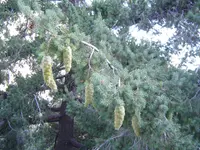
Its seed cones mature and then disintegrate on the branch, releasing scales and seeds individually, a cone behavior more typical of some firs than of most other ornamental conifers.

Botan icon

Did you know?

This species is so distinct morphologically and genetically from other conifers that it is placed in its own monotypic genus, meaning it is the only living representative of Pseudolarix.

FAQs about Chinese golden-larch

Seasonal golden-yellow foliage in autumn is normal. Out-of-season yellowing usually indicates root stress from poor drainage, waterlogging, compacted soil, or recent transplanting. Check for soggy soil, improve drainage, and avoid heavy fertilizing while the tree is stressed.

Grow Healthy Plants with Botan Care

Keep your plants happy and healthy with plant identification, disease detection, and easy care guidance.

Botan plant care app — identify plants on mobile

Explore More Plants