Dahurian Larch Care (Larix gmelinii)

Also known as: Gmelin larch
Dahurian Larch

About Dahurian Larch

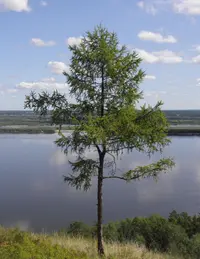
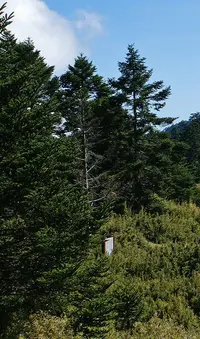
Dahurian larch, Larix gmelinii, is a cold-hardy deciduous conifer native to eastern Siberia, northeastern China, and northern Mongolia. It forms tall, upright trees with a narrow crown in youth that broadens with age.

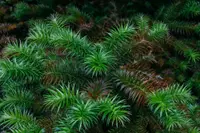
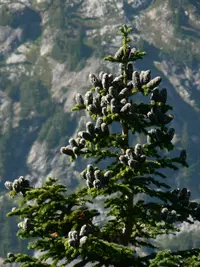
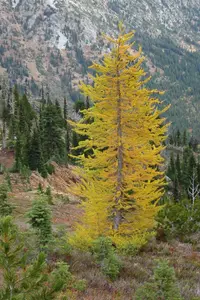
Soft, bright green needles emerge in dense clusters along the shoots and turn golden yellow before dropping in autumn, leaving small woody cones on bare branches. Bark becomes thick and furrowed on older trees, helping the species tolerate harsh climates.

This larch prefers full sun, cool conditions, and well-drained, slightly acidic soil. Understanding how to care for Dahurian Larch mainly involves providing enough light and avoiding waterlogged or compacted ground.


Main Plant Requirements

Care Difficulty

Moderate Care

Light Preference

Full Sun

Water Requirements

Regular Water

Temperature Preference

Cold Hardy

Hardiness Zone

1–5

Soil Texture

Sandy, Loamy, Silty

Soil pH

Strongly acidic (4.5–5.5), Acidic (5.5–6.5)

Soil Drainage

Moist but well-drained

Fertilization

Minimal (feed rarely)

Get Personalized Care Plan

Scan your plant to receive care tips personalized for your specific plant

Available on iOS and Android

How to Care for the Dahurian Larch

This cold-climate conifer needs strong outdoor light to develop dense, healthy foliage.

  • Provide full sun for 6–10 hours per day; Dahurian Larch forms tighter growth and better color in open, unshaded sites.
  • It tolerates light partial shade (3–4 hours direct sun) but expect looser branching and less intense autumn color.
  • Avoid planting where tall buildings or trees cast prolonged shade in winter, which can weaken buds and reduce next season’s shoot growth.

This species prefers consistently moist but not saturated soil, especially while establishing.

  • In the ground, allow the top 3–5 cm of soil to dry slightly, then water deeply so moisture reaches the main root zone.
  • During hot, dry spells, increase watering frequency and check that soil does not become powder-dry, which causes needle drop and browning tips on Larix gmelinii.
  • Ensure soil drains freely; persistent puddling, sour smell, or blackened roots indicate overwatering and risk of root rot.

This hardy conifer is adapted to very cold climates but still benefits from stable seasonal temperature patterns.

  • Active growth is strongest around 55–70°F (13–21°C), typical of cool spring and early summer conditions.
  • Established trees tolerate extreme cold down to about -40°F (-40°C), and natural winter chilling is required for proper dormancy and bud break.
  • Heat above 85°F (29°C), especially with dry wind, can stress foliage, so maintain soil moisture and, if possible, provide some shelter from reflected heat.

This cold-climate conifer handles a wide humidity range and usually does not need special humidity management outdoors.

  • Performs well in 30–60% humidity, as long as soil moisture is appropriate for the season.
  • Tolerates relatively dry air but suffers if roots dry out while air is warm and windy.
  • Humidity stress shows as browning, brittle needles on exposed tips rather than soft, flexible shedding.
  • In exposed sites, use windbreaks and maintain consistent soil moisture to offset drying air.

Larix gmelinii prefers cool, moist, well-drained mineral soils that stay aerated yet never waterlogged.

  • Use a loamy or sandy-loam structure with 20–30% coarse sand or fine gravel to keep pores open and prevent compaction.
  • Aim for slightly acidic to neutral conditions (pH 5.5–7.0); avoid strongly alkaline or saline soils that restrict nutrient uptake.
  • Incorporate modest amounts of well-rotted compost or leaf mold into the top 15–20 cm to boost organic matter without making the soil heavy.
  • On poorly drained sites, raise the planting area into a low mound or berm to improve drainage and protect roots from standing water.

This species can be grown in containers when young, mainly for bonsai or temporary cultivation rather than long-term patio display.

  • Choose a deep, heavy container that resists tipping as the crown enlarges and withstands freeze–thaw cycles without cracking.
  • Use a fast-draining, mineral-heavy mix (for example, akadama or pumice with some composted bark) to prevent chronic root wetness.
  • Elevate the pot slightly on feet or blocks so drainage holes stay clear and winter meltwater does not pool around the base.

This cold-hardy conifer grows well in lean soils, so Dahurian Larch benefits from only modest, targeted feeding in cultivation.

  • Use a balanced, slow-release fertilizer (for example 10-10-10) or a thin layer of compost in early spring as new growth begins.
  • Apply once per year in the ground; container-grown trees may need light feeding 2–3 times during the growing season.
  • Use fertilizer at half the label strength to avoid excess salts and overly lush, weak growth.
  • Stop feeding in late summer and do not fertilize during winter dormancy.

Larix gmelinii needs only light structural pruning to maintain health and a natural form.

  • Schedule pruning in late winter or very early spring while the tree is still dormant.
  • Remove dead, diseased, storm-damaged, or crossing branches first to reduce stress and improve airflow.
  • Thin crowded interior shoots sparingly to let light into the canopy without creating large gaps.
  • Use sharp bypass pruners or a clean pruning saw, making cuts just outside the branch collar.

This species is usually grown in the ground, so focus on careful transplanting rather than frequent repotting.

  • Transplant in early spring or early fall when temperatures are mild and soil is workable.
  • Look for signs such as circling roots, root-bound containers, or slowed growth in potted young trees.
  • Move the tree with an intact root ball, disturbing roots as little as possible and planting at the same depth.
  • Water deeply after transplanting, then keep soil evenly moist and shade the tree lightly for 1–2 weeks to reduce stress.

Larix gmelinii is mainly propagated from seed, with vegetative methods used less often in home settings.

  • Collect ripe cones in late summer to autumn, then dry and extract seeds for storage.
  • Provide cold stratification at about 34–41°F for 60–90 days to break seed dormancy.
  • Sow seeds in early spring in a free-draining, slightly acidic mix, just barely covered with substrate.
  • Keep the medium evenly moist, cool, and bright; protect emerging seedlings from drought and strong midday sun.

This deciduous conifer is extremely cold hardy and usually needs minimal winter care in the ground.

  • In exposed sites, add a 5–8 cm layer of mulch around the root zone, keeping it clear of the trunk.
  • Container-grown trees can be moved into an unheated, sheltered area to limit freeze–thaw stress on roots.
  • Water containers sparingly during mild winter spells so the root ball does not dry out completely.

Care Tips

Protect young trunks

Install light-colored tree guards or wrap burlap loosely around the lower trunk of young trees in late fall to prevent sunscald and rodent damage through winter, then remove these protections in early spring to avoid moisture buildup against the bark.

Encourage strong leader

Inspect the main central shoot each spring and, if wind or snow has bent or split the top, stake a single upright shoot as the new leader and prune competing vertical shoots to maintain a stable, pyramidal structure.

Manage snow load

In regions with heavy, wet snow, gently brush accumulated snow off branches with a soft broom, working from the trunk outward and from lower to higher branches to reduce breakage on flexible, drooping shoots.

Plan for root spread

Keep at least a 1.5–2 m radius around the trunk free of turf and large competing shrubs, using a breathable mulch ring instead, to reduce root competition and make long-term caring for Dahurian Larch more efficient.

Monitor needle drop

Mark the expected autumn needle-drop period on a calendar and compare yearly timing and intensity; a sudden, early, or patchy yellowing outside the usual period can signal root stress, waterlogging, or pest problems that need prompt investigation.

Common Pests and Diseases

Larch casebearer

This pest is a small moth whose larvae mine and feed inside larch needles, causing browning, premature needle drop, and thinning crowns. Symptoms include sparse foliage and branch tips that look scorched by late spring or early summer.

Solution

Prune out and destroy heavily infested branch tips in late winter before larvae become active, and rake up fallen needles to reduce overwintering stages. In larger trees or repeated severe infestations, a targeted application of a Bacillus thuringiensis (Bt) product timed to larval emergence in spring can help, ideally guided by local forestry or extension service advice.

Larch sawfly

These insects are wasp-like in the adult stage, but their larvae resemble small green caterpillars that feed in groups on needles, often stripping branches. This pest causes rapid defoliation in late spring to early summer, which can weaken trees over time.

Solution

Hand-pick larvae from reachable branches and remove infested twigs when populations are light, and destroy them in sealed bags. For heavier infestations, use a horticultural soap or spinosad-based spray directed at larvae, applied thoroughly to foliage and repeated as label directions indicate, focusing on the period when young larvae first appear.

Larch needle cast

This disease is caused by several fungi that infect needles, leading to yellowing, browning, and early needle drop, usually starting on lower branches. Symptoms include thin, patchy foliage and sometimes tiny dark fruiting bodies on dead needles.

Solution

Improve air movement around the tree by avoiding crowding and, where possible, pruning nearby dense vegetation, and always collect and remove fallen needles to lower fungal spore levels. In regions where this disease is common and damage is severe, copper-based or other labeled fungicides may be used preventively in spring as new needles emerge, following local Larix gmelinii care instructions and product labels.

Larch canker

This disease forms sunken, dead areas on branches or stems, often with resin ooze and cracking bark, which can girdle and kill affected sections. Symptoms include dieback of branch tips beyond the canker and small, discolored patches that enlarge over time.

Solution

Prune out infected branches several inches below visible cankers during dry weather, disinfecting tools between cuts with alcohol or a 10% bleach solution, and dispose of prunings away from the planting area. Maintain tree vigor with proper watering and avoid trunk injuries, since stressed or wounded trees are more likely to become infected.

Larch aphids

These insects are soft-bodied sap feeders that cluster on young shoots and needles, causing curling, yellowing, and sticky honeydew that can lead to sooty mold on branches. This pest can slow new growth and attract ants that tend the aphids.

Solution

Spray affected shoots with a strong stream of water to knock aphids off, repeating every few days as needed, and encourage natural predators like lady beetles by avoiding broad-spectrum insecticides. For persistent infestations, apply a horticultural oil or insecticidal soap thoroughly to the undersides of needles and shoots, following label directions and treating during cooler parts of the day to avoid foliage stress.

Interesting Facts

Dominant in larch taiga

This species forms vast pure stands across eastern Siberia and northeastern China, creating a characteristic larch taiga forest type on permafrost landscapes where few other tree species can compete.

Permafrost root adaptation

Larix gmelinii typically develops a shallow, spreading root system concentrated in the seasonally thawed active layer above permafrost, allowing it to survive in waterlogged, frozen soils that exclude many other trees.

Cold and drought tolerance

This larch shows exceptional hardiness to extreme winter cold and seasonal drought, with needles that are shed each autumn to reduce water loss and avoid freeze damage in its severe continental climate.

Botan icon

Did you know?

Fossil and pollen records show that Larix gmelinii has persisted in Siberian regions since at least the late Pleistocene, meaning it endured repeated ice-age cycles while remaining a key component of high-latitude forest ecosystems.

FAQs about Dahurian Larch

This species is a deciduous conifer, so it naturally drops all its needles in fall after turning golden yellow. Bare branches in winter are normal and not a sign of poor health or incorrect care.

Grow Healthy Plants with Botan Care

Keep your plants happy and healthy with plant identification, disease detection, and easy care guidance.

Botan plant care app — identify plants on mobile

Explore More Plants