Wind-firm training
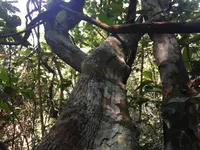
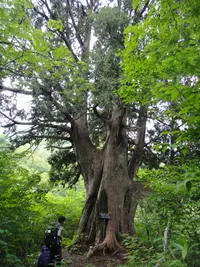
In the first 3–5 years, prune lightly to maintain a single strong leader and remove narrow V-shaped crotches so the tree develops a wind-resistant structure suited to exposed, wet sites.

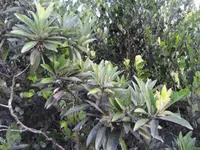
Swamp bay, Persea palustris, is an evergreen tree in the laurel family, related to culinary bay laurel and avocado. It typically grows with a straight trunk and dense, glossy foliage. Leaves are aromatic when crushed and the tree produces small, dark fruits that attract wildlife.
This species is native to wetlands and moist woods in the southeastern United States, especially along coastal plains. It adapts best to consistently damp, acidic soils and tolerates seasonal flooding.
For home landscapes, it suits larger gardens rather than small spaces, since it can become a medium to large tree. Those who care for swamp bay should note its need for moist soil and sun to light shade to keep growth healthy and stable.

Care Difficulty
Moderate Care

Light Preference
Full Sun

Water Requirements
Keep Soil Moist

Temperature Preference
Warm Climate

Hardiness Zone
7–10

Soil Texture
Sandy, Loamy, Organic-rich

Soil pH
Strongly acidic (4.5–5.5), Acidic (5.5–6.5)

Soil Drainage
Waterlogged tolerant

Fertilization
Minimal (feed rarely)
Scan your plant to receive care tips personalized for your specific plant
Available on iOS and Android
Persea palustris prefers bright outdoor conditions that mimic its native wetland edges.
This species is adapted to moist, often seasonally wet sites and dislikes drying out fully.
This wetland tree prefers warm, humid climates with mild winters and tolerates a moderate temperature range.
This species prefers moderately humid air but generally tolerates typical home conditions.
This wetland tree prefers consistently moist, aerated soil with plenty of organic matter.
This species can be grown in containers when young or kept small, provided the pot is chosen for moisture control and stability.
This native tree usually needs little feeding in the ground, but light, targeted fertilization can support young or container-grown swamp bay.
Persea palustris benefits from light, purposeful pruning to maintain a healthy, stable crown.
This species is usually grown in the ground, so management focuses on transplanting field or container-grown young trees.
Persea palustris is most often propagated from seed, which requires patience and specific conditions.
This tree is generally cold hardy in its native range and needs minimal winter attention once established.

Plant Health Check
Not sure what's wrong with your plant? Check your plant's health inside the app.
This swamp bay is native to the coastal plain of the southeastern United States, where it grows in wet pine flatwoods, bayheads, and swamp margins, often forming part of dense evergreen thickets.
Its small, dark blue to nearly black drupes are an important food for birds and mammals, which in turn help disperse its seeds through these wetland habitats.
This species is highly susceptible to laurel wilt, a vascular disease caused by the fungus Raffaelea lauricola carried by the redbay ambrosia beetle, and populations have declined in some areas as a result.

Leaves of swamp bay are aromatic when crushed and have been used locally as a bay-like seasoning, although they are distinct from the true bay leaf Laurus nobilis and have a different, typically stronger fragrance.
Growth is moderate. Young plants often add about 30–60 cm per year under warm, moist, fertile conditions. Once established, the rate slows as it approaches tree size. Poor drainage, drought, or nutrient deficiency noticeably reduce growth.
Keep your plants happy and healthy with plant identification, disease detection, and easy care guidance.