Windward staking
In very windy sites, stake young trees on the windward side for the first 1–2 years to prevent root rock and ensure the trunk develops a straight, stable leader.

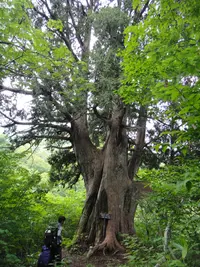
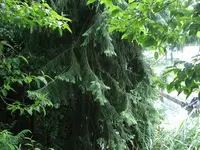
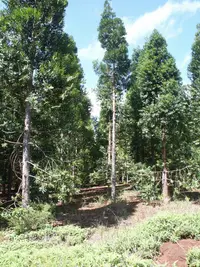
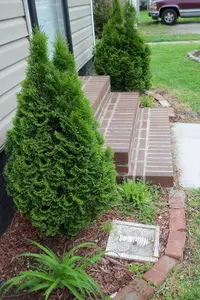
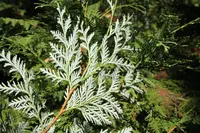
Japanese arbor-vitae (Thuja standishii) is an evergreen conifer from Japan, valued for its dense, upright habit and soft, aromatic foliage. It typically forms a tall, narrow tree with flattened sprays of scale-like leaves and small, woody cones.
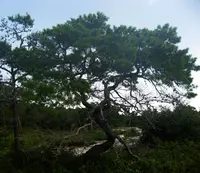
In its native range, it grows in cool, moist mountain forests, which shapes its preference for temperate climates and consistent moisture. Once established, it is reasonably tolerant of cold and wind, which makes it useful as a screen or windbreak.
This species prefers well-drained, slightly acidic soil and benefits from regular water during dry spells. Understanding these natural conditions helps guide how to care for Japanese Arbor-vitae in gardens and landscapes.

Care Difficulty
Moderate Care

Light Preference
Full Sun

Water Requirements
Moderate Water

Temperature Preference
Cold Hardy

Hardiness Zone
5–8

Soil Texture
Sandy, Loamy, Clay

Soil pH
Acidic (5.5–6.5), Slightly acidic (6.5–7.0)

Soil Drainage
Moist but well-drained

Fertilization
Minimal (feed rarely)
Scan your plant to receive care tips personalized for your specific plant
Available on iOS and Android
Thuja standishii grows best with consistent light that supports dense, healthy foliage.
Thuja standishii prefers evenly moist, well-drained soil, especially during establishment.
This species is a cold-hardy conifer that tolerates a wide temperature range once established.
This species tolerates a wide humidity range and usually does not need special humidity management outdoors.
Thuja standishii prefers moist, well-aerated, moderately fertile ground with reliable drainage.
This conifer can be grown in large containers if the pot provides depth, stability, and free drainage.
Thuja standishii responds well to modest, balanced nutrition but does not need heavy feeding.
Thuja standishii benefits from light, timely pruning to maintain a dense, healthy form.
Transplanting Thuja standishii is more common than repotting, since this species is usually grown in the ground.
Thuja standishii is most often propagated from semi-hardwood cuttings rather than seed for consistent traits.
Thuja standishii is generally cold hardy but benefits from basic winter care in exposed sites.

Plant Health Check
Not sure what's wrong with your plant? Check your plant's health inside the app.
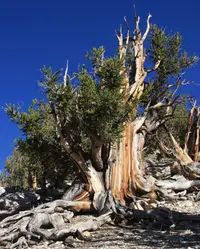
This species occurs naturally only in central Japan, mainly on Honshu and Shikoku, where it forms part of cool, moist montane forests. It often grows with other conifers such as Cryptomeria japonica and Chamaecyparis obtusa, contributing to layered mixed stands.
Crushed scale-like leaves release a distinct resinous scent due to essential oils stored in specialized leaf glands. These aromatic compounds help defend the plant against some insect herbivores and fungal pathogens.
The straight trunk and relatively light, workable wood have made this tree useful in Japan for construction, joinery, and rural structures. Its wood is valued for being moderately durable, easy to process, and having a pleasant scent when freshly cut.

This species has been widely used in breeding programs outside Japan to develop cold-hardy, ornamental arborvitae cultivars, because it combines good frost tolerance with an attractive, naturally dense crown.
This conifer is evergreen and retains foliage year-round, though older inner scales naturally shed. Color may dull slightly in winter, especially in colder climates, but the plant does not drop leaves seasonally like deciduous species.
Keep your plants happy and healthy with plant identification, disease detection, and easy care guidance.