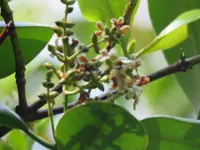
river sheoak Care (Casuarina cunninghamiana)

Also known as: river-oak casuarina, Beefwood, Horsetail Tree
river sheoak

About river sheoak

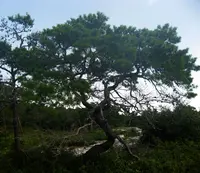
River sheoak (Casuarina cunninghamiana) is a fast-growing evergreen tree native to riverbanks and floodplains in Australia. It is often used as a windbreak or erosion-control tree in suitable climates.

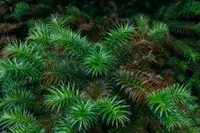
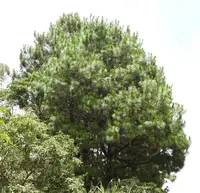
The tree has fine, needle-like branchlets that give it a soft, feathery look, and a tall, narrow crown. Its woody cones and textured bark add visual interest in larger landscapes.

This species tolerates poor, sandy, or gravelly soils and seasonal flooding, but needs good light and space for its deep roots. It suits coastal and riverside plantings more than small urban yards.

Because it is hardy and adaptable once established, it can be straightforward to care for river sheoak in appropriate climates, provided it receives sun and access to consistent moisture while young.

Main Plant Requirements

Care Difficulty

Moderate Care

Light Preference

Full Sun

Water Requirements

Moderate Water

Temperature Preference

Warm Climate

Hardiness Zone

8–11

Soil Texture

Sandy, Loamy, Rocky

Soil pH

Acidic (5.5–6.5), Slightly acidic (6.5–7.0)

Soil Drainage

Well-drained

Fertilization

Minimal (feed rarely)

Get Personalized Care Plan

Scan your plant to receive care tips personalized for your specific plant

Available on iOS and Android

How to Care for the river sheoak

Casuarina cunninghamiana grows best in open, bright conditions with plenty of direct sun.

  • Provide 6–8 hours of direct sunlight daily; full sun exposure promotes dense, wind-firm growth in river sheoak windbreaks.
  • Plant in a position with morning to mid-afternoon sun; light afternoon shade is acceptable in very hot, inland summers to reduce leaf scorch.
  • Avoid deep shade, which leads to sparse, weak branching; in marginal sites, choose the sunniest, least-obstructed location and keep nearby trees from casting heavy shade.

This species is drought tolerant once established but needs thoughtful watering during its early years.

  • In the first 1–2 years, water when the top 5–8 cm of soil feels dry, then soak deeply to encourage a strong, deep root system.
  • Use well-drained, sandy or loamy soil; pooling water or sour, muddy smells around roots indicate poor drainage and risk of root rot in Casuarina cunninghamiana.
  • Reduce watering in cool or rainy seasons and increase slightly during hot, dry spells; wilting tips and dull, folding cladodes signal thirst, while yellowing and dieback can signal overwatering.

This hardy tree tolerates a wide temperature range but has limits to both cold and extreme heat.

  • Optimal growth occurs around 65–86°F (18–30°C), with steady extension growth during warm months in mild to warm climates.
  • Mature trees can survive brief drops to about 20–23°F (-6 to -5°C), but young plants are more tender and can be damaged by hard frosts.
  • Tolerates hot conditions up to about 100–104°F (38–40°C) if soil moisture is not extremely low; prolonged frost, especially with drying winds, can burn foliage and young shoots.

This species tolerates a wide humidity range and rarely needs special humidity management.

  • Best growth occurs around 30–60% humidity, similar to typical outdoor air in many regions.
  • Dry air is usually tolerated, but prolonged hot, desiccating winds can brown the finest foliage branchlets.
  • If foliage tips crisp, provide a windbreak or group plants near other vegetation rather than misting.

This species prefers fast-draining, mineral soils and tolerates relatively poor fertility once established.

  • Use a sandy or sandy-loam mix with coarse texture to keep roots aerated and prevent waterlogging.
  • Aim for pH 6.0–8.0, as Casuarina cunninghamiana adapts well to slightly acidic through mildly alkaline conditions.
  • Combine native soil or coarse sand with small amounts of compost and fine bark; avoid peat-heavy, spongy mixes.
  • Improve drainage on heavy sites by raising the planting area and incorporating coarse sand or fine gravel, not clay-rich amendments.

This species can be grown in containers for early stages or bonsai-style culture if managed carefully.

  • Choose a deep, heavy container to counter the tall, wind-catching canopy and keep the root zone stable.
  • Use a sharply draining, sandy mix so excess water moves out quickly and roots do not sit saturated near the base.
  • Position the pot where it cannot tip in strong winds, such as bracing it against a wall or setting it in a heavy outer sleeve.

This nitrogen-fixing tree usually needs modest feeding, especially in poor or disturbed soils when caring for river sheoak.

  • Use a balanced slow-release fertilizer (around 10-10-10) or well-rotted compost in early spring for young or stressed trees.
  • Apply a light dose once per year during the main growing season, avoiding heavy, repeated applications.
  • Reduce or skip feeding in winter or dormant periods, particularly in mild climates where growth slows.
  • If using liquid feed on container plants, dilute to 1/2 strength and apply only to moist soil to limit root burn.

Pruning Casuarina cunninghamiana focuses on safety, structure, and maintaining a stable framework.

  • Carry out main pruning in late winter or early spring before strong new growth starts.
  • Remove dead, diseased, crossing, or storm-damaged branches with clean, sharp loppers or a pruning saw.
  • Thin congested interior branches slightly to improve airflow and light, keeping the natural, narrow crown shape.
  • Avoid heavy topping; instead, shorten selected leaders gradually over several seasons if height control is needed.

This fast-growing tree is usually field-grown, so guidance focuses on transplanting rather than long-term container culture.

  • Transplant in late winter to early spring when soil is workable and before vigorous new growth begins.
  • Look for roots circling a nursery pot, slow growth, or the root ball drying quickly as signs it has outgrown its container.
  • Move up only 1 pot size or plant directly into the ground, loosening circling roots gently without tearing large woody roots.
  • Water thoroughly after transplanting, then keep soil evenly moist (not saturated) for several weeks to limit transplant shock.

Propagation of Casuarina cunninghamiana is most reliable from seed, with some use of semi-hardwood cuttings for selected forms.

  • Collect mature cones in late summer to autumn, dry them until seeds are released, then sow fresh for best viability.
  • Use a free-draining, sandy mix, keep lightly moist, and provide warmth (65–75°F) plus bright light for germination.
  • For cuttings, take semi-hardwood tips in late summer, dip in rooting hormone, and place in a humid, well-aerated medium.
  • Maintain high humidity but good air movement, and avoid waterlogging to reduce rot while roots establish.

This species is moderately frost tolerant in mild climates but benefits from some winter attention, especially when young or container-grown.

  • In areas below about 20–25°F, young trees may suffer tip damage and should be sited in a sheltered position.
  • Apply a 5–8 cm mulch around the root zone in late fall, keeping it away from the trunk to prevent rot.
  • Move container plants into a bright, frost-free spot or unheated greenhouse where temperatures stay above freezing.
  • Avoid heavy pruning or high-nitrogen feeding in late fall, which can encourage tender growth before cold weather.

Care Tips

Wind-hardening young trees

Expose young plants to increasing wind over several weeks, starting with sheltered positions and progressively reducing protection, so the flexible branchlets and trunk lignify and better resist storm damage.

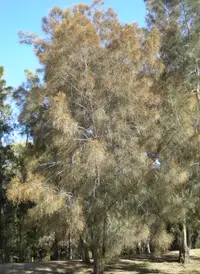
Deep structural staking

For the first 1–2 years, use 2–3 solid stakes placed outside the root ball and tied with soft, figure-8 ties to keep the root zone stable while still allowing slight trunk movement that encourages strong taper.

Salt and flood management

In riverine or coastal sites, periodically leach the root zone with fresh water after saltwater flooding and avoid piling silt or debris against the trunk to prevent root collar rot and salt buildup.

Nitrogen-fixing root care

Disturb the root zone as little as possible during construction or soil works because the fine roots and nitrogen-fixing nodules are shallow and easily damaged, which can cause visible decline in canopy density.

Low-branch training

On windy or erosion-prone banks, maintain some lower branches for several seasons before lifting the canopy, as this helps anchor the trunk, shade the soil, and reduce undergrowth erosion when growing river sheoak.

Common Pests and Diseases

River Sheoak psyllid

This pest causes tip dieback, yellowing, and distortion of new needle-like foliage, often leading to a thin, sparse canopy. Symptoms include tiny sap-sucking insects or their lerps (protective coverings) clustered on young shoots.

Solution

Prune and destroy heavily infested shoot tips to remove eggs and nymphs, then monitor new growth closely. Encourage natural predators, and if needed use a targeted systemic insecticide or horticultural oil during early flushes of new growth, making sure spray coverage reaches the fine branchlets.

Casuarina leaf beetle

These insects chew the fine branchlets, leading to browning, thinning foliage, and in severe cases partial defoliation. Damage is often most visible on young or stressed trees in warm seasons.

Solution

Inspect foliage regularly and hand-pick adult beetles and larvae on small trees where possible. For heavier infestations, apply a registered foliage-spray insecticide targeted to chewing beetles, treating in the early larval stages and repeating only as needed to avoid harming beneficial insects.

Armillaria root rot

This disease causes progressive decline, including reduced growth, sparse foliage, yellowing, and sudden branch dieback, especially in previously cleared or woodland sites. Symptoms include white fungal sheets under the bark near the root collar and possible honey-colored mushrooms at the base of the tree.

Solution

Remove and destroy severely affected trees including as much of the root system as possible, and avoid replanting susceptible species in the same spot. Improve drainage, reduce soil compaction, and prevent wounding of roots and lower trunks to limit infection and spread to nearby Casuarina cunninghamiana plantings.

Brown root rot

This disease, caused by Phellinus noxius, leads to canopy thinning, pale foliage, and gradual decline, often in warm, humid regions. Symptoms include decayed roots with a brown, brittle texture and sometimes a white fungal margin in the soil around major roots.

Solution

Excavate and remove diseased roots where practical and dispose of infected material off-site, then improve soil aeration and drainage around remaining trees. Avoid planting new river sheoak directly into known infested soil, and use species with better resistance or physical barriers when re-establishing trees nearby.

Scale insects

These insects attach along branchlets and small stems, causing leaf yellowing, reduced vigor, and sticky honeydew that can lead to sooty mold. Infestations are often patchy but can become dense on sheltered inner branches.

Solution

On small or moderate infestations, scrub affected branchlets gently with a soft brush and water or use horticultural oil to smother scales, ensuring full coverage. Improve plant vigor through correct watering and mulching, and prune out heavily infested twigs to reduce populations and make follow-up treatments more effective.

Interesting Facts

Nitrogen-fixing partnership

River sheoak roots host symbiotic actinobacteria in the genus Frankia that form visible nodules and convert atmospheric nitrogen into usable forms, enriching poor, sandy riverbank soils.

Adapted to flooding

This species naturally grows along watercourses in eastern Australia and tolerates periodic flooding and waterlogged substrates, which allows it to stabilize riverbanks and reduce erosion.

Wind and salt tolerant

The fine, jointed branchlets and tough, narrow-scale leaves reduce water loss and wind drag, giving the tree notable resistance to coastal winds and moderate salt exposure, which is why it is widely used as a windbreak.

Botan icon

Did you know?

In parts of eastern Australia, river sheoak forms almost pure, linear forests along rivers and streams, creating distinctive riparian woodlands that are recognized as a specific ecological community due to their structure and importance for bank stability and habitat.

FAQs about river sheoak

This species is generally fast-growing, often adding 60–150 cm per year in suitable conditions. Growth is quickest in full sun, with deep, well-drained soil and regular moisture during establishment, then slowing slightly as it matures.

Grow Healthy Plants with Botan Care

Keep your plants happy and healthy with plant identification, disease detection, and easy care guidance.

Botan plant care app — identify plants on mobile

Explore More Plants