naked albizia Care (Albizia carbonaria)

naked albizia

About naked albizia

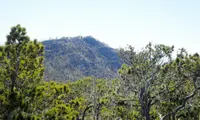
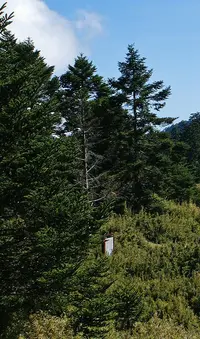
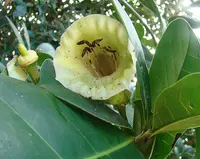
Naked albizia (Albizia carbonaria) is a fast-growing deciduous tree from tropical regions of Central and South America. It belongs to the legume family and can reach substantial height in suitable climates. The tree has a light, airy crown with fine, feathery leaflets that create soft, filtered shade, and it often shows a relatively open, branchy structure. Small, fragrant, puff-like flowers appear seasonally and are followed by flat seed pods, which add to its ornamental and ecological value. Albizia carbonaria is generally considered a hardy, adaptable species but needs space, warmth, and well-drained soil to perform well. It suits gardeners who want to care for naked albizia in mild climates or large, protected outdoor spaces.

Main Plant Requirements

Care Difficulty

Moderate Care

Light Preference

Full Sun

Water Requirements

Moderate Water

Temperature Preference

Warm Climate

Hardiness Zone

9–11

Soil Texture

Sandy, Loamy, Clay

Soil pH

Acidic (5.5–6.5), Slightly acidic (6.5–7.0)

Soil Drainage

Well-drained

Fertilization

Minimal (feed rarely)

Get Personalized Care Plan

Scan your plant to receive care tips personalized for your specific plant

Available on iOS and Android

How to Care for the naked albizia

Albizia carbonaria prefers bright, open conditions similar to a sunny woodland edge.

  • Provide 6–8 hours of direct sun daily, with morning sun and light afternoon shade ideal in hot climates to limit leaf scorch.
  • Tree tolerates light or dappled shade for part of the day, but prolonged shade reduces flowering and promotes lanky, weak growth in naked albizia.
  • In the first 1–2 years, protect young plants from harsh midday summer sun with temporary shade cloth or nearby taller plants.

Albizia carbonaria prefers evenly moist but not saturated soil once established outdoors.

  • Allow the top 3–5 cm of soil to dry before deep watering, then soak the root zone thoroughly so moisture reaches 20–30 cm depth.
  • Reduce watering in cool seasons when growth slows; in hot, dry periods, watch for drooping leaflets or dry, curling tips as signs to water sooner.
  • Use well-drained soil or a sloped site to prevent standing water, which can cause yellowing leaves, dieback, and root rot.

This species is a warm-temperate to subtropical tree that dislikes hard frost.

  • Best growth occurs around 65–85°F (18–29°C), with active shoot extension and good flowering under stable warm conditions.
  • Mature trees may survive brief drops to about 25–28°F (-4 to -2°C), but young plants are easily damaged and can lose branches or die back.
  • In regions where summer exceeds 95°F (35°C), provide soil mulch and occasional deep watering to reduce heat stress and leaf scorch.

This species adapts to a range of humidity but benefits from moderate ambient moisture.

  • Aim for 40–60% humidity to support steady foliage and shoot growth in naked albizia.
  • It tolerates short periods of drier air but prolonged <30% humidity can slow growth and crisp leaf tips.
  • Increase humidity with grouped plantings, a nearby water tray, or occasional misting while ensuring foliage dries quickly.

Albizia carbonaria prefers well-structured, freely draining soil that still retains some moisture.

  • Use a loamy mix with moderate organic matter, such as 50% composted bark or compost, 30% coarse sand, and 20% perlite.
  • Ensure rapid drainage so water does not pool around roots; raised beds or mounded planting help in heavy soils.
  • Target a slightly acidic to neutral pH of 6.0–7.0, avoiding strongly acidic or alkaline substrates that reduce nutrient availability.
  • Improve aeration in compact or clay soil by incorporating coarse sand, fine gravel, or extra perlite and avoiding high peat-only mixes.

This species can be grown in containers when given sufficient root space and stable support.

  • Choose a deep, heavy pot that reduces tipping risk as the canopy becomes wide and wind-sensitive.
  • Select a container material such as thick ceramic that moderates moisture swings and anchors the developing root system.
  • Leave a generous gap between soil surface and rim to allow thorough watering without overflow on balconies or patios.

Albizia carbonaria benefits from light, targeted feeding rather than heavy fertilization, especially in poor soils.

  • Use a balanced NPK granular or slow-release fertilizer in early spring for in-ground trees, or a diluted liquid feed for containers.
  • Apply fertilizer 1–2 times during the active growing season, avoiding mid-summer overfeeding to limit weak, lanky growth.
  • Dilute liquid fertilizers to 1/2 strength for young or container-grown trees to reduce salt buildup and root burn.
  • Reduce or stop feeding in fall and winter, as caring for naked albizia during dormancy focuses on watering and structural health, not rapid growth.

Pruning Albizia carbonaria helps maintain a strong framework and safe, balanced canopy.

  • Schedule main structural pruning in late winter to very early spring, before vigorous new growth starts.
  • Remove dead, diseased, crossing, or storm-damaged branches first to reduce pest entry points and improve airflow.
  • Thin crowded interior shoots to open the canopy, which encourages stable branch structure and better light penetration.
  • Use clean, sharp bypass pruners or a pruning saw, making small, angled cuts just outside the branch collar without leaving stubs.

This species is usually grown as a landscape tree, so transplanting young Albizia carbonaria is more common than long-term container repotting.

  • Transplant in-ground or pot-grown saplings in late winter or early spring when soil is workable and before strong new growth.
  • Look for signs like roots circling the pot, crowded drainage holes, or slowed growth as cues a container plant needs a larger space.
  • Move up only 1–2 pot sizes or into a similar-depth planting hole, keeping the root flare at soil level and backfilling with native soil.
  • Water deeply before and after transplanting, apply a 5–8 cm mulch ring, and shade the tree for 1–2 weeks to reduce transplant shock.

Albizia carbonaria is most commonly propagated from seed, with cuttings attempted less often.

  • Collect ripe pods in late summer to fall, then dry and store seeds cool and dry until spring sowing.
  • Scarify seeds lightly with sandpaper or a brief hot-water soak to soften the coat and improve germination rates.
  • Sow seeds in a free-draining mix, keep at 70–80°F, and maintain evenly moist, not waterlogged, conditions until seedlings establish.
  • For semi-hardwood cuttings, take pieces in late spring to early summer, use rooting hormone, and place in warm, high-humidity, bright but indirect light.

Albizia carbonaria is best suited to mild, frost-limited climates and needs extra attention in colder areas.

  • In regions with occasional light frost, apply a 5–8 cm organic mulch layer over the root zone, keeping it slightly away from the trunk.
  • For young trees, wrap the lower trunk with breathable tree wrap to limit bark damage from freezing and thawing.
  • Move container-grown specimens into a bright, cool, frost-free location before temperatures fall consistently below 35°F.

Care Tips

Early trunk training

Stake young trees in their first 2–3 years and adjust ties every 2–3 months so the trunk develops straight and stable while still allowing slight movement to strengthen the wood.


Wind and branch management

In windy sites, selectively thin crowded interior branches before storm season to reduce wind resistance and the risk of limb breakage rather than shortening all branch tips.

Root spread planning

Keep planting beds, irrigation lines, and hardscape at least 3–4 m away from the trunk so the wide, shallow root system can expand without lifting paving or competing heavily with nearby plantings.

Nitrogen-fixation advantage

Because this species forms nitrogen-fixing root nodules, avoid heavy nitrogen fertilization and instead use moderate, balanced nutrients so the tree maintains sturdy growth rather than overly soft, weak shoots.

Regrowth after cutting

If a main stem is removed or damaged, choose 1–2 strong replacement shoots early and prune away competing sprouts so the new leader forms an orderly framework, which is especially useful when caring for naked albizia in small landscapes.

Common Pests and Diseases

Webworm caterpillars

This pest often feeds on albizia foliage, creating webbed nests and skeletonizing leaflets, especially on young or stressed trees. Symptoms include browning, chewed leaves, and visible silken webbing over branch tips.

Solution

Prune out and destroy infested branch tips with webs before caterpillars spread, and dispose of them in sealed bags. For heavier infestations, use a biological treatment containing Bacillus thuringiensis (BT) directed at young caterpillars, and encourage natural predators by avoiding broad-spectrum insecticides.

Twig borers

These insects tunnel into small branches and twigs, causing dieback, wilting of branch tips, and small entry holes sometimes accompanied by sawdust-like frass. This pest is more common in weakened trees growing in drought or compacted soils.

Solution

Prune and destroy affected twigs several inches below visible damage to remove larvae, and time pruning during dry weather to reduce infection risk. Improve tree vigor with proper watering and soil care, and avoid injuring bark, since stressed trees are more susceptible to borers.

Leaf spot fungi

This disease causes scattered brown or purple spots on leaflets that may merge, leading to premature leaf drop during warm, humid periods. Symptoms include thinning foliage and cosmetic damage rather than rapid death of branches.

Solution

Remove and discard fallen leaves to reduce fungal spores, and avoid overhead irrigation to keep foliage as dry as possible. If conditions stay wet and leaf drop becomes severe, apply a labeled ornamental tree fungicide at the first sign of new spotting, following local regulations and label directions.

Powdery mildew

This disease produces a white or gray powdery coating on the upper surface of leaflets and young shoots, which can lead to leaf distortion and reduced vigor in shaded, humid locations. Symptoms include dull, faded foliage and reduced new growth on affected branches.

Solution

Increase sunlight and airflow around the canopy by selective pruning of dense interior branches and nearby competing plants. In recurring cases, treat new infections early with a horticultural oil or potassium bicarbonate product labeled for powdery mildew, avoiding applications during extreme heat to prevent leaf burn.

Scale insects

These insects attach tightly to twigs and leaf stalks as small bumps, sucking sap and excreting honeydew that can lead to sooty mold growth. Symptoms include sticky leaves, blackish mold on surfaces beneath the tree, and gradual decline in vigor on heavily infested branches.

Solution

Prune out and destroy heavily infested twigs where practical, and wash reachable branches with a strong stream of water to dislodge some insects and honeydew. For persistent infestations, apply horticultural oil thoroughly to twigs and branches during the appropriate dormant or growing-season window to smother scale, repeating as directed on the product label as part of Albizia carbonaria care.

Interesting Facts

Fine bipinnate canopy

This species develops very delicate, many-times-divided (bipinnate) leaflets that give the crown a light, feathery texture, helping sunlight filter through while still providing shade for understory plants in warm climates.

Nitrogen-fixing partner

Albizia carbonaria forms symbiosis with root bacteria that fix atmospheric nitrogen into the soil, which can gradually improve soil fertility and support surrounding vegetation in disturbed or degraded sites.

High-altitude tolerance

Unlike many other Albizia species, it naturally occurs at higher elevations in tropical mountains, showing good adaptation to cooler nights, intense light, and seasonal dry periods in montane environments.

Botan icon

Did you know?

In parts of its native range, this tree is widely planted in agroforestry systems as a fast-growing shade and support species for coffee and other crops, due to its light canopy, nitrogen enrichment, and extensive root system that helps stabilize sloping land.

FAQs about naked albizia

This species is generally fast-growing, often adding 60–120 cm of height per year in warm climates once established. Growth slows in poorer soil, limited root space, drought, or cooler regions compared with its native range.

Grow Healthy Plants with Botan Care

Keep your plants happy and healthy with plant identification, disease detection, and easy care guidance.

Botan plant care app — identify plants on mobile

Explore More Plants