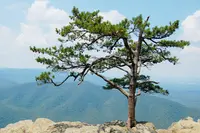
Hispaniolan Pine Care (Pinus occidentalis)

Hispaniolan Pine

About Hispaniolan Pine

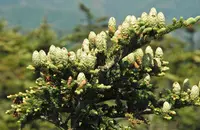
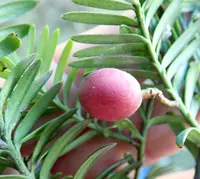
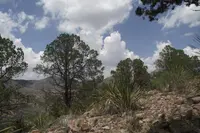
Hispaniolan pine, Pinus occidentalis, is a medium to large evergreen conifer native to the high mountains of Hispaniola in the Caribbean. It forms tall, straight trunks with a rounded or irregular crown. Needle clusters are typically long and slender, giving the tree a fine, airy texture. Cones are fairly large and woody, holding seeds that feed local wildlife. In nature it tolerates exposed, windy sites and relatively poor, rocky soils, but it prefers full sun and well-drained ground in cultivation. These traits make it hardy but slow-growing, so to successfully care for Hispaniolan Pine, growers need patience and suitable outdoor space.

Main Plant Requirements

Care Difficulty

Hard Care

Light Preference

Full Sun

Water Requirements

Low Water

Temperature Preference

Warm Climate

Hardiness Zone

11–13

Soil Texture

Sandy, Loamy, Rocky

Soil pH

Strongly acidic (4.5–5.5), Acidic (5.5–6.5)

Soil Drainage

Well-drained

Fertilization

Minimal (feed rarely)

Get Personalized Care Plan

Scan your plant to receive care tips personalized for your specific plant

Available on iOS and Android

How to Care for the Hispaniolan Pine

This high-elevation pine needs strong, direct light to develop dense, healthy growth.

  • Provide 6–8 hours of full sun daily; Hispaniolan Pine grows best on open, exposed sites rather than under a canopy.
  • It tolerates light partial shade, especially with morning sun and light afternoon shade in very hot, lowland areas to reduce needle scorch.
  • Avoid planting on the north side of tall buildings or trees, where persistent shade leads to sparse branching and elongated, weak shoots.

This species prefers dry to moderately moist, well-drained soil and is sensitive to standing water.

  • After establishment, water mainly during prolonged dry periods, letting the top 5–8 cm of soil dry before deep soaking again.
  • Use sharply draining, sandy or rocky soil so water clears the root zone within a few hours; Pinus occidentalis is prone to root rot in heavy clay.
  • Watch needles and growth: yellowing, limp foliage and sour soil odor suggest overwatering, while browning tips and premature needle drop indicate chronic drought stress.

This Caribbean pine is adapted to warm, mild climates but can handle moderate temperature variation.

  • Aim for active growth in 65–80°F (18–27°C); cooler nights around 55–60°F (13–16°C) are acceptable and common at elevation.
  • Mature trees may withstand brief drops near 25–28°F (-4 to -2°C), but young plants are more frost-sensitive and benefit from wind and frost protection.
  • In hot lowland sites above 90°F (32°C), provide soil mulch and occasional deep watering to reduce heat stress and prevent root zone overheating.

This highland pine tolerates a wide humidity range and rarely needs special humidity management.

  • Target 30–60% humidity, similar to typical indoor and outdoor air in temperate homes and gardens.
  • Dry air is usually tolerated, but prolonged hot, dry winds can desiccate needles, especially on young container plants.
  • Humidity stress appears as browning needle tips and accelerated needle drop on sun‑exposed sides of the crown.
  • For exposed balcony or patio containers, group plants and use a mulch layer to reduce rapid moisture loss around the root zone.

Pinus occidentalis prefers mineral, well‑aerated soil that drains quickly but does not stay extremely dry.

  • Use a sandy or sandy‑loam mix, roughly 60–70% coarse mineral material (sharp sand, fine grit, pumice) with 30–40% composted bark or low‑peat compost.
  • Aim for slightly acidic to neutral pH, around 5.5–7.0, avoiding strongly alkaline mixes that can reduce nutrient availability and cause chlorotic, pale needles.
  • Improve drainage and aeration by incorporating 10–20% pumice or perlite and avoiding fine, water‑holding media such as heavy peat or clayey subsoil.
  • Avoid compacted, soggy conditions or sites where water pools after rain, as oxygen‑poor soil encourages root decline and increases disease risk for Hispaniolan Pine.

This species can be grown in containers for several years, especially in its juvenile stage, if root space and stability are managed carefully.

  • Choose a tall, heavy container to counter the plant’s upright, wind‑catching crown and reduce the risk of tipping in exposed positions.
  • Select thick‑walled clay or concrete pots if possible, as they moderate temperature swings and slightly increase moisture loss, preventing chronic wetness around roots.
  • Fill the pot so the root collar sits just above the rim, which keeps bark dry during watering and reduces the chance of basal rot in tight container spaces.

Pinus occidentalis grows well in lean soils and usually needs only light feeding in cultivation.

  • Use a balanced slow-release fertilizer (e.g., 10-10-10) or well-rotted compost at the start of spring growth.
  • Feed container or nursery trees every 6–8 weeks during the growing season at half the label rate.
  • Avoid high-nitrogen lawn fertilizers near roots to reduce weak, lush growth.
  • Stop feeding in late summer so new growth hardens before winter.

Pruning Pinus occidentalis is mainly corrective, aimed at maintaining structure and plant health.

  • Carry out structural pruning in late winter to early spring before active growth begins.
  • Remove dead, diseased, broken, or rubbing branches using clean, sharp bypass pruners or a pruning saw.
  • Limit cuts to small branches, maintaining the natural form rather than forcing tight shapes.
  • Avoid cutting back into old bare wood; shorten only to whorls with healthy needles.

Transplanting this pine is more common than long-term container culture, which suits only young plants.

  • Transplant in late winter to early spring when dormant, choosing a sunny, well-drained site for Hispaniolan Pine.
  • Look for roots circling the pot, slowed growth, or frequent drying as signs a container plant needs a larger root space.
  • Handle the root ball gently; keep it intact and plant at the same depth, watering thoroughly to settle soil.
  • Use a coarse, free-draining mix in containers and provide shade and steady moisture for 2–3 weeks after moving.

Pinus occidentalis is typically propagated from seed, with vegetative methods used mainly in specialist settings.

  • Collect ripe cones in late summer to autumn, dry them until seeds release, then store cool and dry.
  • Provide cold stratification at about 34–41°F for 6–8 weeks if seeds show dormancy, then sow in a gritty, well-drained mix.
  • Maintain bright light, good air flow, and slightly moist (not wet) substrate during germination and early growth.
  • Protect seedlings from intense sun and strong wind until roots are well established.

This warm-climate pine has low tolerance to hard frost and needs protection in colder regions.

  • Mulch around the root zone with 5–8 cm of bark or needles, keeping mulch slightly away from the trunk.
  • In areas below about 25°F, wrap young trunks with breathable tree wrap to limit bark damage.
  • Move container plants into a bright, cool, frost-free space and water sparingly but do not let the root ball dry out.

Care Tips

Wind-firm training

In the first 3–5 years, avoid staking unless necessary and allow some natural movement so the young tree develops a strong taper and root system that better resists hurricane‑force winds common in its native range.

High-pH site selection

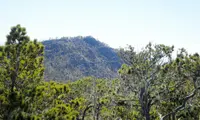
Choose planting sites with naturally alkaline or limestone-influenced soil or amend the backfill with crushed limestone chips to better match this species’ native karst conditions and reduce long-term nutrient stress.

Fire-resilience management

Maintain a clear, weed-free mineral soil ring 60–90 cm around the trunk by hand weeding or light raking, which lowers fuel buildup and helps protect the tree in fire-prone landscapes.

Thinning for form

On young trees, selectively remove or shorten crowded, competing lateral branches in late winter to encourage a single dominant leader and strong, well-spaced scaffold branches suitable for long-term timber-quality structure.

Pest monitoring routine

During warm months, inspect shoots and trunks monthly for bark beetle entry holes, boring dust, or resin flow, and promptly remove and destroy heavily infested branches to slow spread, which is central to effective Pinus occidentalis plant care.

Common Pests and Diseases

Pine needle rust

This disease causes yellow to orange spots on needles that later produce powdery spores, leading to premature needle drop and thinning crowns. Symptoms include reduced vigor, especially in young or stressed trees.

Solution

Prune and destroy heavily infected lower branches and fallen needles to reduce spore sources, and avoid overhead irrigation that keeps foliage wet. Improve spacing and airflow around trees, and in high-value plantings consult a local arborist about registered fungicides timed to new needle growth as part of broader Pinus occidentalis care instructions.

Pine needle blight

This disease leads to browning and shedding of older needles, often starting from the tip and moving inward, which gives trees a thin, tufted appearance at branch ends. Symptoms include reduced growth and increased sensitivity to drought and other stresses.

Solution

Rake and remove fallen needles, and prune out heavily affected branches to lower the amount of infectious material. Maintain good site drainage and tree vigor, and where the disease is recurrent, seek local forestry or extension guidance on appropriate fungicide sprays applied during new needle expansion.

Pine aphids

These insects feed on sap from needles and young shoots, causing yellowing, distortion, and sticky honeydew that can attract sooty mold. This pest can slow growth and weaken trees when populations are high, especially on young or stressed pines.

Solution

Spray affected shoots with a firm stream of water to dislodge aphids and reduce numbers, and encourage natural predators such as lady beetles by avoiding broad-spectrum insecticides. For persistent, heavy infestations on landscape trees, use targeted insecticidal soap or horticultural oil, applied thoroughly to needle undersides and shoot tips according to label directions.

Pine sawflies

These insects have caterpillar-like larvae that feed in groups on needles, often stripping branches and leaving bare shoots that reduce growth and overall vigor. Symptoms include clusters of larvae on branch tips and significant needle loss in a short time.

Solution

Inspect trees during the growing season and handpick or prune out small larval clusters when practical, destroying removed material. For larger infestations, use a targeted biological or low-impact insecticide recommended for sawflies, applied when larvae are small and actively feeding, and avoid treatments labeled only for caterpillars that may not work on sawfly larvae.

Pitch canker

This disease causes sunken cankers on branches and stems that ooze resin, along with wilting and browning of needles beyond the infection site. Symptoms include scattered dead branch tips, dieback, and in severe cases, decline of the entire tree.

Solution

Remove and destroy affected twigs and small branches during dry weather, cutting well below visible symptoms to reduce inoculum, and disinfect pruning tools between cuts. Avoid wounding the trunk and major branches, reduce stress through proper watering and avoiding excess nitrogen, and if decline progresses, consult a certified arborist or local forestry service about long-term management or removal to prevent spread to nearby pines.

Interesting Facts

Endemic Caribbean conifer

Pinus occidentalis is native only to the island of Hispaniola, where it is one of the few naturally occurring pine species in the Greater Antilles, adapted to the island’s mountains and high plateaus.

Key montane forest builder

This species dominates extensive high-elevation pine forests in the Cordillera Central and other ranges, shaping local hydrology, soil development, and fire regimes in these mountain ecosystems.

Fire-adapted life cycle

Mature Hispaniolan pines show adaptations to periodic fire, such as relatively thick bark and a regeneration pattern that allows seedlings to establish in open, post-fire conditions with increased light and reduced competition.

Botan icon

Did you know?

Pinus occidentalis has been assessed as Endangered on the IUCN Red List, mainly due to habitat loss, logging, and altered fire patterns across its already very restricted island range.

FAQs about Hispaniolan Pine

This species grows at a moderate rate. Young trees can add about 30–60 cm in height per year under good conditions, then slow with age. Growth is faster in deep, well-drained soils and warm climates.

Grow Healthy Plants with Botan Care

Keep your plants happy and healthy with plant identification, disease detection, and easy care guidance.

Botan plant care app — identify plants on mobile

Explore More Plants