Table Mountain Pine Care (Pinus pungens)

Also known as: Hickory Pine, Prickly Pine, mountain pine
Table Mountain Pine

About Table Mountain Pine

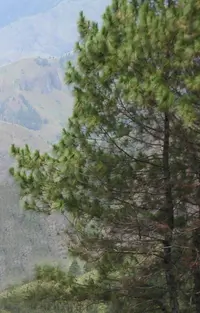
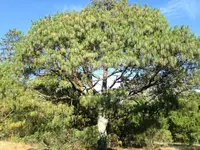
Table mountain pine (Pinus pungens) is a small to medium evergreen conifer native to the Appalachian Mountains of the eastern United States. It typically forms a rounded, irregular crown with stiff, paired needles and heavy, spiny cones that often stay on the branches for many years.

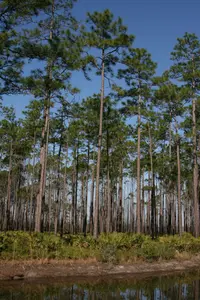
This species usually grows on dry, rocky ridges and exposed slopes, where it tolerates wind, cold, and poor, acidic soils. Its strong adaptation to harsh sites makes it durable once established but slower-growing and less suited to rich, wet ground.

Gardeners who want to care for Table Mountain Pine should provide full sun, good drainage, and space for its irregular shape and long-lasting cones.

Main Plant Requirements

Care Difficulty

Moderate Care

Light Preference

Full Sun

Water Requirements

Low Water

Temperature Preference

Cold Hardy

Hardiness Zone

4–7

Soil Texture

Sandy, Loamy, Rocky

Soil pH

Strongly acidic (4.5–5.5), Acidic (5.5–6.5)

Soil Drainage

Well-drained

Fertilization

Minimal (feed rarely)

Get Personalized Care Plan

Scan your plant to receive care tips personalized for your specific plant

Available on iOS and Android

How to Care for the Table Mountain Pine

This high-elevation pine needs abundant direct sun to develop dense, healthy growth.

  • Provide 6–8 hours of direct sun daily; full sun exposure from morning through late afternoon is ideal for Table Mountain Pine.
  • It tolerates light partial shade, but prolonged shade leads to sparse, elongated shoots and reduced cone production.
  • Newly planted trees benefit from some protection from intense late-afternoon summer sun in very hot, low-elevation sites to limit heat stress and needle scorch.

This species prefers dry to moderately moist, fast-draining soil and is adapted to periodic drought.

  • After planting, water deeply when the top 5–8 cm of soil feels dry, then reduce frequency as roots establish over 1–2 years.
  • Mature Pinus pungens in the ground usually need supplemental water only during extended drought, guided by dull, slightly curling needles as a sign of stress.
  • Avoid soggy soil; yellowing needles from the base upward, soft roots, and a sour smell indicate overwatering or poor drainage.

This cold-hardy pine thrives in climates with cool to cold winters and moderate summers.

  • Optimal growing temperatures are about 55–75°F (13–24°C), though established trees handle warmer summer highs if soil is not waterlogged.
  • It tolerates winter lows near -20°F (-29°C) once established, with cold dormancy supporting long-term health and bud hardiness.
  • Young plants are more vulnerable to sudden temperature swings; avoid planting in frost pockets and protect from reflected heat near pavement in hot regions.

Pinus pungens handles low atmospheric moisture and usually does not need humidity adjustment in typical outdoor conditions.

Pinus pungens prefers lean, well-aerated mineral soil that drains quickly and does not stay wet.

  • Use sandy or sandy-loam soil with at least 50–70% mineral content and very little organic matter.
  • Aim for slightly acidic to neutral pH around 5.5–7.0, avoiding strongly alkaline or saline substrates.
  • Improve drainage and aeration with sharp sand, fine gravel, or pumice rather than peat-heavy amendments.
  • Avoid compacted, water-retentive clay mixes, which promote root rot and poor root oxygenation.

This species can be grown in containers for many years, but only with careful attention to root space and drainage.

  • Choose a deep, heavy container that keeps the tall, wind-exposed canopy stable and prevents tipping.
  • Use a sharply draining, gritty mix so water moves through in seconds rather than minutes after watering.
  • Elevate the pot slightly on feet or bricks so drainage holes do not clog against the ground and trapped water can escape.

This mountain pine usually needs minimal feeding in the ground but benefits from modest nutrition in poor soils or containers.

  • Use a balanced slow-release fertilizer (such as 10-10-10) or well-aged compost in early spring for Table Mountain Pine in lean soil.
  • Apply once per year during the growing season, lightly scattered over the root zone and watered in well.
  • Avoid summer overfeeding; use half-strength if applying liquid fertilizer to container-grown plants.
  • Do not fertilize in late fall or winter to prevent soft growth that is vulnerable to cold.

Pruning Pinus pungens is mainly corrective and should stay light to preserve its natural form.

  • Time any pruning for late winter or very early spring before active growth begins.
  • Remove only dead, diseased, broken, or rubbing branches with clean, sharp bypass pruners or a small pruning saw.
  • Limit cuts to small branches; avoid large structural removals that stress the tree and invite decay.
  • Use candle pinching in late spring, shortening new shoots by one-third to slightly compact shape without heavy cutting.

This species is seldom kept long term in containers, so management focuses on careful transplanting when young.

  • Transplant young Pinus pungens in early spring or early fall, before or after peak heat, to limit stress.
  • Look for roots circling the pot, frequent wilting, or very slow growth as signs a container plant has outgrown its space.
  • Shift up 1 pot size every 2–3 years for nursery stock, loosening circling roots gently without tearing the root ball.
  • Water deeply after planting, keep soil evenly moist for the first growing season, and avoid high-nitrogen fertilizer during establishment.

Propagation of Pinus pungens is done mostly from seed and is considered slow and technically demanding.

  • Collect ripe cones in late summer to fall, then dry until scales open and release seeds.
  • Provide cold stratification at 34–41°F for about 6–10 weeks in moist, sterile medium to break dormancy.
  • Sow in a well-drained, sandy mix under bright light at 60–70°F, keeping the medium just slightly moist.
  • Recognize that germination and early growth are slow, and losses can be high without careful moisture and disease control.

This pine is naturally cold hardy and usually needs no special winter care once established in the landscape.

Care Tips

Cone and seed management

Allow some older cones to remain on the tree to support its natural habit, but remove heavily clustered cones on weak branches to reduce weight and lower the risk of storm breakage.


Storm hardening pruning

In late winter, selectively thin dense interior twigs and crossing branches so wind can pass through the canopy more easily, which helps reduce limb failure during storms.

Slope and rock use

Plant on a sunny slope, berm, or rocky outcrop if available, since good air drainage and slightly elevated placement mimic its native ridge habitats and improve root health for growing Table Mountain Pine.

Trunk protection setup

Install a breathable trunk guard or wrap during the first 2–3 winters to protect young bark from sunscald and animal damage, removing it each spring to inspect the bark and prevent moisture buildup.

Long-term space planning

Position the tree where it can keep its naturally irregular, open crown without topping, since avoiding heavy height reduction cuts prevents decay and maintains structural stability over decades when caring for Table Mountain Pine.

Common Pests and Diseases

Pine needle rust

This disease causes yellow to orange spots or bands on needles, sometimes with blister-like pustules that release orange spores. Symptoms include premature needle drop and a thinned crown, especially on young trees.

Solution

Prune out and destroy heavily infected shoots and fallen needles to reduce spore sources, and avoid overhead irrigation that keeps foliage wet. In landscapes, improve spacing and airflow; in high-value specimens, a licensed arborist may apply registered fungicides in early spring as part of broader Pinus pungens care instructions.

Needle cast

This disease leads to browning or purpling of older needles, often starting on the lower branches and progressing upward, followed by needle drop. Symptoms include a thin, tufted look, with only the youngest needles remaining on branch tips.

Solution

Rake and remove fallen needles, thin nearby vegetation to increase light and airflow, and avoid prolonged wetting of foliage. For persistent cases on important trees, consult a tree care professional about timing preventive fungicide sprays in spring when new needles are emerging.

Pine bark beetles

These insects bore into trunks and larger branches, creating galleries under the bark and disrupting water movement. Symptoms include fading foliage, pitch tubes (small resin blobs) on the bark, and eventual branch dieback or tree death under heavy attack.

Solution

Maintain tree vigor through proper watering during drought, avoiding trunk injury, and preventing soil compaction. Remove and dispose of heavily infested or dead trees promptly to reduce beetle populations, and in high-risk areas consider consulting a professional about preventative trunk-applied insecticides for valuable specimens.

Pine needle scale

This pest appears as small white, elongated scales on needles, causing yellowing, reduced growth, and in severe cases needle drop and thinning foliage. This pest feeds by sucking sap from needles, stressing the tree over time.

Solution

On smaller trees, wash infested needles with a strong but controlled stream of water to dislodge scales, and prune heavily infested twigs. For larger or persistent infestations, use horticultural oil or insecticidal soap during crawler emergence, following label directions and timing based on local extension service guidance.

Pine gall rust

This disease forms woody, rounded galls on branches or trunks, which can girdle stems and cause dieback above the gall. Symptoms include swollen, irregular growths and sometimes orange spore masses on the gall surface in spring.

Solution

Prune out galled branches several inches below the gall during dry weather and dispose of them away from pines. Inspect trees regularly for new galls, and in high-value plantings consider professional advice on fungicide programs and spacing from alternate hosts if present in the area.

Interesting Facts

Fire-cone adaptation

Table Mountain pine cones are serotinous, meaning many stay tightly closed for years and only release seeds when exposed to the heat of a wildfire or very high temperatures.

Narrow Appalachian native

This species has one of the most restricted ranges of any North American pine, occurring mainly on dry, rocky ridges of the central and southern Appalachian Mountains.

Strongly paired needles

Its stiff, sharp needles usually occur in bundles of 2, rarely 3, and are notably short and thick compared with many other eastern pines, giving the foliage a coarse, bristly texture.

Botan icon

Did you know?

Table Mountain pine is considered a fire-dependent species, and in some Appalachian ridge communities its long-term survival and regeneration decline sharply when wildfires are actively suppressed for many decades.

FAQs about Table Mountain Pine

This species grows slowly, usually 15–30 cm per year under good conditions. Growth is faster in full sun, cool climates, and well-drained, slightly acidic soil, and slower on dry, exposed or compacted sites.

Grow Healthy Plants with Botan Care

Keep your plants happy and healthy with plant identification, disease detection, and easy care guidance.


Botan plant care app — identify plants on mobile

Explore More Plants