Thorn‑aware placement
Site the tree at least 3–4 ft from walkways, driveways, and play areas so its long thorns do not interfere with people, pets, or lawn equipment and future pruning access remains safe and practical.

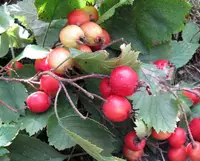
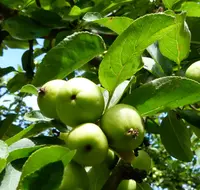
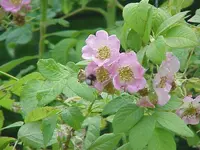
Quebec hawthorn (Crataegus submollis) is a small, hardy deciduous tree or large shrub valued for its dense branching and attractive seasonal change. It typically forms a rounded crown with strong thorns and clusters of white spring flowers followed by bright red berries in fall.
This species is native to northeastern North America, especially Quebec and adjacent regions, and adapts well to cold climates. It tolerates urban conditions and poor soils, which makes it relatively easy to establish once rooted.
It grows best in full sun, with moderately moist, well-drained soil, and benefits from some airflow to reduce leaf disease. Understanding these basic preferences helps plant owners care for Quebec hawthorn with fewer problems.

Care Difficulty
Easy Care

Light Preference
Full Sun

Water Requirements
Moderate Water

Temperature Preference
Cold Hardy

Hardiness Zone
3–7

Soil Texture
Sandy, Loamy, Clay

Soil pH
Acidic (5.5–6.5), Slightly acidic (6.5–7.0)

Soil Drainage
Moist but well-drained

Fertilization
Minimal (feed rarely)
Scan your plant to receive care tips personalized for your specific plant
Available on iOS and Android
This deciduous tree performs best in open, bright conditions with consistent direct sun exposure.
This hardy hawthorn prefers evenly moist but not saturated soil, especially during establishment.
This cold-hardy hawthorn tolerates wide outdoor temperature swings once established.
Humidity is not a significant factor for this hardy outdoor tree.
This species prefers moderately fertile, well-structured mineral soil with reliable drainage.
This species can be grown in containers for some years, but remains better suited to open ground long term.
This hardy native tree usually needs little feeding in average garden soil, but Quebec hawthorn benefits from light nutrition on poor sites.
Pruning Crataegus submollis focuses on safety, structure, and airflow rather than frequent shaping.
This hawthorn is usually grown in the ground, so guidance focuses on transplanting young trees rather than long-term container culture.
Crataegus submollis is usually propagated from seed by nurseries, and home propagation is possible but slow and technical.
This hawthorn is cold hardy across much of the northern US and usually needs minimal winter care.

Plant Health Check
Not sure what's wrong with your plant? Check your plant's health inside the app.
This hawthorn is native to northeastern North America, especially Quebec and adjacent regions, and is now widely planted in colder parts of Europe as an ornamental tree adapted to cool climates.
The leaves and young shoots are noticeably hairy on the underside, giving them a softly downy texture that helps distinguish it from many smoother-leaved hawthorn species.
Mature trees can form very dense clusters of bright red fruits that persist well into fall, providing a significant late-season food source for birds and small mammals.

In parts of northern Europe, this species has been used as a hardy street and hedge tree because it tolerates cold urban conditions better than many other ornamental hawthorns, while still producing abundant flowers and fruit.
The small red fruits are edible when fully ripe and are often made into jellies, jams, or preserves. They contain large seeds, so they are not usually eaten fresh in quantity. Always avoid consuming leaves, bark, or unripe parts.
Keep your plants happy and healthy with plant identification, disease detection, and easy care guidance.