Yellowfoot Care (Craterellus tubaeformis)

Also known as: Trumpet Chanterelle, Winter Chanterelle, Funnel Chanterelle
Yellowfoot

About Yellowfoot

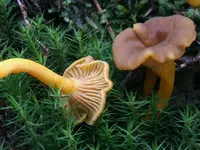
Yellowfoot, Craterellus tubaeformis, is a small, funnel-shaped wild mushroom rather than a typical leafy plant. It forms thin, hollow stems with gray-brown caps and a distinctive yellow to orange foot.

This species usually grows in moist coniferous forests, often in mossy or well-decayed organic layers, particularly in cooler temperate regions. It tends to appear in loose clusters, sometimes in large numbers where conditions are stable.

Yellowfoot is generally considered easier to manage in controlled outdoor woodland-style beds than indoors, as it relies on complex relationships with forest soil and fungi. For anyone wanting to care for Yellowfoot, the key challenge is providing consistently cool, moist, shaded conditions with rich, decomposed organic matter that mimics its natural forest habitat.

Main Plant Requirements

Care Difficulty

Hard Care

Light Preference

Shade

Water Requirements

Keep Soil Moist

Temperature Preference

Cool Climate

Hardiness Zone

Unknown

Soil Texture

Loamy, Peaty, Organic-rich

Soil pH

Strongly acidic (4.5–5.5), Acidic (5.5–6.5)

Soil Drainage

Moist but well-drained

Fertilization

Minimal (feed rarely)

Get Personalized Care Plan

Scan your plant to receive care tips personalized for your specific plant

Available on iOS and Android

How to Care for the Yellowfoot

This woodland fungus prefers low, filtered light similar to a shaded forest floor.

  • Provide dappled or filtered light with 1–3 hours of weak morning sun; avoid direct midday or afternoon sun that can dry the substrate and mycelium.
  • Site Craterellus tubaeformis under conifers or deciduous trees where leaf cover creates partial to deep shade most of the day.
  • In summer, protect Yellowfoot from strong sun by maintaining a thick leaf-litter layer; in cooler seasons, slightly more indirect light is acceptable.

This species thrives in consistently moist, but not waterlogged, forest-like conditions.

  • Aim for evenly moist soil or substrate, allowing only the top 1–2 cm to begin drying before adding water or checking natural moisture levels.
  • Prioritize excellent drainage with a porous, humus-rich layer over mineral soil so excess water can percolate away and not stagnate around the mycelium.
  • Watch for signs of imbalance: sour or swampy smell and slimy patches suggest overwatering, while brittle, pale caps and very dry leaf litter indicate insufficient moisture for Craterellus tubaeformis.

This fungus prefers cool, stable conditions that mimic temperate forest floors.

  • Optimal fruiting typically occurs around 45–60°F (7–16°C), common in autumn conditions under mixed or coniferous woods.
  • The organism tolerates down to about 32°F (0°C) for short periods, but repeated hard frost below 28°F (-2°C) can damage developing fruiting bodies.
  • Sustained heat above 70–75°F (21–24°C), especially combined with dry air, slows growth and can halt fruiting, so shaded, moist microclimates are important in warm spells.

This fungus needs consistently moist, humid conditions to fruit well and does poorly in dry air.

  • Target 70–90% humidity around the substrate, mimicking damp forest conditions rather than typical indoor air.
  • Dry air causes caps to crack, edges to curl, and pinning to stop, indicating the need for higher humidity.
  • Increase humidity by using a humidity tent or greenhouse, frequent fine misting of the substrate, and open water trays nearby without soaking the growing medium.

This species needs a loose, moisture-retentive yet aerated, organic substrate rather than standard potting soil.

  • Use a mix based on well-rotted leaf litter, fine bark, and coarse wood chips to imitate forest floor humus for Craterellus tubaeformis.
  • Ensure the substrate drains freely but stays evenly damp; aim for a structure that holds water without forming puddles or sludge.
  • Keep pH slightly acidic to neutral, around 5.0–7.0, by avoiding lime and favoring oak or beech leaf litter if available.
  • Improve aeration and drainage with 10–20% coarse sand or fine horticultural grit, avoiding heavy clay, compacted garden soil, or peat-only mixes.

This forest-dwelling fungus is only moderately suitable for containers and needs careful substrate and moisture management.

  • Choose a wide, shallow tub or crate that allows a broad substrate surface to interact with air, rather than a deep narrow pot.
  • Use a rigid container material that keeps sidewalls cool and shaded, such as thick plastic or wood, to reduce overheating and rapid drying.
  • Elevate the container on blocks to improve airflow underneath, reducing waterlogging risk at the base of the substrate.

Craterellus tubaeformis, or Yellowfoot, is a forest-dwelling fungus that relies mostly on natural soil nutrients rather than added fertilizer.

Craterellus tubaeformis is not pruned in the horticultural sense, but fruiting bodies can be cleaned up for hygiene and monitoring.

  • Harvest with a clean knife or scissors, cutting mushrooms at the base to avoid tearing surrounding moss or forest litter.
  • Remove old, decaying, or moldy fruiting bodies during the season to reduce unwanted spores and pests near desired patches.
  • Avoid disturbing the underlying mycelium network; never rake, dig, or trim through the substrate where the fungus grows.

This fungus is rarely grown in containers; management focuses on maintaining or relocating suitable outdoor habitat rather than classic repotting.

  • Transplant only when forest soil is being disturbed anyway, moving mossy plugs or colonized substrate rather than individual mushrooms.
  • Carry out any relocation in cool, moist weather, typically in fall, to reduce drying and heat stress on the mycelium.
  • Keep moved substrate intact and shaded, handling it gently so the fine mycelial threads remain connected and functional.

Craterellus tubaeformis is challenging to propagate intentionally because it forms mycorrhizal associations with trees and depends on complex soil biology.

This cold-hardy forest fungus needs no special winter care in typical outdoor conditions within its suitable climate range.

Care Tips

Replicate forest litter

Spread a 2–4 in layer of well-rotted hardwood leaf litter over the bed each autumn to mimic the natural forest floor and maintain the moist, airy conditions that support the mycelium network.

Use host trees wisely

Establish beds under existing conifers such as spruce, fir, or pine, avoiding root-dense trunk flares and instead inoculating in the dripline zone where fine feeder roots and stable moisture favor fruiting.

Gentle harvest technique

Cut mushrooms at the base with a clean knife rather than pulling them up, and avoid disturbing the surrounding duff layer so the underground mycelium remains intact for future flushes.

Moisture-conserving layout

Arrange planting areas in slight depressions or on the north or east side of shrubs or logs so the site retains moisture and experiences reduced wind exposure during the main fruiting season.

Staggered inoculation strategy

Inoculate several small patches in different microhabitats and years, then track which sites fruit most reliably and expand only those, which makes caring for Yellowfoot more efficient over time.

Common Pests and Diseases

Mycophagous springtails

These insects feed on developing fruiting bodies and can scar or hollow small mushrooms in very damp cultivation setups. Symptoms include pitted caps, distorted growth, and small white insects that jump when disturbed.

Solution

Reduce constant surface wetness by improving drainage and airflow in the substrate, and avoid overmisting. Remove heavily damaged fruiting bodies, and if populations are high, dry the top layer of substrate slightly between mistings while keeping the core moist to discourage springtails without stopping mushroom production.

Fungus gnat larvae

This pest lives in moist substrates and can burrow into mushroom primordia and stems, leading to soft spots, collapse, or aborted pins. Adults are small dark flies hovering near trays or bags, while larvae are slender, translucent worms in the substrate.

Solution

Use fine mesh or physical barriers to keep adult gnats away from the growing area, and place yellow sticky traps to monitor and reduce adults. Allow the upper substrate layer to dry slightly between waterings, remove and discard infested clusters, and, in larger setups, use biological controls such as Bacillus thuringiensis israelensis (Bti) according to label directions.

Green Trichoderma mold

This disease is caused by Trichoderma fungi that colonize the same substrate and rapidly outcompete the mycelium, forming dense white patches that turn bright to dark green as spores develop. Symptoms include stalled or patchy mycelial growth, sour or earthy odor, and powdery green areas on the substrate surface.

Solution

Promptly remove and seal contaminated blocks or trays in a bag and dispose of them outside the growing area to limit spore spread. For future cycles, use well-pasteurized or properly sterilized substrate, maintain good hygiene, reduce handling, and ensure adequate fresh air exchange to support strong mycelial growth that can better resist contamination when growing Yellowfoot.

Bacterial blotch

This disease develops in conditions with excess surface moisture and poor air movement, leading to greasy, water-soaked spots on caps and stems that may turn yellow-brown. Symptoms include slimy patches and a slight sour or rotten smell on affected fruiting bodies.

Solution

Improve air circulation and reduce condensation by adjusting ventilation and spacing between fruiting blocks or trays, and avoid leaving large droplets on caps by using a finer mist or reducing misting frequency. Remove and discard affected mushrooms, and between flushes clean surfaces and tools with a mild disinfectant to reduce bacterial load.

Interesting Facts

Late-season fruiting

This species typically fruits very late in the mushroom season, often appearing after many other woodland fungi have finished, sometimes pushing up through early snow in cool, wet conifer forests.

Mycorrhizal specialist

It forms ectomycorrhizal partnerships with conifers such as spruce and pine, helping trees absorb water and mineral nutrients while receiving sugars produced by the host tree.

Hollow, trumpet-like stem

The stem becomes hollow with age and merges gradually into the funnel-shaped cap, creating a distinctive trumpet or tube form that helps channel rainwater and spores down into forest litter.

Botan icon

Did you know?

Genetic and morphological studies indicate that what was once treated as a single, widespread species under this name actually represents a complex of closely related lineages, with European and North American populations in some cases belonging to different, more narrowly defined species.

FAQs about Yellowfoot

This mushroom is considered a good edible when correctly identified. It has a mild flavor and firm texture, and is often sautéed or dried. Always confirm identification with an expert, as similar species can cause illness.

Grow Healthy Plants with Botan Care

Keep your plants happy and healthy with plant identification, disease detection, and easy care guidance.

Botan plant care app — identify plants on mobile

Explore More Plants