Fragrant Funnel Care (Clitocybe fragrans)

Also known as: Fragrant Clitocybe
Fragrant Funnel

About Fragrant Funnel

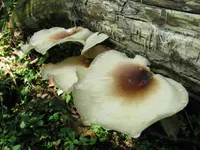
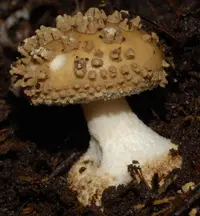
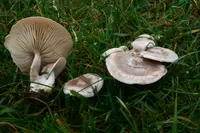
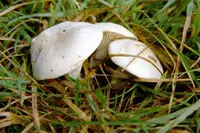
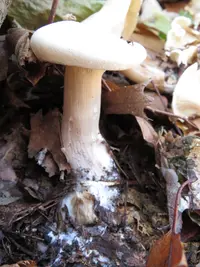
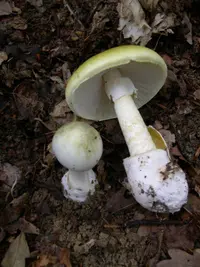
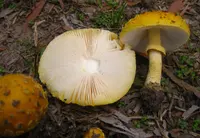
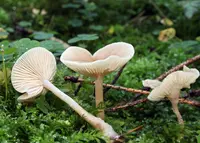
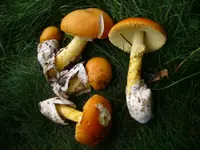
Fragrant funnel, Clitocybe fragrans, is a small, white to pale cream mushroom with a funnel-shaped cap and slender stem, often forming groups on forest floors. It is a true fungus rather than a leafy plant and appears mainly in temperate woodlands, especially in Europe and parts of North America.

The species is known for its pleasant anise-like scent, which helps in field identification but does not guarantee safety for consumption. It typically grows in leaf litter or grassy areas with consistent moisture and organic-rich soil. For anyone trying to care for Fragrant Funnel in cultivation, controlled humidity, cool temperatures, and clean, decaying plant material are key considerations.

Main Plant Requirements

Care Difficulty

Moderate Care

Light Preference

Partial Shade

Water Requirements

Moderate Water

Temperature Preference

Cool Climate

Hardiness Zone

Unknown

Soil Texture

Loamy, Organic-rich

Soil pH

Slightly acidic (6.5–7.0)

Soil Drainage

Moist but well-drained

Fertilization

Minimal (feed rarely)

Get Personalized Care Plan

Scan your plant to receive care tips personalized for your specific plant

Available on iOS and Android

How to Care for the Fragrant Funnel

This fungus prefers soft, woodland-type light rather than strong, open-field sun.

  • Provide dappled or filtered light under deciduous trees, with 2–4 hours of gentle morning sun and shade or broken light the rest of the day.
  • Avoid intense midday or afternoon sun; prolonged direct exposure can dry the substrate and reduce Fragrant Funnel fruiting.
  • In summer, ensure leaf litter or low vegetation offers shade; in late autumn, lower sun intensity is usually sufficient even with more open canopy.

Moist but not waterlogged conditions support reliable fruiting of this woodland fungus.

  • Maintain evenly moist soil or leaf litter; the top 2–3 cm should feel damp but not soggy when checked by hand.
  • Increase watering or moisture supplementation during dry spells so that organic matter does not fully dry and crack, especially in late summer and early autumn.
  • Avoid standing water or compacted, poorly drained soils; waterlogging encourages rot, foul odor, and a collapsed, mushy texture of Clitocybe fragrans clusters.

Cool to mild conditions favor the development and persistence of fruiting bodies.

  • Optimal growth and fruiting typically occur around 50–65°F (10–18°C), common in autumn woodland environments.
  • Fruiting bodies tolerate light chill down to about 32°F (0°C) but may be damaged or disappear after harder freezes below 28°F (-2°C).
  • Prolonged heat above 75°F (24°C), especially when combined with dry air, shortens mushroom lifespan and can halt new formation until temperatures drop again seasonally.

This species tolerates a fairly wide humidity range but fruits best in moderately moist air.

  • Aim for 60–80% humidity around developing fruiting bodies while keeping the substrate itself evenly moist rather than wet.
  • Tolerates short periods of drier air, but very low humidity slows fruiting and can cause caps to crack or edges to curl.
  • Increase humidity locally by using a perforated plastic cover or humidity tent that allows some air exchange and prevents condensation dripping.

Clitocybe fragrans needs a loose, moist, humus-rich substrate that drains freely yet does not dry out quickly.

  • Use a fine-textured mix based on well-rotted leaf litter, composted wood chips, and a small amount of garden loam to mimic forest floor conditions.
  • Ensure rapid drainage by avoiding heavy clay; mix in coarse sand or fine perlite at 10–20% of volume if water lingers on the surface.
  • Keep pH slightly acidic to neutral, around 5.5–7.0, avoiding liming materials that could push the substrate toward strongly alkaline conditions.
  • Maintain aeration by keeping the substrate loosely packed; do not tamp it down, and avoid waterlogging that displaces air from pore spaces.

This fungus can be grown in containers when the substrate depth and moisture control are carefully managed.

  • Choose a wide, shallow tub or tray to provide broad colonization area while keeping the substrate layer 8–15 cm deep for stable moisture distribution.
  • Use a rigid, opaque container that limits light on the substrate sides, which helps maintain a cooler, more forest-like microclimate.
  • Drill side ventilation holes above substrate level to improve gas exchange without letting the surface dry out as quickly as fully open containers.

Clitocybe fragrans is a wild, non-cultivated fungus that does not require targeted fertilization in gardens or containers.

Clitocybe fragrans does not need horticultural pruning, as it is a wild mushroom that completes its life cycle naturally.

This fungus is not suited to standard repotting or transplanting, as it lives in soil or leaf litter rather than behaving like a potted plant.

  • Only attempt relocation by moving intact soil or leaf-litter blocks that already contain the mycelium, keeping them undisturbed.
  • Carry out any move in cool, moist weather to reduce drying and mechanical damage to the fungal network.
  • Avoid breaking, shaking, or washing the substrate, since mycelial strands are fine and easily torn.
  • After relocation, maintain consistent moisture in the new site and avoid compaction or heavy foot traffic over the area.

Practical home propagation of Clitocybe fragrans is difficult and not recommended, as it is a wild, mycorrhizal-style fungus with complex ecological needs.

No specific winter care is needed for this cold-tolerant wild fungus, which naturally fruits and persists through cool seasons.

Care Tips

Precise habitat ID

Before collecting, confirm the fungus is on conifer litter in cool weather and cross-check with multiple identification keys, since safe growing Fragrant Funnel practices start with avoiding confusion with toxic lookalikes.

Clean collection tools

Use a dedicated knife and breathable basket, and brush off debris in the field so spores can fall back into the habitat while reducing the risk of spreading pathogens between sites.

Spore-print verification

Take a spore print on both white and dark paper at home after collection, and store only those specimens that match the expected spore color while discarding any uncertain samples.

Segmented storage

Refrigerate fresh caps in shallow, aerated containers lined with paper towels, keeping each collection site in a separate, labeled box to reduce cross-contamination and simplify later quality checks.

Rapid post-harvest processing

Process or cook harvested material within 12–24 hours, trimming away any waterlogged, insect-damaged, or discolored tissue to maintain food safety and overall quality when caring for Fragrant Funnel.

Common Pests and Diseases

Maggot infestation

This pest uses the mushroom caps as an egg‑laying site, and the larvae tunnel through the flesh. Symptoms include soft, spongy tissue with small holes or visible white maggots when caps are cut open.

Solution

Collect and discard infested fruiting bodies promptly and avoid leaving over‑mature mushrooms on site, as these attract more egg‑laying flies. Where cultivation is attempted, use fine insect mesh over beds and harvest caps young to reduce infestation levels.

Slugs and snails

These pests feed on young and mature fruiting bodies, leaving irregular holes, rasped surfaces, and slime trails on and around the mushrooms.

Solution

Hand‑pick slugs and snails in the evening, remove nearby hiding places such as dense debris, and maintain slightly drier surface conditions if possible. In cultivation or garden settings, use barriers such as copper tape or sharp grit rings and, if needed, place iron phosphate slug baits away from the mushrooms according to label directions.

Mite colonization

These insects sometimes colonize caps and gills, grazing on spore tissue or decaying mushroom flesh and causing a powdery, pitted, or uneven surface.

Solution

Remove and dispose of heavily colonized fruiting bodies to reduce the local mite population. In controlled cultivation, improve hygiene by removing old substrate and debris, and maintain good air movement and moderate humidity to make conditions less favorable for mites.

Competing molds

This disease arises when other fungi colonize the same substrate, creating patches of green, blue, or gray mold that distort or suppress mushroom development.

Solution

Discard any fruiting bodies and substrate heavily overgrown with mold and avoid walking mold spores into clean areas. During intentional cultivation, start with clean substrate, avoid over‑wet conditions, and increase airflow so the preferred fungus can occupy the substrate more strongly and outcompete contaminants.

Interesting Facts

Strong anise scent

Fresh fruiting bodies emit a distinct sweet anise or fennel-like odor caused by volatile aromatic compounds, which can persist even after the mushroom is dried.

Cool-season fruiting

This species typically fruits in late autumn to early winter in temperate regions, often appearing after the first frosts when many other mushroom species have already disappeared.

Fairy ring formation

It often grows in arcs or complete circles known as fairy rings, as the underground mycelium expands outward through the soil or leaf litter over several seasons.

FAQs about Fragrant Funnel

This mushroom is considered inedible by many sources due to its small size, limited flesh, and potential for confusion with toxic white Clitocybe species. It should not be collected for eating or culinary use.

Grow Healthy Plants with Botan Care

Keep your plants happy and healthy with plant identification, disease detection, and easy care guidance.

Botan plant care app — identify plants on mobile

Explore More Plants