death cap Care (Amanita phalloides)

Also known as: Euro-Asian Death Cap
death cap

About death cap

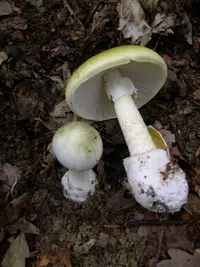
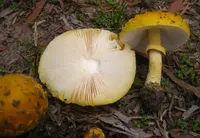
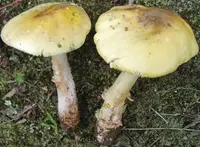
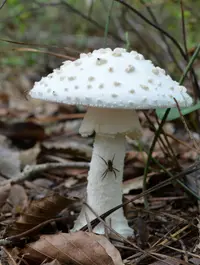
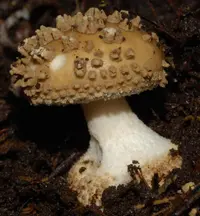
The death cap, Amanita phalloides, is a highly toxic mushroom-forming fungus, not a typical houseplant. It produces pale green to yellowish caps with white gills and a thick white stem, often with a cup-like base. It commonly grows in forests and parklands, forming symbiotic relationships with tree roots, especially oaks.

This species occurs widely in Europe and has spread to North America and other regions through introduced trees. It is difficult to cultivate intentionally because it depends on living host trees and specific soil relationships, so most growers do not attempt to care for death cap at home.


Main Plant Requirements

Care Difficulty

Hard Care

Light Preference

Partial Shade

Water Requirements

Keep Soil Moist

Temperature Preference

Cool Climate

Hardiness Zone

Unknown

Soil Texture

Loamy, Silty, Organic-rich

Soil pH

Acidic (5.5–6.5), Slightly acidic (6.5–7.0)

Soil Drainage

Moist but well-drained

Fertilization

Minimal (feed rarely)

Get Personalized Care Plan

Scan your plant to receive care tips personalized for your specific plant

Available on iOS and Android

How to Care for the death cap

This fungus fruits best in shaded woodland conditions rather than direct open sun.

  • Aim for dappled or filtered light under broadleaf trees, with only 1–2 hours of weak direct sun, usually early morning.
  • Sites with bright shade or forest edge light work, but avoid exposed midday and afternoon sun, which can dry the soil surface and suppress death cap fruiting.
  • In summer, choose north- or east-facing woodland margins; in winter, thinner canopy allows 2–4 hours of low-angle light without harm.

This mycorrhizal fungus depends on consistently moist, not saturated, woodland soil.

  • Maintain soil that feels evenly damp 5–10 cm down during the main fruiting season, avoiding standing water or swampy spots that limit oxygen to the roots and fungal mycelium.
  • Allow the surface 1–2 cm of soil to partially dry between rains or irrigation, using leaf litter or mulch to slow evaporation and stabilize moisture levels.
  • In warm, dry periods, moisture stress shows as shrinking or aborting caps, while overwatering or poor drainage causes foul odor, slimy caps, and prolonged puddling.

This species favors mild, temperate conditions and reacts poorly to hard frost or extreme heat.

  • Optimal fruiting typically occurs around 55–70°F (13–21°C), when nights are cool and days are mild in late summer to autumn.
  • Vegetative mycelium in soil can persist down to about 25–30°F (-4 to -1°C), but repeated hard freezes reduce fruiting of Amanita phalloides.
  • Sustained heat above 80–85°F (27–29°C) with dry soil sharply limits fruiting; cooler, moist autumn weather with gradual temperature decline supports more reliable emergence.

Humidity control is not a practical lever for managing Amanita phalloides, which forms outdoor mycorrhizal relationships rather than behaving like a typical houseplant.

This fungus relies on specific outdoor soils and tree partners, so soil preparation focuses on structure, drainage, and chemistry rather than potting mixes.

  • Prefers well-drained, moderately moist, humus-rich loamy soils often found under oaks, beeches, and other broadleaf trees.
  • Thrives in slightly acidic to neutral conditions around pH 5.5–7.0; avoid highly alkaline or heavily limed sites.
  • Organic leaf litter and decaying wood fragments support its natural habitat structure better than compost-heavy or fertilized garden beds.
  • Avoid compacted, waterlogged, or highly disturbed soils, which disrupt the fine root–fungus contact needed by Amanita phalloides.

This species is not suitable for container growing, since its life cycle depends on forming mycorrhizas with living trees in open soil.

Amanita phalloides is a wild mycorrhizal fungus that does not need or benefit from standard garden fertilization.

Pruning is not relevant for Amanita phalloides, as it is a wild mushroom rather than a garden plant.

Transplanting Amanita phalloides is generally unsuitable and not recommended, as it depends on complex mycorrhizal relationships with host tree roots.

  • In nature the fungus spreads underground via mycelium connected to compatible trees, not by conventional transplanting methods.
  • Disturbing soil around known colonies can damage both the fungus and tree roots, so sites are usually left undisturbed.
  • Attempting to move colonized soil or young mushrooms often fails because the fine root–fungus connections do not re-establish well.

Propagation of Amanita phalloides is not recommended and is rarely attempted outside scientific work due to its extreme toxicity and ecological risk.

No specific winter care is appropriate, as Amanita phalloides is a wild, cold-hardy forest fungus adapted to local climate cycles.

Care Tips

Host tree selection

Choose and establish suitable host trees such as oak, beech, chestnut, or pine in neutral to slightly alkaline soil several years before attempting growing death cap, because the fungus depends on stable ectomycorrhizal associations with mature roots.

Minimal soil disturbance

Avoid tilling, deep digging, or frequent raking under potential host trees so that the fine mycorrhizal root-fungus network remains intact and can continue to support mushroom formation year after year.

Leaf litter management

Maintain a thin but continuous layer of mixed hardwood leaf litter and small twigs over the root zone to buffer moisture and temperature, but remove dense mats or grass clippings that become waterlogged and anaerobic.

Controlled irrigation zone

If supplementary watering is used in dry periods, irrigate broadly over the root zone rather than directly where mushrooms emerge, using low-pressure soaker hoses to keep the mycelium moist without collapsing developing fruiting bodies.

Long-term site monitoring

Keep written records and photos of host tree health, rainfall, temperature patterns, and fruiting times so that subtle changes in site conditions and the long establishment cycle of the fungus can be better understood and managed.

Common Pests and Diseases

fungal mycoparasites

This disease involves parasitic fungi that colonize the fruiting body and distort or arrest cap and gill development. Symptoms include misshapen caps, discolored or patchy surfaces, and rapid breakdown of the mushroom tissue.

Solution

Remove and discard parasitized fruiting bodies as soon as they are noticed to reduce local spore load, and avoid disturbing infected specimens to limit spread in the immediate area. Maintaining good forest floor hygiene in managed sites, such as removing heavily decomposed organic waste around infected clusters, can slightly reduce recurrence, although full control outdoors is rarely practical.

slugs and snails

These pests feed on the caps and stems, leaving ragged holes, slime trails, and sometimes consuming entire young mushrooms overnight. This damage can prevent accurate identification and accelerates decay of the remaining tissue.

Solution

Hand-pick slugs and snails around fruiting patches during damp evenings and use simple barriers like copper tape, rough sand, or crushed eggshell rings around valued observation areas. In managed gardens or study plots, beer traps or iron phosphate slug baits placed away from where mushrooms emerge can reduce feeding pressure without directly treating the mushrooms.

fungivorous fly larvae

These insects lay eggs on developing mushrooms; the larvae tunnel through the cap and stem, causing soft, waterlogged tissue and premature collapse. Symptoms include small entry holes, spongy texture, and maggots visible inside cut tissue.

Solution

Harvest or remove mature and overmature mushrooms promptly to reduce egg-laying opportunities and local fly populations. Fine mesh covers over selected fruiting bodies in research or teaching settings can protect specimens, though in open woodland conditions control is mostly limited to timely removal of heavily infested mushrooms.

bacterial soft rot

This disease causes localized wet, slimy spots on the cap or stem that quickly spread, leading to foul odor and collapse of the fruiting body. Symptoms include translucent, water-soaked tissue and rapid liquefaction in warm, wet weather.

Solution

Remove and dispose of affected mushrooms at the first sign of slimy decay to limit bacterial spread on surfaces and nearby specimens. In sites under some management, avoid excessive trampling and compaction that hold water around fruiting bodies, and do not handle damaged mushrooms and healthy ones with the same unwashed tools or gloves.

Interesting Facts

Extremely stable toxins

Its main toxins, amatoxins, are heat-stable and are not destroyed by normal cooking or drying, which means the mushroom remains highly poisonous even after thorough preparation.

Delayed symptom onset

Poisoning typically shows a symptom-free period of 6–24 hours after ingestion, followed by severe gastrointestinal distress and then apparent recovery, which often delays medical treatment while liver and kidney damage continue to progress.

Invasive forest symbiont

This species forms ectomycorrhizal partnerships with tree roots and has spread far beyond its native range in Europe, establishing invasive populations with oaks, pines, and other trees in North America, South America, Australia, and parts of Africa.

Botan icon

Did you know?

Historical and forensic evidence has associated this mushroom with several suspected accidental and intentional poisonings of notable individuals in Europe, which contributed to its reputation as one of the most dangerous mushrooms known.

FAQs about death cap

This species is extremely toxic to humans and animals. Even small amounts can cause fatal liver and kidney failure. Never eat wild mushrooms unless identified as safe by an expert mycologist, and keep pets away from fruiting bodies.

Grow Healthy Plants with Botan Care

Keep your plants happy and healthy with plant identification, disease detection, and easy care guidance.

Botan plant care app — identify plants on mobile

Explore More Plants