Lawn disturbance management
To reduce recurring fruiting in lawns, lightly core-aerate and top-dress with compost so the turf becomes denser and less favorable for mushroom formation without resorting to heavy chemical use.

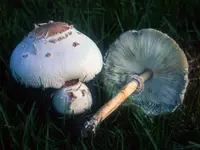
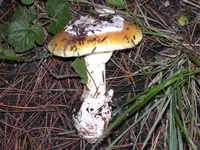
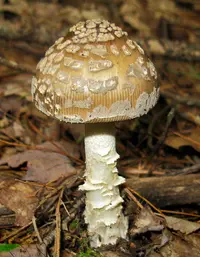
The false parasol, Chlorophyllum molybdites, is a large, gilled mushroom often found in lawns, parks, and disturbed grassy areas. It is not a houseplant and appears naturally outdoors. Caps start smooth and pale, then develop brownish scales, while the gills turn a greenish color as spores mature. It commonly forms rings or clusters in turf. This species is widespread in warm and temperate regions, especially in the southern and central United States. It thrives in moist, nutrient-rich soil after rain and is relatively easy to encounter but not desirable to cultivate. Gardeners do not usually care for false parasol, as it is a poisonous lawn mushroom rather than an ornamental plant.

Care Difficulty
Moderate Care

Light Preference
Partial Sun

Water Requirements
Moderate Water

Temperature Preference
Warm Climate

Hardiness Zone
8–11

Soil Texture
Loamy, Sandy, Organic-rich

Soil pH
Slightly acidic (6.5–7.0), Neutral (7.0)

Soil Drainage
Moist but well-drained

Fertilization
Minimal (feed rarely)
Scan your plant to receive care tips personalized for your specific plant
Available on iOS and Android
This toxic lawn mushroom thrives in open, bright outdoor conditions with ample direct sun.
This species favors consistently moist, well-drained soil and responds quickly to changing moisture levels.
This warm-season lawn fungus develops most vigorously in mild to hot conditions with sufficient soil moisture.
Humidity is not a meaningful factor for false parasol, which is an outdoor, turf-dwelling mushroom rather than a houseplant.
This lawn fungus thrives in moist, organically enriched turf soils rather than prepared potting mixes.
This species is not suitable for container growing and is not managed as a cultivated plant.
This toxic lawn mushroom is not cultivated as an ornamental or crop, so routine fertilization is unnecessary.
Chlorophyllum molybdites is not managed as a garden plant, so intentional pruning is generally unnecessary.
This species is usually a spontaneous lawn fungus, not a container plant, so transplanting is rarely appropriate.
Intentional propagation of this poisonous fungus is strongly discouraged and not part of responsible Chlorophyllum molybdites care.
This lawn fungus is naturally hardy in mild to warm climates and does not need deliberate winter care.

Plant Health Check
Not sure what's wrong with your plant? Check your plant's health inside the app.
Unlike most white-gilled mushrooms, this species drops greenish spores that often stain the gills a dull green as it matures, which is a key identification feature for mycologists and for anyone trying to avoid it when foraging.
It thrives in fertilized, well-watered lawns, parks, and golf courses across warm and subtropical regions, often appearing in large flushes after summer rains and forming scattered troops or partial fairy rings.
This mushroom is a leading cause of mushroom poisoning in North America and parts of Asia, producing toxins that trigger intense vomiting and diarrhea but usually do not cause liver failure like deadly Amanita species.

DNA-based studies have helped clarify the position of this species within the Agaricaceae family, showing that its green spores and toxicity evolved within a group that also includes several edible lawn mushrooms, which increases the risk of misidentification by novice foragers.
This mushroom is highly poisonous if eaten and is a common cause of yard mushroom poisonings. Symptoms include severe vomiting, diarrhea, and abdominal pain. Children and pets are especially at risk and should be kept away.
Keep your plants happy and healthy with plant identification, disease detection, and easy care guidance.