Wood Woolly-foot Care (Collybiopsis peronata)

Wood Woolly-foot

About Wood Woolly-foot

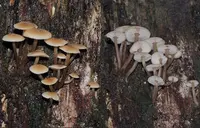
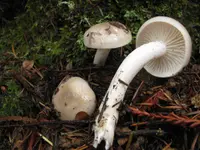
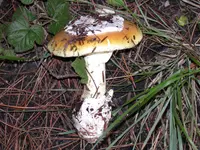
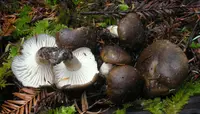
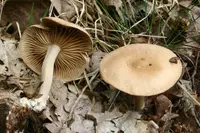
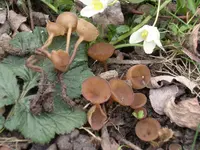
Wood woolly-foot, Collybiopsis peronata, is a small saprophytic fungus that decomposes fallen hardwood leaves and twigs in temperate forests. It forms dense groups of slender stems topped with modest, pale to tan caps. The stems often show a distinct woolly or fuzzy coating near the base, which gives this species its common name. It typically occurs on leaf litter in beech, oak, and mixed woodlands across parts of Europe and North America. In cultivation it can be challenging, as it depends on a stable supply of suitable forest litter and cool, moist, shaded conditions. Most home growers simply observe it in the wild rather than attempt to care for Wood Woolly-foot.

Main Plant Requirements

Care Difficulty

Moderate Care

Light Preference

Partial Shade

Water Requirements

Regular Water

Temperature Preference

Cool Climate

Hardiness Zone

Unknown

Soil Texture

Loamy, Organic-rich

Soil pH

Acidic (5.5–6.5)

Soil Drainage

Moist but well-drained

Fertilization

Minimal (feed rarely)

Get Personalized Care Plan

Scan your plant to receive care tips personalized for your specific plant

Available on iOS and Android

How to Care for the Wood Woolly-foot

This wood-inhabiting fungus favors cool, shaded forest habitats with only brief periods of direct light.

  • Provide dappled or filtered light under trees, with no more than 1–2 hours of weak morning sun and full shade for the rest of the day for Wood Woolly-foot.
  • Avoid strong midday or afternoon sun, which can dry the substrate quickly and damage delicate fruiting bodies on exposed logs or stumps.
  • In summer, choose north- or east-facing woodland edges; in winter, ensure the site still receives ambient light but remains shaded from low, direct sun.

Collybiopsis peronata relies on consistently moist but not waterlogged woody substrate rather than direct watering of the fruiting bodies.

  • Maintain evenly moist leaf litter and decaying wood, allowing the top 1–2 cm to feel just slightly dry before rewetting with gentle irrigation or natural rainfall.
  • Ensure excellent drainage so water does not pool around logs; standing water encourages competing molds and can rot the substrate too quickly.
  • In dry or hot periods, lightly moisten the surrounding woodland floor when it feels dry to the touch, but avoid heavy soaking that leaves the area soggy for more than 24 hours.

This species develops best in cool to mild conditions typical of shaded woodlands.

  • Aim for 50–68°F (10–20°C) as the main fruiting range, with the most reliable development in consistently cool, damp weather.
  • Tolerates short dips to about 37–40°F (3–4°C) and mild frosts, but prolonged freezing or hard ground greatly reduces fruiting.
  • Above 75°F (24°C), especially with low humidity, fruiting bodies dry and abort quickly, so prefer shaded, humid forest microclimates during hot seasons.

Humidity is not a major factor for Collybiopsis peronata compared with moisture and substrate conditions.

This fungus prefers consistently moist, well-structured forest-type substrate rather than conventional potting soil.

  • Use a loose, organic-rich mix based on leaf litter, fine bark, and well-rotted wood pieces to mimic decaying woodland debris.
  • Ensure rapid drainage by avoiding dense clay and peat-only mixes; water should pass through within seconds without pooling on the surface.
  • Aim for slightly acidic to neutral conditions, around pH 5.5–7.0, typical of many hardwood forest floors.
  • Improve aeration and structure with added bark fines or coarse wood chips, avoiding sand that compacts and reduces pore space.

This species is not well suited to decorative container growing and is best maintained in outdoor, wood-rich beds or logs.

Collybiopsis peronata is a woodland decomposer fungus that gains nutrients from decaying wood and generally does not benefit from added fertilizer in cultivation.

Collybiopsis peronata does not require conventional pruning, but limited cleanup can support observation and hygiene in cultivated or monitored patches.

  • Remove only obviously moldy, rotten, or insect-infested fruiting bodies using clean gloves or scissors to reduce pathogen spread.
  • Avoid cutting into the supporting wood substrate, since this damages the habitat the mycelium depends on.
  • Collect spent mushrooms carefully if monitoring spore release or growth patterns, leaving some intact for natural reproduction.

This fungus grows on dead or decaying wood rather than in pots, so care focuses on refreshing or relocating its woody substrate rather than classic repotting.

  • Transplant only if the colonized log or branch is deteriorating excessively or needs moving for space, safety, or study access.
  • Shift the entire piece of colonized wood to a new shaded, cool, and consistently moist location, disturbing it as little as possible.
  • Position the wood in contact with leaf litter or forest duff to maintain humidity and support ongoing decomposition.
  • Avoid cutting or breaking the substrate, since this can interrupt the mycelial network and slow further development.

Reproducing Collybiopsis peronata is specialized work and is usually left to natural spore dispersal rather than intentional propagation by home growers.

This woodland fungus is naturally cold hardy in much of its range and usually needs no specific winter care beyond stable habitat conditions.

  • Leave colonized wood in place outdoors so the mycelium experiences normal seasonal cycles, including freezing and thawing.
  • Maintain a loose layer of leaf litter over and around the substrate to moderate temperature swings and moisture loss.
  • Avoid moving or splitting frozen logs, as mechanical damage during hard frost can disrupt the internal mycelial network.

Care Tips

Substrate renewal

Rotate and replace sections of the woody substrate every 1–2 seasons so fresh, undecayed wood is always available to support ongoing Collybiopsis peronata care.

Moisture zoning

Create zones of slightly different moisture levels within the same container or bed by varying wood thickness and bark coverage, so mycelium can spread into the micro-zone that best matches current humidity and temperature.

Shaded edge management

Use leaf litter or small bark chips along the edges of the growing area to buffer against drying winds and sunflecks, reducing stress on exposed mycelium near the perimeter.

Clean tool protocol

Disinfect knives, saws, and other tools before cutting or adding wood pieces to the culture to reduce the introduction of competing fungi and opportunistic pathogens.

Staggered wood inoculation

Introduce new sterilized or pasteurized wood pieces in small batches over several months rather than all at once, which encourages gradual colonization and stabilizes the micro-ecosystem when growing Wood Woolly-foot.

Common Pests and Diseases

Mycophagous springtails

These insects feed on fungal tissue, especially gills and young caps, leaving pitted or scalloped areas on the fruiting bodies. This pest is most active in very moist, organic-rich substrates where Collybiopsis peronata fruit bodies develop.

Solution

Reduce excess moisture in the fruiting area, increase ventilation around wood and leaf litter, and avoid overwatering nearby irrigation zones. For heavy infestations, gently remove and discard heavily damaged mushrooms and use sticky traps or targeted soil-safe insecticidal products around, not on, the fungal clusters.

Fungus gnat larvae

This pest tunnels into developing fruit bodies and stem bases, causing distorted growth, soft patches, and premature collapse of mushrooms. Adults are small flying gnats that hover around moist, shaded habitats rich in decaying wood and leaf litter.

Solution

Allow the upper layer of surrounding organic matter to dry slightly between irrigations and improve airflow to make conditions less favorable. Remove and discard infested fruit bodies and, if needed, apply a biological control with Bacillus thuringiensis israelensis (BTI) granules to the substrate to reduce larval populations without harming the broader woodland ecosystem.

Parasitic Corticium-like fungi

This disease causes a white, cobwebby to crust-like mycelial overgrowth at the base or surface of Collybiopsis peronata fruit bodies, sometimes leading to deformation and rapid decay. Symptoms include a felted coating that spreads across clustered caps where humidity is high and air movement is low.

Solution

Promptly remove and discard affected fruit bodies and associated woody debris to reduce inoculum. Improve air circulation, thin dense leaf litter around fruiting sites, and avoid constant overhead watering of adjacent vegetation to reduce the prolonged surface wetness that favors these parasitic basidiomycetes.

Bacterial cap blotch

This disease produces water-soaked, slimy, darkened spots on caps, especially after warm, wet periods or repeated leaf surface wetness. Symptoms include rapid softening and collapse of affected tissue, often with a sour odor as decomposition accelerates.

Solution

Remove and dispose of symptomatic mushrooms and reduce mechanical damage to caps, which opens entry points for bacteria. Limit prolonged wetting of the fruiting area by adjusting irrigation timing to early morning, and increase airflow by lightly thinning surrounding ground cover so surfaces dry more quickly after rain or watering.

Interesting Facts

Distinct woolly stem

This fungus is easily recognized by the dense white, wool-like hairs that cover the stem base, a feature that inspired the common name wood woolly-foot and helps distinguish it from similar small brown mushrooms on leaf litter.

Late-season fruiting

It typically fruits in autumn, often extending into early winter in mild climates, producing tough, leathery caps that can persist for a long time on decaying wood and deep leaf litter in broadleaf forests.

Saprotroph on leaf litter

This species is a saprotroph, meaning it feeds on dead organic material, and it plays a role in breaking down hardwood leaf litter and small woody debris, contributing to nutrient cycling in forest ecosystems.

Botan icon

Did you know?

Molecular research has shown that this species, long known under the name Gymnopus peronatus, belongs in the genus Collybiopsis, illustrating how DNA-based studies have reshaped the classification of many small, brown leaf-litter fungi.

FAQs about Wood Woolly-foot

This small woodland mushroom is generally regarded as inedible. It is tough, with poor texture and no culinary value. It is not known as dangerously poisonous, but eating unidentified wild fungi always carries a real risk.

Grow Healthy Plants with Botan Care

Keep your plants happy and healthy with plant identification, disease detection, and easy care guidance.

Botan plant care app — identify plants on mobile

Explore More Plants