Collybia eucalyptorum Care

About Collybia eucalyptorum

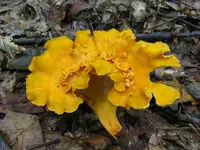
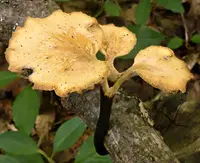
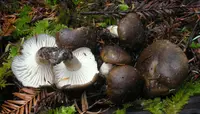
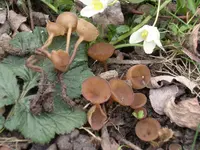
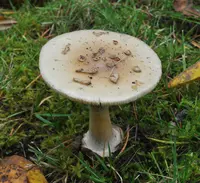
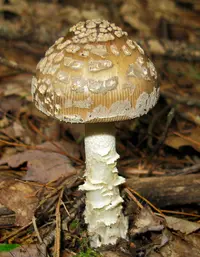
Collybia eucalyptorum is a small saprotrophic fungus, not a leafy houseplant, known for fruiting on fallen eucalyptus leaves and bark. It forms clusters of thin-stemmed mushrooms with smooth, pale to brownish caps.

This species is typically found in eucalyptus groves, especially in regions where these trees are common, such as parts of Australia and areas with planted eucalyptus. It relies on decaying organic matter rather than traditional soil.

Because it is specialized to eucalyptus litter and specific moisture conditions, it is not an easy species to cultivate at home. Anyone wanting to learn how to care for Collybia eucalyptorum should understand its dependence on consistent humidity and access to fresh eucalyptus debris.

Main Plant Requirements

Care Difficulty

Moderate Care

Light Preference

Shade

Water Requirements

Keep Soil Moist

Temperature Preference

Warm Climate

Hardiness Zone

Unknown

Soil Texture

Organic-rich, Peaty, Loamy

Soil pH

Acidic (5.5–6.5)

Soil Drainage

Moist but well-drained

Fertilization

Minimal (feed rarely)

Get Personalized Care Plan

Scan your plant to receive care tips personalized for your specific plant

Available on iOS and Android

How to Care for the Collybia eucalyptorum

This fungus thrives in shaded woodland conditions with only brief indirect sunlight reaching the substrate.

  • Aim for deep shade to dappled light, such as beneath eucalyptus canopies, with no more than 1–2 hours of weak morning sun filtering through foliage.
  • Avoid direct midday or afternoon sun, which quickly overheats the substrate and dries surface wood or litter, reducing fruiting of Collybia eucalyptorum.
  • In summer, provide extra shade using leaf litter or branches; in cooler seasons, slightly brighter but still filtered light is acceptable as long as the substrate stays moist.

Moist, never waterlogged conditions are critical for reliable fruiting and mycelium health.

  • Keep the host wood or leaf litter evenly moist; rewet when the upper 1–2 cm feel just starting to dry, focusing on soaking the substrate rather than the caps.
  • Use well-drained, organic-rich material so excess water can run off; sustained puddling, sour odors, or slimy surfaces indicate overwatering and low oxygen.
  • In warm or windy weather, monitor moisture more often, while in cool, damp seasons irrigation may be minimal if natural rainfall keeps the substrate consistently moist.

This species prefers cool to mild conditions and declines in sustained heat or hard frost.

  • Aim for an active growth and fruiting range of 50–68°F (10–20°C), which matches typical cool, moist woodland environments.
  • Short drops to about 40°F (4–5°C) are usually tolerated, but repeated freezes below 32°F (0°C) can damage fruiting bodies and slow mycelial activity.
  • Extended exposure above 77–82°F (25–28°C), especially in dry air, risks substrate drying and reduced fruiting, so prioritize shade and moisture retention during hot spells.

This fungus relies more on substrate moisture than air humidity, but ambient humidity still influences fruiting quality.

  • Aim for 60–80% air humidity around developing caps, avoiding prolonged drops below 50%.
  • Excessively dry air leads to small, cracked, or prematurely shriveling fruiting bodies on otherwise moist wood or mulch.
  • Increase local humidity by lightly misting the surrounding air, using a humidity tent, or placing trays of damp perlite nearby.

Collybia eucalyptorum is a wood- and litter-inhabiting fungus, so it fruits best on moist, well-aerated, organic substrates rather than mineral garden soil.

  • Provide a deep layer of decomposing eucalyptus litter, fine bark, and wood chips, kept evenly moist but never waterlogged.
  • Substrate must drain freely; excess standing water quickly reduces oxygen and encourages anaerobic, foul-smelling rot.
  • A slightly acidic to neutral environment around pH 5.5–7.0 supports stable decomposition and fungal activity.
  • Improve aeration by mixing in coarse bark or chipped wood, and avoid compacted clay, dense loam, or plastic-lined beds that trap water.

This species is not well suited to typical ornamental container culture and is better maintained in larger outdoor beds or naturalistic substrates.

This wood-decay fungus gains most nutrients from its substrate and usually needs no additional fertilization in garden or cultivation settings.

Pruning is not part of Collybia eucalyptorum care because the visible mushrooms are short-lived fruiting bodies, not structural plant growth.

Transplanting focuses on moving the colonized substrate rather than the short-lived mushrooms themselves.

  • Transplant only when the substrate block is fully colonized and growth slows or space is limiting.
  • Choose mild weather, avoiding extreme heat or cold that can stress the fungal mycelium.
  • Move intact pieces of colonized wood or substrate, disturbing the white mycelial network as little as possible.
  • Keep the new site evenly moist and shaded for several weeks to help the mycelium re-establish.

Propagation relies on spreading mycelium rather than handling individual mushrooms.

  • Use small pieces of colonized wood or substrate to inoculate fresh eucalyptus debris, keeping textures and moisture similar.
  • Carry out transfers in cool, moist conditions, often in spring or fall, to reduce desiccation risk.
  • Place new substrate in full shade to dappled shade, maintaining steady, moderate moisture without waterlogging.
  • Minimize exposure to direct sun and wind so the mycelial network can extend before fruiting resumes.

In most mild to cool climates, this fungus is naturally cold tolerant and needs little targeted winter care.

  • Leave leaf litter or wood debris in place to provide insulation and a stable microclimate for the mycelium.
  • Avoid frequent disturbance of colonized logs or mulch during freezing periods.
  • If grown in containers, keep the substrate just moist and sheltered from repeated freeze–thaw cycles.

Care Tips

Substrate rotation

Rotate and partially replace the eucalyptus leaf or bark substrate every 3–4 flushes to maintain fresh lignin-rich material and reduce the buildup of competing fungi and bacteria.

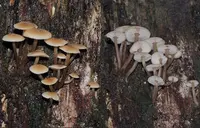
Thin crowded clusters

During flushes, remove overly dense or deformed clusters with clean scissors to improve air movement around remaining fruiting bodies and reduce the risk of rot at the substrate surface.

Targeted misting technique

Mist the air and enclosure walls around the culture rather than spraying caps directly, which keeps humidity high for growing Collybia eucalyptorum while limiting surface moisture that can promote bacterial blotch.

Use of pre-conditioned mulch

Pre-soak eucalyptus mulch or leaves for 24 hours, then drain and let it sit loosely covered for 3–5 days before inoculation to even out moisture and start gentle microbial conditioning that favors colonization.

Hygiene around fruiting zone

Disinfect tools and remove fallen plant debris or spoiled mushrooms from the fruiting area promptly to keep contamination pressure low and extend the productive life of the substrate block.

Common Pests and Diseases

Fruiting body maggots

This pest consists of fly larvae that tunnel through the mushroom caps and stems, feeding on the soft tissue. Symptoms include small entry holes, softening, and rapid collapse of fruiting bodies.

Solution

Harvest mushrooms promptly when mature and remove and discard any infested fruiting bodies to break the life cycle. Keep the fruiting area clean of old mushrooms and eucalyptus leaf debris, use fine insect mesh around cultivation beds if outdoors, and in controlled setups use yellow sticky traps to reduce adult fly numbers as part of overall Collybia eucalyptorum care instructions.

Fungal parasitism

This disease occurs when other fungi colonize and overgrow the mushroom clusters, often seen as different colored molds or distorted, stunted fruiting bodies. Symptoms include abnormal surface growth, off-colors, and premature decay.

Solution

Remove and discard affected clusters and nearby substrate as soon as contamination appears. Improve airflow, avoid overhead wetting of caps, reduce crowding of clusters, and maintain cleaner eucalyptus leaf substrate to limit competing fungi establishment.

Mite infestation

These insects are tiny arthropods that feed on the mushroom surface and gills, sometimes visible as fine moving specks. Symptoms include pitted caps, scarred surfaces, and reduced quality of fruiting bodies.

Solution

Physically remove heavily infested mushrooms and dispose of them away from the growing area. Reduce humidity peaks, clean surrounding leaf litter, and if needed use horticultural diatomaceous earth carefully around but not directly on moist caps to suppress mite movement while maintaining good ventilation.

Bacterial blotch

This disease causes water-soaked, greasy-looking spots on mushroom caps that turn yellow to brown and may lead to slimy decay. Symptoms include discolored patches and a wet, slick feel on affected areas.

Solution

Avoid water standing on caps by switching from overhead watering to targeted substrate moistening and spacing clusters to dry faster. Remove blotched mushrooms promptly, improve air circulation, and keep tools and containers clean to limit bacterial spread.

Interesting Facts

Eucalyptus leaf specialist

This saprotrophic fungus is closely associated with eucalyptus forests and is most often found fruiting on fallen eucalyptus leaves and litter, rather than on wood or soil in general woodland habitats.

Southern Hemisphere distribution

It has been documented primarily in eucalyptus-dominated regions of the Southern Hemisphere, especially in Australia, where it forms part of the characteristic decomposer community of these forests.

Role in leaf litter cycling

By breaking down tough eucalyptus leaf litter that contains high levels of aromatic compounds, this species contributes to nutrient recycling and soil formation in otherwise nutrient-poor forest floors.

FAQs about Collybia eucalyptorum

This small saprotrophic mushroom is considered inedible. It has insubstantial flesh, no culinary value, and is poorly studied toxicologically. For safety, it should not be collected or eaten, and mixed collections should be discarded.

Grow Healthy Plants with Botan Care

Keep your plants happy and healthy with plant identification, disease detection, and easy care guidance.

Botan plant care app — identify plants on mobile

Explore More Plants