Elegant Polypore Care (Cerioporus varius)

Elegant Polypore

About Elegant Polypore

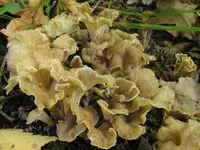
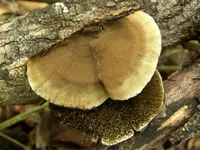
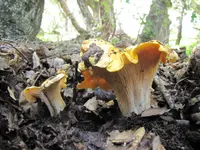
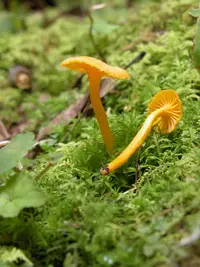
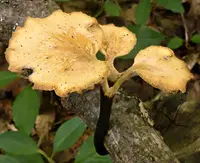
Elegant polypore, Cerioporus varius, is a small bracket fungus that grows on dead or decaying hardwood, especially beech and other broadleaf trees. It forms thin, fan-shaped caps with a smooth, often zoned upper surface and a pale pore layer underneath.

This species is saprobic, meaning it breaks down dead wood and helps recycle nutrients in forest ecosystems. It typically appears in clusters on fallen branches or standing dead wood in temperate regions of Europe, Asia, and North America.

Because it relies on decaying wood, it is not a typical houseplant, but some enthusiasts attempt to care for Elegant Polypore on sterilized wood logs in controlled, humid conditions.

Main Plant Requirements

Care Difficulty

Moderate Care

Light Preference

Partial Shade

Water Requirements

Keep Soil Moist

Temperature Preference

Cool Climate

Hardiness Zone

Unknown

Soil Texture

Loamy, Silty, Organic-rich

Soil pH

Acidic (5.5–6.5), Slightly acidic (6.5–7.0)

Soil Drainage

Moist but well-drained

Fertilization

Minimal (feed rarely)

Get Personalized Care Plan

Scan your plant to receive care tips personalized for your specific plant

Available on iOS and Android

How to Care for the Elegant Polypore

This bracket fungus prefers shaded woodland light rather than direct, open sun exposure.

  • Provide dappled or filtered light under trees, with 1–3 hours of weak morning sun and full shade by afternoon for stable development.
  • It tolerates deep shade but fruiting bodies of Elegant Polypore may be smaller or fewer in very low light, especially in dense summer canopy.
  • Avoid strong midday sun; exposed logs can dry rapidly and scorch, so favor north- or east-facing aspects and retain leaf litter for natural shading.

This wood-decaying fungus depends on consistent substrate moisture rather than traditional soil watering.

  • Allow the host wood surface to feel slightly damp but not soggy; visible pooling, slime, or sour odor on the log suggests excess moisture and poor aeration.
  • Increase moisture exposure in dry seasons by positioning the log where rainfall reaches it and humidity stays higher, such as near other vegetation or a shaded, mulched area.
  • Signs of underwatering include brittle, cracking fruiting bodies and very dry, lightweight wood; deeply dark, collapsing brackets often indicate prolonged saturation.

This species thrives in mild, temperate conditions and is often most active during cool, moist periods.

  • Optimal development occurs around 50–70°F (10–21°C), typical of shaded woodland in spring and fall when moisture and temperature are both moderate.
  • It tolerates cool conditions down to about 32°F (0°C), with fruiting bodies sometimes persisting through light frosts, though growth slows markedly near freezing.
  • Sustained heat above 82–86°F (28–30°C), especially combined with low humidity and full sun, can dry the substrate and shorten the lifespan of existing brackets.

This bracket fungus does not require managed air humidity, as it grows on exposed dead wood in open air.

Cerioporus varius occurs naturally on decaying wood rather than in soil, so cultivation focuses on a wood-based substrate.

  • Use a substrate of hardwood logs or sterilized hardwood chips instead of mineral soil, as the fungus is a wood decay specialist.
  • Ensure the wood or chip mix drains freely and is not waterlogged, since stagnant moisture encourages competing molds and bacteria.
  • Maintain a slightly acidic environment, around pH 5.0–6.5, by using untreated hardwood and avoiding limed or ash-rich materials.
  • Improve aeration by loosely packing chips or drilling ventilation holes in cultivation containers so air can move through the substrate.

This species can be grown in containers only when those containers are used to hold inoculated wood or wood-chip substrate rather than soil.

  • Choose a rigid, ventilated tub or bucket that can securely hold logs or a deep wood-chip layer without collapsing or tipping.
  • Drill side holes near the upper half of the container to allow gas exchange while keeping the lower substrate zone more consistently moist.
  • Raise the container on bricks or blocks so drainage holes stay clear and excess water can drain away quickly after rain or irrigation.

Cerioporus varius, known as Elegant Polypore, naturally grows on wood and typically does not require fertilization in cultivation.

Pruning Cerioporus varius focuses on hygiene and monitoring rather than shaping growth.

  • Carry out light cleanup at any time, preferably during dry weather to reduce fungal spread risk.
  • Remove dead, decayed, or insect-damaged brackets using clean, sharp pruning shears or a knife.
  • Trim only the affected fruiting bodies, leaving healthy surrounding bark or wood undisturbed.
  • Disinfect tools before and after use with alcohol or a 10% bleach solution to limit pathogens.

This wood-decay fungus is rarely grown in containers, so care focuses on positioning rather than classic repotting.

  • Move colonized wood when growth slows, fruiting declines, or the log becomes very decomposed and unstable.
  • Transplant in cool, moist weather so the mycelium, the main fungal body, stays hydrated and active.
  • Shift the colonized log or stump to a similar shaded, sheltered spot with comparable wood type if possible.
  • Handle the wood gently to keep the internal mycelial network intact and avoid splitting or heavy impact.

Propagation of Cerioporus varius is possible but usually done by specialists rather than casual growers.

  • Use spore-based techniques or transfer colonized wood rather than standard plant methods like cuttings.
  • For spores, provide sterile, moist wood-based substrate and stable cool to mild temperatures.
  • Introduce spores or small mycelium pieces under clean conditions to reduce contamination by other fungi.
  • Maintain consistent humidity and indirect light, avoiding waterlogging, until new brackets appear on the substrate.

This species is naturally cold hardy in temperate climates and generally needs no special winter care outdoors.

Care Tips

Use fresh logs

Inoculate only recently cut, healthy hardwood logs with tight bark, since older or decayed wood is often already colonized by competing fungi and will reduce your chances of growing Elegant Polypore successfully.

Drill pattern planning

Arrange spawn holes in offset rows around the log rather than in straight lines, as this improves colonization speed and produces a more even distribution of fruiting bodies.

Shaded stacking method

Stack inoculated logs in a low, stable crib or lean-to formation in a shaded, wind-sheltered spot so they keep moisture better and remain easy to inspect for contamination or drying.

Moisture monitoring test

Lift and tap logs periodically; a very light, hollow sound or visible bark cracking often indicates the wood is too dry and needs a thorough soak to restore adequate internal moisture for fruiting.

Hygienic inoculation

Disinfect drill bits and tools between batches of logs with 70% isopropyl alcohol and keep spawn covered as much as possible to limit contamination from other fungi and bacteria during inoculation.

Common Pests and Diseases

Wood-boring beetle larvae

This pest tunnels into the fruiting body and underlying wood, leaving small round exit holes and powdery frass on or below the bracket. Symptoms include weakening, crumbling tissue and irregular galleries inside the fungus.

Solution

Remove and discard heavily infested brackets to interrupt the life cycle, and avoid storing freshly collected brackets in warm, enclosed spaces where larvae can complete development. For cultivation on logs, keep wood off the ground on racks and maintain good airflow to make the habitat less favorable to beetle buildup.

Fungus gnats

These insects are attracted to moist, decaying wood and mycelium, where they lay eggs; larvae feed on fungal tissue and can scar or deform young brackets. This pest is most common in very damp growing setups or poorly ventilated indoor culture.

Solution

Reduce excess moisture by allowing the substrate surface to dry slightly between misting, and increase airflow with fans or vents. Use fine mesh over fresh air inlets, yellow sticky traps for adults, and, if needed in cultivation, apply a biological control such as Bacillus thuringiensis israelensis (Bti) to the substrate according to label directions.

Green mold (Trichoderma)

This disease appears as dense, bright to dark green patches of mold that overgrow the mycelium or the base of the brackets. This fungus competes for nutrients, slows growth, and can eventually suppress or replace the Elegant Polypore.

Solution

Promptly cut out and dispose of infected substrate sections and any heavily overgrown brackets, using clean tools. In cultivation, lower humidity slightly, improve air exchange, remove uncolonized or overly wet woody material, and start future batches from clean spawn and well-sterilized or properly pasteurized wood to reduce recurrence of Cerioporus varius care issues.

Bacterial soft rot

This disease causes wet, slimy, foul-smelling patches on the fruiting body, often starting where water collects. Symptoms include tissue collapse, discoloration, and rapid decay under warm, stagnant, high-humidity conditions.

Solution

Remove and discard affected brackets immediately, and avoid overhead watering or prolonged surface wetting of the fungus. Improve ventilation, reduce relative humidity slightly, and in culture setups disinfect tools and surfaces between harvests to prevent spreading the bacteria to new flushes.

Interesting Facts

Distinctive two-tone flesh

The fruiting bodies have a pale, soft upper flesh and a dark, almost black lower layer, which gives a sharply bicolored cross-section unusual among small polypores and helps separate it from similar bracket fungi in the field.

Slender, curved cap

This species forms thin, often gracefully curved caps with a velvety dark upper surface and pale pore surface beneath, frequently appearing as small fans or spoons on dead hardwood branches.

Specialist wood decomposer

It is a saprotrophic fungus that colonizes and decomposes dead hardwood, especially beech and other broadleaf trees, contributing to nutrient recycling in temperate forests through white rot, a process that breaks down lignin in wood.

Botan icon

Did you know?

Molecular research has shown that this fungus, long known under various genera such as Polyporus and Polyporellus, belongs in Cerioporus, illustrating how DNA-based studies have reshaped the taxonomy of many seemingly familiar bracket fungi.

FAQs about Elegant Polypore

This bracket fungus is generally regarded as inedible due to its tough, corky texture and lack of culinary value. It is not known to be dangerously poisonous, but it is not recommended for eating.

Grow Healthy Plants with Botan Care

Keep your plants happy and healthy with plant identification, disease detection, and easy care guidance.

Botan plant care app — identify plants on mobile

Explore More Plants