Cerrena hydnoides Care

Cerrena hydnoides

About Cerrena hydnoides

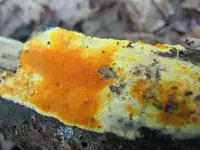
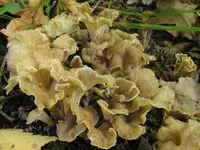
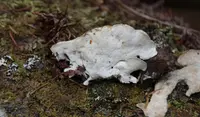
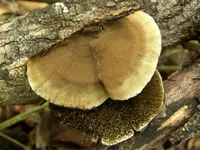
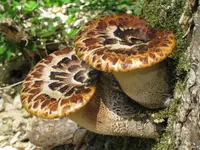
Cerrena hydnoides is a wood-decaying bracket fungus rather than a leafy houseplant. It forms thin, shelf-like caps with pale, often irregularly zoned surfaces and a textured, spiny underside. The fruiting bodies grow in overlapping tiers on dead or decaying hardwood. This species is typically found in humid forests of tropical and subtropical regions. It plays an important ecological role by breaking down lignin and cellulose in wood. For anyone interested in how to care for Cerrena hydnoides, conditions that mimic a shaded, consistently moist, well-ventilated forest environment are generally required, which makes it challenging for beginners to cultivate at home.

Main Plant Requirements

Care Difficulty

Moderate Care

Light Preference

Partial Shade

Water Requirements

Keep Soil Moist

Temperature Preference

Cool Climate

Hardiness Zone

Unknown

Soil Texture

Loamy, Silty, Organic-rich

Soil pH

Acidic (5.5–6.5)

Soil Drainage

Moist but well-drained

Fertilization

Minimal (feed rarely)

Get Personalized Care Plan

Scan your plant to receive care tips personalized for your specific plant

Available on iOS and Android

How to Care for the Cerrena hydnoides

This wood-inhabiting fungus prefers shaded woodland light similar to its natural forest habitat.

  • Provide bright to medium shade with dappled or filtered light, such as under deciduous trees receiving 1–3 hours of gentle morning sun.
  • Avoid direct midday and afternoon sun, which can dry the substrate and slow fruiting; protect from harsh exposure on south- or west-facing edges.
  • In summer, increase shade or leaf litter cover if caps appear pale, dry, or cracked; in winter, natural low-angle light in woodlands is usually acceptable.

Moist, not waterlogged, conditions in decaying wood are critical for sustained growth of this bracket fungus.

  • Maintain consistently damp host wood or woody debris, allowing only the outer 1–2 cm to dry slightly between natural rains or supplemental soaking.
  • Improve drainage by avoiding planting in low spots where water pools for more than 24 hours, which can lead to anaerobic, foul-smelling wood rot.
  • Reduce supplemental watering in cool seasons; in hot, dry periods, hose-soak logs thoroughly when they feel light and the surface appears dull and brittle.

This species is adapted to temperate woodland climates with cool to mild conditions most of the year.

  • Support active growth at roughly 50–75°F (10–24°C), typical of shaded forest floors in spring and fall.
  • Expect slower development but general survival from about 32–86°F (0–30°C) if moisture is stable and the wood does not freeze solid or desiccate.
  • Protect from repeated hard freezes below 25°F (-4°C) that can crack host wood, and from prolonged heat above 90°F (32°C) that dries logs despite shade.

This bracket fungus prefers consistently moist, high-humidity woodland conditions rather than dry indoor air.

  • Aim for 60–90% humidity, mimicking damp forest air and avoiding prolonged conditions below 50%.
  • Low humidity causes drying, cracking, and reduced fruiting body development along the pore surface.
  • Increase humidity outdoors by retaining leaf litter nearby, or in sheltered culture with frequent misting and damp, decaying wood substrates.

This wood-decaying fungus colonizes dead hardwood rather than true soil, but surrounding substrate conditions still matter.

  • Target a loose, organic-rich matrix of decaying hardwood pieces, bark, and leaf litter, avoiding compacted mineral soil.
  • Ensure excess water drains away while the wood remains consistently damp, never waterlogged or fully dried out.
  • Slightly acidic conditions around pH 5.0–6.5 are typical of rotting hardwood and help support fungal activity.
  • Improve aeration by stacking logs on small spacers or coarse bark so air moves around the wood while moisture is retained.

This species is not well suited to conventional container growing, but it can be maintained on hardwood pieces placed in a stable tray or box.

  • Choose a shallow, wide, heavy container that keeps hardwood pieces stable and prevents tipping as brackets expand laterally.
  • Raise logs slightly above the base on stone or mesh supports so drained water does not stagnate against the wood surface.
  • Use an outer tray or tub to catch runoff and maintain ambient moisture without allowing the wood to sit constantly in standing water.

This bracket fungus grows on wood and gains nutrients from its host, so Cerrena hydnoides does not benefit from conventional fertilizing in garden or container culture.

As a wood-decaying bracket fungus, Cerrena hydnoides is not shaped like a typical garden plant, so pruning is only about basic sanitation.

  • Remove heavily decayed, unsafe, or hazardous host branches or logs during dry weather for safety and ease of work.
  • Cut away and dispose of visibly diseased or foul-smelling wood using clean, sharp saws or loppers.
  • Avoid cutting solely to improve appearance, since pruning does not enhance fungal health or growth.

This fungus lives on dead or dying wood, so management focuses on moving colonized wood rather than repotting Cerrena hydnoides as a plant.

  • Transplant only if a colonized log or branch must be relocated, for example away from footpaths or structures.
  • Work in cool, dry weather to reduce physical damage to the fruiting bodies during handling.
  • Lift and move the entire piece of wood gently, avoiding scraping or breaking the brackets.
  • Place the wood in a shaded, humid, well-ventilated spot to reduce drying stress after relocation.

In gardens and landscapes, intentional propagation of Cerrena hydnoides is rarely needed and is usually left to natural spore dispersal.

This temperate bracket fungus is naturally cold hardy and usually needs no special winter care in outdoor settings.

  • Allow colonized logs or stumps to remain in place, since the mycelium tolerates freezing conditions.
  • Avoid moving or striking frozen wood to prevent mechanical damage to fruiting bodies.
  • Container display pieces can be overwintered outdoors in a shaded, sheltered spot with good air flow.

Care Tips

Mimic host wood

Mount the fungus on hard, undecayed hardwood (oak, beech, maple) rather than soft, rotting logs to better match its natural substrate and slow decomposition of the mounting surface.

Maintain moist microclimate

If grown on a log or slab in a terrarium or shaded outdoor nook, place a shallow water tray with stones nearby to raise local humidity without soaking the fruiting bodies directly.

Encourage spore dispersal

Position mounted pieces vertically on a trunk, post, or wall so the pore surface faces outward and slightly downward, which helps spores fall and disperse more effectively along the wood.

Control competing fungi

Before introducing this species to a log, bake or steam the wood at 180–200°F for 30–60 minutes to reduce existing fungal competitors that could overrun new colonization.

Monitor structural decay

Inspect the host wood every 3–6 months and replace or remount before it becomes structurally soft or crumbly, since long-term growing Cerrena hydnoides gradually weakens its substrate.

Common Pests and Diseases

Wood-decay competitors

This disease involves other wood-decay fungi colonizing the same log or stump and competing for the same substrate, which can suppress or deform fruiting bodies. Symptoms include patchy, stunted brackets, irregular pore surfaces, or zones where C. hydnoides tissue is overgrown by different fungal mycelium.

Solution

Remove and discard heavily overrun or misshapen brackets and, if possible, cut away sections of wood that show extensive colonization by other fungi. For those interested in growing Cerrena hydnoides on cut logs, use freshly cut, clean hardwood and keep it off bare soil to reduce exposure to spores of competing wood-decay fungi.

Parasitic fungi

This disease occurs when specialized parasitic fungi attack the brackets, leading to discoloration, soft wet patches, or sharply delimited lesions on the surface. Symptoms include localized collapse of the pore layer and areas that turn unusually dark, pale, or fuzzy compared with the rest of the fruiting body.

Solution

Trim away affected tissue with a clean, sharp knife and dispose of it away from the site to limit spread. Improve airflow around the colonized wood and avoid constant surface wetness, since prolonged moisture films encourage infection and sporulation of parasitic fungi.

Fungal gnats

These insects lay eggs in moist, decaying wood and around fungal fruiting bodies, and their larvae tunnel through the tissue. This pest causes small pits, channels, and soft, collapsing areas in young brackets, sometimes with visible tiny maggots when tissue is cut open.

Solution

Reduce excess surface moisture around the colonized log and avoid standing water that favors gnat breeding. Physically remove or trim severely damaged brackets and, where feasible, cover valuable culture logs with fine mesh to prevent adults from reaching the fruiting bodies while maintaining good airflow.

Mites

These insects (microscopic arachnids) often feed on spores, hyphae, or surface tissue of the brackets, leading to finely pitted or roughened areas and reduced spore production. Symptoms include dusty-looking patches, subtle bleaching, and very fine speckling on pore surfaces when viewed up close.

Solution

Gently brush or rinse the bracket surfaces with clean water to dislodge mites, avoiding harsh jets that tear tissue. To discourage reinfestation, keep the surrounding area free of moldy organic debris and maintain moderate, not saturated, humidity so the substrate is less attractive to large mite populations.

Interesting Facts

Bracket fungus morphology

This wood-decay fungus forms thin, semicircular bracket-like fruiting bodies with a velvety to hairy upper surface and a poroid (pore-bearing) underside instead of gills, an adaptation that increases spore-producing surface area on dead hardwood.

Specialized wood decay

It is a white-rot fungus that decomposes lignin, the rigid structural polymer in wood, leaving behind lighter-colored, fibrous material and playing an important role in nutrient cycling in temperate and subtropical forests.

Habitat on fallen hardwoods

The species typically colonizes dead or fallen hardwood branches and logs rather than living trees, acting as a saprobe that recycles already dead plant material instead of a primary pathogen.

FAQs about Cerrena hydnoides

This bracket fungus is not considered edible. The fruiting body is tough and corky, lacking culinary value. It is mainly of ecological interest as a wood decomposer, not a food source for humans.

Grow Healthy Plants with Botan Care

Keep your plants happy and healthy with plant identification, disease detection, and easy care guidance.

Botan plant care app — identify plants on mobile

Explore More Plants