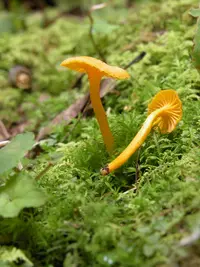
Snakeskin Grisette Care (Amanita ceciliae)

Also known as: Cecilia's Ringless Amanita
Snakeskin Grisette

About Snakeskin Grisette

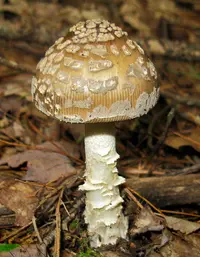
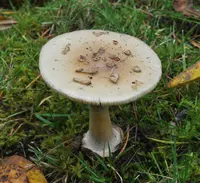
Snakeskin grisette, Amanita ceciliae, is a mycorrhizal mushroom that forms partnerships with tree roots rather than growing as a typical garden plant. Its tall, slender stem, grayish cap with snakeskin-like markings, and fragile ring zone give it a distinctive appearance in mixed woodlands. It naturally occurs in temperate forests across Europe, parts of Asia, and North America. This fungus is not domesticated and is generally difficult to cultivate reliably at home because it depends on specific tree partners and soil biology. For those studying how to care for Snakeskin Grisette, it is typically observed in natural habitats rather than grown as a conventional ornamental or houseplant.


Main Plant Requirements

Care Difficulty

Hard Care

Light Preference

Partial Shade

Water Requirements

Regular Water

Temperature Preference

Cool Climate

Hardiness Zone

Unknown

Soil Texture

Loamy, Silty, Organic-rich

Soil pH

Acidic (5.5–6.5), Slightly acidic (6.5–7.0)

Soil Drainage

Moist but well-drained

Fertilization

Minimal (feed rarely)

Get Personalized Care Plan

Scan your plant to receive care tips personalized for your specific plant

Available on iOS and Android

How to Care for the Snakeskin Grisette

This ectomycorrhizal mushroom prefers dappled woodland light rather than direct, open sun.

  • Aim for bright, filtered light under trees, similar to light on a forest floor with 2–4 hours of weak, early morning sun and no harsh midday or afternoon sun.
  • Snakeskin Grisette tolerates partial to deep shade, but fruiting bodies are usually more abundant where shifting leaf cover allows broken light patches through the day.
  • Avoid exposed sites where caps receive direct sun for long periods, which can dry tissues quickly; in summer, rely on canopy shade or leaf litter to buffer light and heat.

This species depends on consistently moist, well‑aerated soil rather than frequent surface soaking.

  • Maintain soil that stays evenly moist 5–10 cm below the surface, using leaf litter or mulch to slow evaporation while allowing excess rainwater to drain away.
  • In wet seasons, watch for standing water or sour, swampy smells, which indicate poor drainage that can damage fine fungal mycelium associated with Amanita ceciliae roots.
  • During extended dry spells, irrigation near host trees should moisten the upper 10–15 cm of soil, then dry slightly between waterings, avoiding dust‑dry soil and waterlogged patches.

This woodland fungus favors cool to mild conditions and is sensitive to both hard frost and intense heat.

  • Optimal fruiting usually occurs around 55–70°F (13–21°C), often in late summer to autumn when soil is cool, moist, and buffered by canopy shade.
  • Mycelium in the soil can tolerate brief drops near 30–32°F (-1–0°C), but hard, prolonged freezes without insulating leaf litter reduce survival and future fruiting.
  • Sustained heat above 80°F (27°C), especially with dry soil, limits fruiting; shade, organic mulch, and stable woodland microclimates help moderate temperature swings.

This species is not suited to cultivation and has no practical humidity requirement for home care, as it is a wild ectomycorrhizal fungus rather than a houseplant.

Amanita ceciliae is an ectomycorrhizal woodland mushroom that cannot be reliably grown in pots or garden beds, since it depends on living tree roots rather than a standalone soil mix.

  • In nature it associates with broadleaf and conifer tree roots in moderately moist, well-aerated forest soil rich in decaying leaf litter.
  • The natural substrate is usually a loose, humus-rich loam with plenty of organic debris over mineral soil, allowing air movement and steady moisture without waterlogging.
  • Typical sites are slightly acidic to neutral (around pH 5.0–7.0), and compaction, standing water, or heavily fertilized ground suppress fruiting.
  • Instead of trying to prepare a potting mix, focus on conserving existing woodland habitat where this fungus already occurs, as Amanita ceciliae plant care is essentially habitat management.

This species is not suitable for container growing, because it requires complex mycorrhizal relationships with living trees that cannot be reproduced in pots.

In natural conditions Amanita ceciliae does not need fertilizing, and added nutrients can disrupt its mycorrhizal partnership with host tree roots.

Amanita ceciliae is not a plant to prune; its fruiting bodies are temporary structures of a wild fungus rather than permanent stems or branches.

This species forms a mycorrhizal association with trees and is not suited to typical repotting or transplanting as a potted specimen.

  • Avoid disturbing soil around host tree roots where Amanita ceciliae appears, since digging can damage the fungal network.
  • Do not attempt container culture; the fungus requires living tree roots rather than standard potting mixes.
  • If soil must be moved, keep disturbance shallow and localized to limit harm to underground mycelium.
  • Focus on maintaining a stable site with established trees instead of trying to relocate the fungus.

Propagation of this wild mycorrhizal fungus is not practical for typical home cultivation and is generally left to natural spore dispersal.

This woodland fungus is naturally cold hardy in its native range and does not require active winter care from gardeners when growing Snakeskin Grisette outdoors.

Care Tips

Spore-Friendly Companions

When cultivating this ectomycorrhizal fungus outdoors, place it near compatible host trees such as birch, beech, or oak so the underground fungal network can form natural associations with the roots and support long-term fruiting.

Minimal Disturbance Zone

Mark and protect the soil where fruiting bodies appear, avoiding digging, raking, or heavy foot traffic so the buried mycelium mat remains intact and productive over multiple seasons.

Leaf-Litter Management

Maintain a thin, even layer of natural leaf litter over the colony to buffer moisture and temperature, but remove thick, matted layers in late winter so emerging mushrooms can push through more easily.

Targeted Slug Control

Use physical barriers like copper tape rings or hand-picking at dusk around known fruiting spots instead of broad-spectrum pesticides, which can damage soil organisms important for growing Snakeskin Grisette.

Moisture Monitoring Stakes

Insert untreated wooden stakes at the edge of the colony and check how deeply they darken after rain or irrigation to judge sub-surface moisture and avoid saturating or drying out the mycelium zone.

Common Pests and Diseases

Mycophagous springtails

These insects feed on the fruiting body surface and gill tissue, leading to pitting, surface scarring, and accelerated decay of the cap and stem.

Solution

Collect and discard heavily infested mushrooms, then remove nearby decaying organic matter that shelters springtails. For cultivation settings, reduce constant surface wetness, improve drainage, and use fine mesh over beds to limit access while maintaining airflow.

Slugs and snails

This pest grazes on caps and stems, leaving irregular holes, slime trails, and rapid structural collapse of young fruiting bodies.

Solution

Hand-pick slugs and snails during damp evenings and remove nearby debris that offers hiding spots. In managed beds, use copper tape barriers or shallow beer traps placed away from the main patch to reduce grazing pressure without disturbing the mycelium.

Mycophagous fly larvae

These insects lay eggs in or near the fruiting bodies; larvae tunnel through the stem and cap, causing soft, waterlogged tissue and rapid decomposition from the inside.

Solution

Harvest mushrooms promptly at maturity and remove any specimens showing tunneling or soft spots, disposing of them away from the site. Fine mesh covers over fruiting areas and limiting exposed rotting material nearby can interrupt adult fly access and reduce future egg-laying.

Parasitic Hypomyces infection

This disease is caused by parasitic fungi that overgrow the mushroom surface with a powdery or crust-like layer, distorting shape and halting normal spore production.

Solution

Remove and destroy parasitized mushrooms as soon as they are noticed to lower spore load in the area. Avoid injuring healthy fruiting bodies and maintain good spacing between them in cultivation beds to limit direct contact and spread.

Interesting Facts

Distinctive snakeskin stem

The stem is marked by fine, grey to black fibrils that create a snakeskin-like pattern, which, together with the grey, striate cap margin, helps distinguish it from many other amanitas in the field.

Ringless amanita species

Unlike several well-known toxic amanitas, this species typically lacks a persistent ring on the stem, because its partial veil is fragile and usually leaves only faint remnants on the upper stem.

Mycorrhizal forest partner

It forms ectomycorrhizal associations with trees such as beech and oak, exchanging mineral nutrients and water from the soil for carbohydrates produced by the host tree.

Botan icon

Did you know?

This species is considered an edible or at least non-lethal mushroom in some regional field guides, but identification challenges and its close relationship to dangerously toxic amanitas lead many modern mycologists to advise against collecting it for food at all.

FAQs about Snakeskin Grisette

Identification of wild Amanita species is complex and mistakes can be fatal. This species is generally treated as inedible. It should not be collected for food, and any suspected ingestion requires immediate medical attention.

Grow Healthy Plants with Botan Care

Keep your plants happy and healthy with plant identification, disease detection, and easy care guidance.

Botan plant care app — identify plants on mobile

Explore More Plants