Smooth Chanterelle Care (Cantharellus lateritius)

Smooth Chanterelle

About Smooth Chanterelle

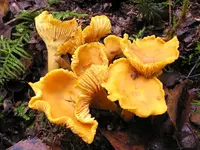
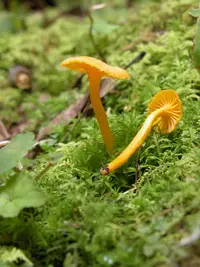
The smooth chanterelle, Cantharellus lateritius, is a wild mycorrhizal fungus that forms a partnership with tree roots rather than growing as a typical potted plant. It produces funnel-shaped, yellow to orange fruiting bodies with a smooth or slightly wrinkled underside instead of distinct gills.

This species occurs mainly in hardwood forests, especially with oaks, across eastern North America. It fruits from soil or leaf litter in warm, moist conditions after rain.

Because it depends on living trees and complex soil fungi, it is difficult to cultivate intentionally at home or indoors. Most people who want to care for Smooth Chanterelle focus on protecting suitable woodland habitat rather than trying to grow it in containers.

Main Plant Requirements

Care Difficulty

Hard Care

Light Preference

Partial Shade

Water Requirements

Keep Soil Moist

Temperature Preference

Cool Climate

Hardiness Zone

Unknown

Soil Texture

Loamy, Organic-rich

Soil pH

Acidic (5.5–6.5)

Soil Drainage

Moist but well-drained

Fertilization

Minimal (feed rarely)

Get Personalized Care Plan

Scan your plant to receive care tips personalized for your specific plant

Available on iOS and Android

How to Care for the Smooth Chanterelle

This ectomycorrhizal fungus prefers forest light conditions rather than open-field sun.

  • Site Cantharellus lateritius in bright shade under deciduous trees, with dappled or filtered light for 2–4 hours, avoiding open, all‑day sun.
  • Allow gentle morning sun if canopy cover is thin, but protect from strong midday and afternoon sun that quickly dries the forest floor.
  • In summer, ensure leaf-litter or understory plants provide shade; in early spring before canopy leaf-out, avoid exposed, south-facing slopes that receive harsh direct sun.

This forest mushroom relies on consistently moist, not saturated, soil around its tree partners.

  • Aim for soil that feels evenly moist 3–5 cm deep, never waterlogged; if the surface litter is crisp-dry and hydrophobic, the site is too dry for Cantharellus lateritius.
  • Use well-drained, humus-rich soil on a slight slope or raised area so excess rain can run off and not pool around tree roots.
  • During hot, dry spells, add water when a handful of soil barely clumps and duff is brittle, but stop if standing water appears or a sour, anaerobic smell develops.

This species fruits best in mild to warm conditions and is sensitive to both hard frost and extreme heat.

  • Optimal fruiting typically occurs around 60–77°F (16–25°C), with mycelium growth in soil continuing somewhat outside this range if moisture is stable.
  • Short drops to about 28–32°F (-2–0°C) may only pause activity, but repeated hard frosts or frozen ground can end the fruiting season.
  • Sustained heat above 86°F (30°C), especially with dry soil, slows or stops fruiting; a shaded, mulched forest floor buffers temperature swings between seasons.

This mycorrhizal mushroom requires consistently moist, humid conditions around the forest floor rather than dry, indoor air.

  • Aim for 70–90% humidity near the fruiting area, mimicking a damp, shaded woodland after rainfall.
  • Dry air causes caps to crack, edges to curl, and pins (young mushrooms) to abort before maturing.
  • Increase humidity by using heavy organic mulch, regular but gentle misting of the substrate, and wind protection to limit evaporation.

Cantharellus lateritius thrives in undisturbed, tree-associated soil rather than conventional potting mixes.

  • Provide a deep, well-aerated loamy or sandy-loam soil with high organic matter from leaf litter and decomposed wood.
  • Ensure drainage is moderate: soil should stay evenly moist yet never waterlogged, with excess water able to percolate away.
  • Slightly acidic conditions, roughly pH 4.5–6.0, favor mycelial growth and association with host tree roots.
  • To prepare a supportive bed, mix native mineral soil with shredded leaf mold, composted bark, and a small amount of coarse sand for structure.

This species is not suitable for typical container growing because it depends on long-term association with living tree roots in open soil ecosystems.

This mycorrhizal fungus relies on its tree partners and usually does best without direct fertilization.

Pruning is not applied to Cantharellus lateritius because it is a wild, mycorrhizal fungus rather than a shaped garden plant.

This fungus is not suited to conventional repotting, so any management focuses on careful transplanting of associated trees or soil.

  • Avoid disturbing forest soil where fruiting bodies appear, since the main organism is a hidden mycelial network linked to tree roots.
  • If moving young host trees, transplant in cool, moist weather to limit root stress and retain as much native soil as possible.
  • Do not attempt frequent moves; the symbiotic relationship usually declines if the original soil and root environment are disrupted.

Propagation of Cantharellus lateritius is technically complex and not practical for home growers, so it is rarely attempted.

This wild fungus is naturally cold hardy in its native range and needs no specific winter care from gardeners.

Care Tips

Host tree mapping

Flag or map existing healthy hardwood hosts (especially oaks) where chanterelles already appear, and focus any habitat improvement, mulching, and protection efforts within 1–3 m of those trunks rather than disturbing new areas.

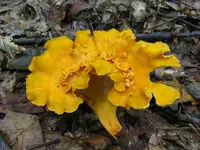
Leaf litter management

Maintain a 5–10 cm layer of mixed, unsprayed hardwood leaf litter over the fruiting zone, topping it up each fall but never raking down to bare mineral soil, which helps stabilize moisture and protect the mycelium network.

Gentle harvest technique

Cut mushrooms at the base with a clean knife instead of pulling, and avoid disturbing the surrounding soil and roots, which helps preserve the underground mycelium and improves future yields when growing Smooth Chanterelle.

Soil compaction control

Keep foot traffic, wheelbarrows, and heavy equipment away from known fruiting spots to prevent soil compaction around tree roots, which can reduce aeration and weaken the mycorrhizal partnership.

Microclimate buffering

In hot, dry spells, create a buffered microclimate for the patch by using coarse wood chips or branches as a loose shade mulch over the leaf litter, which reduces surface temperature swings while still allowing air flow.

Common Pests and Diseases

Mycophagous slugs

This pest feeds on developing fruiting bodies, often hollowing out young chanterelles and leaving slime trails and ragged bite marks. Symptoms include distorted caps, missing tissue, and shallow pits in the mushroom surface.

Solution

Hand-pick slugs during damp evening or early morning periods and use physical barriers such as copper tape or coarse grit around productive chanterelle patches. Reduce dense groundcover that shelters slugs and, where legal and appropriate, place beer or yeast-based slug traps at the edge of the mushroom area rather than directly in the fruiting zone.

Fungus gnat larvae

These insects can tunnel inside young chanterelles, creating small galleries and soft, water-soaked spots that quickly turn brown and collapse. Symptoms include tiny entrance holes, spongy texture, and blackish larvae or frass inside the stem or cap.

Solution

Harvest mushrooms promptly when mature and avoid leaving damaged or overripe fruiting bodies on the ground, as these attract egg-laying adults. In semi-managed settings such as forest gardens, improve surface drainage, lightly disturb the top litter layer outside the mycelial zone to reduce breeding pockets, and use yellow sticky cards nearby to monitor adult gnat activity without disturbing the fungus.

Mite infestation

These insects are microscopic or very small and may cluster on the gills and cap surface, causing fine pitting, dull coloration, and a dusty or speckled appearance. Symptoms include slow degradation of the fruiting body, with patches that dry or turn tan prematurely.

Solution

Gently rinse harvested chanterelles in cool running water to remove mites before storage or consumption. In outdoor production or forest-garden contexts, avoid heavy mulch directly over productive mycelium, keep the leaf litter layer moderate rather than thick, and avoid introducing infested compost or straw into the area to limit mite buildup.

Bacterial blotch

This disease creates greasy, water-soaked spots on caps and stems that rapidly turn yellow-brown and may become slimy in wet conditions. Symptoms include an unpleasant odor, surface stickiness, and rapid breakdown of affected tissue during or after heavy rain or irrigation.

Solution

Limit overhead watering in any managed chanterelle setting and avoid handling fruiting bodies when they are very wet. Harvest promptly after rains, gently dry surface moisture with good airflow, and discard heavily blotched specimens to reduce local bacterial load and maintain hygienic conditions when caring for Smooth Chanterelle.

Parasitic competitor fungi

This disease is caused by other fungi that colonize chanterelle fruiting bodies, forming white, gray, or dark molds on the surface and sometimes producing cottony or powdery growth that deforms or consumes the mushroom. Symptoms include misshapen caps, discolored patches, and rapid decay even in otherwise suitable weather.

Solution

Remove and discard parasitized or heavily moldy fruiting bodies without spreading their spores across the patch, placing them in sealed bags away from the site. Maintain a stable, lightly shaded woodland environment with good air movement, avoid piling fresh woody debris directly over productive areas, and minimize soil disturbance that could favor aggressive competitor fungi over established Cantharellus lateritius mycelium.

Interesting Facts

Solid-fleshed chanterelle

Unlike many chanterelles with hollow or chambered stems, this species typically has solid, dense flesh throughout the cap and stipe, a key trait used by field mycologists to separate it from look-alikes.

Almost smooth hymenium

Instead of distinct gills or sharp ridges, the spore-bearing surface is usually smooth to very shallowly veined and strongly decurrent, which explains the common name smooth chanterelle.

Oak and hardwood specialist

This fungus forms ectomycorrhizal partnerships mainly with oaks and other hardwood trees in eastern North America, exchanging mineral nutrients and water from the soil for sugars produced by the host tree.

Botan icon

Did you know?

Molecular studies comparing DNA sequences have confirmed that the smooth chanterelle is a distinct species within the Cantharellus cibarius complex, clarifying long-standing confusion caused by its variable appearance and overlap with other yellow chanterelles in the same forests.

FAQs about Smooth Chanterelle

This species is generally regarded as a good edible mushroom when correctly identified and harvested from clean environments. Only experienced foragers should collect it, as misidentification with toxic look-alikes is a serious risk.

Grow Healthy Plants with Botan Care

Keep your plants happy and healthy with plant identification, disease detection, and easy care guidance.

Botan plant care app — identify plants on mobile

Explore More Plants