Streamside siting
Plant along a swale, ditch edge, or the upper shoulder of a streambank where soil stays evenly moist but not flooded for long periods, which mimics its native habitat and supports healthier root systems.

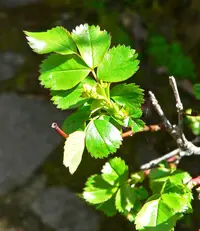
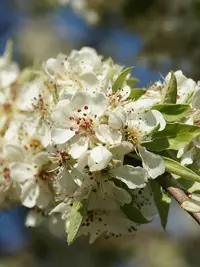
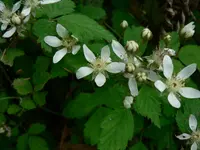
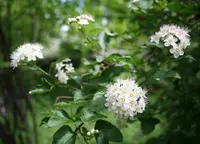
Cluster rose, Rosa pisocarpa, is a deciduous shrub rose native to western North America, often found along streams, wet thickets, and open woodland edges. It forms arching, multi-stemmed thickets with clusters of small pink flowers followed by showy red hips.
This species has a relatively hardy nature and tolerates cool climates, periodic flooding, and poor to average soils, which makes it fairly forgiving in suitable outdoor conditions. Those who want to learn how to care for cluster rose should note its preference for sun to light shade and consistently moist, well-drained soil.
Its dense branching and suckering habit allow it to spread over time, creating a natural hedge or wildlife-friendly barrier in gardens and restoration plantings.

Care Difficulty
Moderate Care

Light Preference
Full Sun

Water Requirements
Moderate Water

Temperature Preference
Cold Hardy

Hardiness Zone
5–9

Soil Texture
Loamy, Sandy, Silty

Soil pH
Acidic (5.5–6.5), Slightly acidic (6.5–7.0)

Soil Drainage
Moist but well-drained

Fertilization
Minimal (feed rarely)
Scan your plant to receive care tips personalized for your specific plant
Available on iOS and Android
Rosa pisocarpa prefers consistent sun exposure to flower and stay healthy.
Rosa pisocarpa needs steady moisture in well-drained soil, without staying soggy.
This rose tolerates cool climates but grows and flowers best in moderate temperatures.
Rosa pisocarpa tolerates a wide humidity range and rarely needs special humidity control outdoors.
Rosa pisocarpa prefers moderately fertile, well-structured mineral soil with strong drainage.
This species can adapt to container growing if the pot is large and stable enough for its root system and tall growth.
Rosa pisocarpa benefits from light, thoughtful feeding rather than heavy fertilization.
Pruning Rosa pisocarpa supports healthy structure, airflow, and flowering.
This species is usually grown in the ground, so focus on careful transplanting rather than frequent repotting.
Rosa pisocarpa is commonly propagated from cuttings, seeds, or by layering in suitable conditions.
This rose is generally cold hardy, needing only modest winter care in most temperate climates.

Plant Health Check
Not sure what's wrong with your plant? Check your plant's health inside the app.
This species is native to the Pacific Northwest of North America, where it is naturally restricted to moist lowland habitats such as streambanks, wet thickets, and forest edges from British Columbia south into northern California.
Its small, pea-sized rose hips and dense twiggy growth provide food and shelter for many native birds and small mammals, and the flowers are an important nectar and pollen source for local bees and other pollinators.
In areas where multiple wild rose species overlap, this plant is known to hybridize naturally with close relatives, which can make field identification challenging for botanists studying Rosa pisocarpa care in mixed-species thickets.

The species name pisocarpa refers to its unusually small, pea-like hips (from Greek piso meaning pea and karpos meaning fruit), which are noticeably smaller than those of most other North American wild roses and help distinguish it in the field.
Lack of flowers usually comes from too much shade, heavy pruning at the wrong time, or low nutrients. Ensure strong sun, avoid cutting young flower-bearing wood in spring, and use a balanced, rose-appropriate fertilizer for better buds.
Keep your plants happy and healthy with plant identification, disease detection, and easy care guidance.