Bolivian Sunset Care (Seemannia sylvatica)

Bolivian Sunset

About Bolivian Sunset

Bolivian sunset (Seemannia sylvatica) is a small, tuberous perennial from the Andes, often grown as a houseplant or seasonal container plant. It belongs to the African violet family and forms low, bushy clumps.

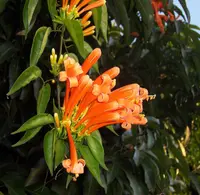
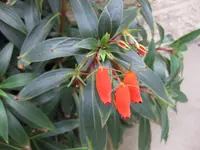
The plant has glossy, dark green leaves and produces tubular, orange to red flowers with yellow throats, usually in late fall and winter. It naturally occurs in humid, shaded forest habitats, which explains its preference for bright, indirect light, consistent moisture, and airy, well-drained soil.

Because it grows from underground tubers, it can handle a short dry rest, but dislikes prolonged drought or waterlogged conditions. Once its seasonal rhythm is understood, it is relatively straightforward to care for Bolivian Sunset.

Main Plant Requirements

Care Difficulty

Moderate Care

Light Preference

Partial Shade

Water Requirements

Keep Soil Moist

Temperature Preference

Tropical / Frost Sensitive

Hardiness Zone

10–11

Soil Texture

Loamy, Peaty, Organic-rich

Soil pH

Acidic (5.5–6.5), Slightly acidic (6.5–7.0)

Soil Drainage

Moist but well-drained

Fertilization

Light (every 4–6 weeks)

Get Personalized Care Plan

Scan your plant to receive care tips personalized for your specific plant

Available on iOS and Android

How to Care for the Bolivian Sunset

This plant prefers bright yet gentle light that mimics a lightly shaded forest edge.

  • Provide 3–5 hours of soft morning sun or bright filtered light, with shade from harsh midday and afternoon rays to protect leaves from scorching.
  • Bolivian Sunset tolerates partial shade, but in deep shade flowering declines and stems stretch; move it gradually to brighter conditions if growth looks weak or leggy.
  • Outdoors, give dappled light under shrubs or trees; in summer heat, increase shade, and in low-light seasons supplement with a bright east-facing position.

Watering should keep the root zone evenly moist but never waterlogged.

  • Water when the top 2–3 cm of soil feels dry, applying enough to moisten the root area while letting excess drain away fully.
  • In active growth, check moisture every few days; in cooler seasons or dormancy, allow the soil surface to dry a bit deeper and reduce frequency.
  • Signs of overwatering include yellowing, soft stems, and a sour smell; curling leaves and dry, light soil suggest underwatering and the need to water more thoroughly.

Stable, mild temperatures support strong growth and reliable flowering.

  • Aim for 65–80°F (18–27°C) during the growing season; growth slows below 60°F (16°C) and may stop if cool conditions persist.
  • Protect from frost; Seemannia sylvatica is damaged near 32°F (0°C) and tubers survive best if kept above 40°F (4°C) in winter storage.
  • In hot spells above 85°F (29°C), give extra shade and airflow to prevent heat stress, wilt, and flower drop, especially in exposed positions.

This species prefers moderately humid air but tolerates typical indoor levels if not kept too warm.

  • Aim for 50–60% humidity, especially during active growth and flowering of Bolivian Sunset.
  • Dry air causes crispy leaf edges, buds that dry up before opening, and slower growth.
  • Increase humidity with a nearby open tray of water and pebbles or a room humidifier rather than misting the leaves.

This plant prefers a loose, airy mix that holds moisture but drains quickly.

  • Use a peat- or coco-based mix with 30–40% perlite or pumice plus some fine bark to create a fibrous, well-aerated structure.
  • Aim for slightly acidic conditions, around pH 5.5–6.5, which support nutrient uptake and root health in Seemannia sylvatica.
  • Ensure fast drainage; the mix should feel moist but never heavy, sticky, or waterlogged after watering.
  • Improve drainage in heavy mixes by blending in coarse sand or extra perlite and avoid compacted garden soil or pure compost.

This species adapts very well to container culture for both indoor and outdoor displays.

  • Choose a wide, shallow pot so the spreading rhizomes have horizontal space without leaving a deep column of wet mix at the bottom.
  • Select a pot material that slightly breathes, such as unglazed clay, if the plant tends to stay wet for too long in your conditions.
  • Elevate the container slightly on pot feet so drainage holes clear quickly and excess water does not pool under the base.

Seemannia sylvatica benefits from modest feeding to support flowering during the active growing season.

  • Use a balanced liquid fertilizer (such as 10-10-10 or 20-20-20) diluted to 1/4–1/2 strength for caring for Bolivian Sunset.
  • Feed every 2–4 weeks from spring through early fall when growth and flowering are strongest.
  • Stop or greatly reduce feeding in late fall as foliage dies back and tubers enter dormancy.
  • Slow-release granules or a thin layer of compost can be mixed into the topsoil at the start of the growing season.

Pruning Seemannia sylvatica is helpful for keeping plants compact and encouraging more blooms.

  • In late winter or early spring, remove all dead, dried stems left from the previous season before new shoots emerge.
  • During the growing season, pinch soft shoot tips to encourage branching and a fuller shape.
  • Trim back leggy or crowded stems with clean, sharp scissors or snips to improve light penetration.
  • Promptly remove yellowing or damaged leaves to reduce disease risk and keep the plant tidy.

Container-grown Seemannia sylvatica benefits from occasional repotting to refresh soil and avoid root congestion.

  • Check for roots circling the pot, pushing through drainage holes, or slowed growth as signs it needs a larger container.
  • Plan to repot every 2–3 years in late winter or early spring, just before active growth resumes.
  • Move the plant only 1–2 in up in pot diameter, using a loose, well-drained mix to limit waterlogging.
  • Handle tubers gently, keep roots shaded and slightly moist during the process, then water lightly and keep in bright, indirect light for a week.

Seemannia sylvatica is commonly propagated from tuber division and stem cuttings.

  • In late winter or early spring, lift dormant tubers and divide clumps so each piece has at least one healthy growth point.
  • Replant divisions in a well-drained mix, just below the surface, and keep slightly moist at 65–75°F until shoots appear.
  • In late spring or summer, take 7–10 cm softwood cuttings, remove lower leaves, and insert into moist, airy substrate.
  • Provide bright, indirect light, high humidity, and gentle bottom warmth if possible to promote quick, healthy rooting.

Seemannia sylvatica is frost-sensitive and needs specific winter care in most temperate climates.

  • In regions with frost, grow in containers and move plants indoors before temperatures drop below 50°F.
  • Allow tops to die back naturally, then keep dormant tubers in their pots in a cool, dry place around 50–60°F.
  • For in-ground plantings in mild climates, cut back dead foliage and mulch the root zone with 5–8 cm of dry material.
  • Avoid watering heavily during dormancy; keep soil barely moist so tubers do not shrivel or rot.

Care Tips

Seasonal Dormancy Handling

Allow top growth to die back and keep the pot just barely moist in late fall and winter, then resume normal watering only when strong new shoots appear in spring to protect the underground rhizomes from rot.

Rhizome Division Timing

Lift and divide the rhizomes every 2–3 years in early spring, separating firm, healthy pieces with visible buds and replanting them shallowly to refresh overcrowded clumps and maintain vigorous flowering.

Pinching For Bushiness

Pinch out soft shoot tips when stems reach 10–15 cm, removing only the top pair of leaves so the plant branches from below and produces a denser display of flowers.

Outdoor Summering Strategy

If summers are mild, move containers outdoors to bright shade after frost risk passes, then gradually acclimate them over 7–10 days to prevent foliage scorch and boost overall vigor when growing Bolivian Sunset.

Targeted Flower Deadheading

Regularly remove spent flowers by snipping the stem just below the bloom cluster, which reduces energy wasted on seed formation and encourages a longer, heavier flowering period.

Common Pests and Diseases

Spider mites

This pest thrives in warm, dry indoor air and can cause fine speckling, dull leaves, and delicate webbing on Seemannia foliage. Symptoms include slow decline, leaf edge browning, and reduced flowering.

Solution

Rinse leaves thoroughly under lukewarm water, including the undersides, then increase humidity and improve air movement. For persistent infestations, apply an insecticidal soap or neem oil spray every 5–7 days for several cycles, isolating the plant from others until new growth appears healthy.

Mealybugs

These insects hide in leaf axils and along stems, feeding on sap and excreting sticky honeydew that can lead to sooty mold. Symptoms include stunted growth, distorted new leaves, and cottony white clusters on plant surfaces and around rhizomes when disturbed during repotting.

Solution

Remove visible insects with a cotton swab dipped in isopropyl alcohol and gently wipe affected areas, then inspect regularly for several weeks. For larger infestations, use a ready-to-use insecticidal soap or neem oil spray, repeating applications and discarding heavily infested potting mix if mealybugs are found around the roots or rhizomes.

Botrytis blight

This disease appears in cool, humid, and poorly ventilated conditions, causing soft brown spots on leaves and flowers that may develop gray, fuzzy mold. Symptoms include collapsed stems at the base and rapid decay of old blooms left on the plant.

Solution

Remove and discard all affected leaves, flowers, and plant debris, then increase airflow, reduce overhead watering, and avoid water sitting on foliage. Allow the surface of the potting mix to dry slightly between waterings and, in severe or recurring cases, use a labeled fungicidal spray while adjusting conditions as part of broader Seemannia sylvatica care.

Powdery mildew

This disease shows as a white or gray powdery coating on leaves, especially in crowded pots with fluctuating humidity and moderate light. Symptoms include leaf curling, yellowing, and reduced flowering if untreated.

Solution

Improve spacing and airflow around the plant, avoid wetting foliage, and remove heavily affected leaves to limit spread. Apply a mild fungicidal treatment such as a sulfur-based or potassium bicarbonate product according to label directions, and keep light levels bright and stable to support recovery.

Interesting Facts

Tubers For Survival

This species survives seasonal drought in its native Andean habitats by retreating into underground tubers, then resprouting when moisture and temperatures rise again.

Hummingbird-Pollinated Flowers

In its native range, the long tubular orange-red flowers are adapted for pollination by hummingbirds, which can access the nectar that many insects cannot reach.

Short-Day Bloomer

Flowering is triggered by shortening day length, so it naturally blooms in late summer to winter when nights become longer.

Botan icon

Did you know?

Genetic and morphological studies have shown that this ornamental was historically placed in the genus Gloxinia, but detailed research on floral structure and DNA led botanists to transfer it to the genus Seemannia as part of a broader reclassification of the Gesneriaceae family.

FAQs about Bolivian Sunset

Poor flowering usually comes from insufficient light, depleted nutrients, or the plant staying too warm and never resting. Provide bright conditions, a balanced fertilizer during active growth, and a cool, dry rest period to set buds.

Grow Healthy Plants with Botan Care

Keep your plants happy and healthy with plant identification, disease detection, and easy care guidance.

Botan plant care app — identify plants on mobile

Explore More Plants