pinewoods spiderwort Care (Tradescantia pinetorum)

pinewoods spiderwort

About pinewoods spiderwort

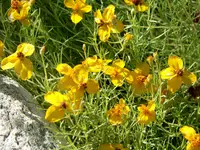
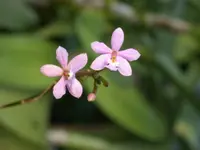
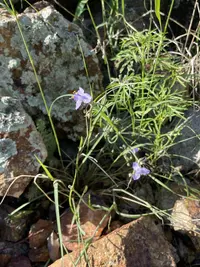
Pinewoods spiderwort (Tradescantia pinetorum) is a clumping, herbaceous perennial native to pine flatwoods and sandy habitats in the southeastern United States. It forms low, grassy mounds with narrow, arching leaves and delicate three-petaled flowers. The blooms are typically purple to blue and open in the morning, giving a soft, meadow-like look when grown in groups. Stems may lean or sprawl lightly as the clump expands. This species is adapted to bright light, well-drained sandy soil, and seasonal dryness, which makes it relatively undemanding in similar garden conditions. Understanding these natural preferences is key to how to care for pinewoods spiderwort successfully.

Main Plant Requirements

Care Difficulty

Easy Care

Light Preference

Partial Sun

Water Requirements

Moderate Water

Temperature Preference

Warm Climate

Hardiness Zone

8–11

Soil Texture

Sandy, Loamy, Rocky

Soil pH

Acidic (5.5–6.5), Slightly acidic (6.5–7.0)

Soil Drainage

Well-drained

Fertilization

Minimal (feed rarely)

Get Personalized Care Plan

Scan your plant to receive care tips personalized for your specific plant

Available on iOS and Android

How to Care for the pinewoods spiderwort

This sun-loving perennial thrives in bright, open sites with some protection from harsh afternoon exposure.

  • Provide 4–6 hours of direct morning sun with light afternoon shade; in hotter regions, limit strong sun after 2 p.m. to prevent leaf scorch.
  • Tolerates bright dappled or high open shade, but stems may stretch and flowering decline if light drops below about 3–4 hours of sun.
  • In winter or during cloudy periods, growth of pinewoods spiderwort slows naturally, so accept looser, more open foliage rather than increasing sun abruptly.

This plant prefers moderately moist, fast-draining soil and does not tolerate standing water.

  • Water when the top 2–5 cm of soil feels dry, using deeper, less frequent soakings rather than light daily sprinkling to encourage deeper roots.
  • Reduce watering in cooler seasons when growth slows, but do not allow soil to stay dry so long that stems flop or lower leaves crisp and yellow-brown.
  • Watch for signs of overwatering such as soft, yellowing stems and a sour soil smell; improve drainage with sand or grit if water lingers on the surface.

This species handles a wide temperature range but grows best in mild, frost-free conditions.

  • Ideal growing temperatures are 65–80°F (18–27°C), where shoots elongate steadily and flowering is most consistent.
  • Hardy foliage is damaged near 30–32°F (-1–0°C); brief light frosts may kill top growth, but underground parts often survive milder winters.
  • Tolerates short heat spells up to about 90–95°F (32–35°C) if soil moisture is maintained; in intense heat, provide more shade to reduce stress and leaf scorch.

This species prefers moderate air moisture but adapts to typical indoor humidity levels.

  • Aim for 40–60% humidity to limit leaf-tip browning and keep growth even.
  • It tolerates drier air, but prolonged levels below 30% may cause crisp edges and slowed growth.
  • Increase humidity with a nearby open tray of water and stones or by grouping plants, rather than misting leaves directly.

This plant favors fast-draining, slightly sandy soil that still holds some moisture and organic matter.

  • Outdoors, a mix resembling sandy loam with 30–50% mineral content (sand or fine grit) suits Tradescantia pinetorum well.
  • Indoors, combine roughly 50% all-purpose potting mix, 25% coarse sand, and 25% perlite to boost drainage and aeration.
  • Target a slightly acidic to neutral pH around 6.0–7.0, avoiding strongly alkaline or compacted substrates.
  • Avoid heavy clay, peat-only mixes, or containers without drainage, which lead to waterlogging and root decline.

This species grows well in containers, including shallow, wide pots that match its spreading habit.

  • Choose a pot slightly wider than the root ball to allow side shoots to spread without leaving large, bare substrate areas.
  • Use light, stable containers; avoid very thin plastic that tips easily as stems elongate and become unevenly weighted.
  • Raise the pot on feet or a stand so water drains freely from the base and runoff does not reabsorb into the mix.

This species benefits from modest feeding but does not depend on heavy fertilization for healthy growth.

  • Use a balanced, water-soluble fertilizer (around 10-10-10 or 20-20-20) diluted to 1/4–1/2 strength for caring for pinewoods spiderwort in containers.
  • Apply every 4–6 weeks during the active growing season, when light and temperatures are stable.
  • Skip or greatly reduce feeding in winter or any dormant period to avoid soft, weak growth.
  • For in-ground plants, a light top-dressing of compost in spring is usually sufficient.

Thoughtful pruning keeps Tradescantia pinetorum compact, encourages fresh growth, and maintains flowering performance.

  • Trim back leggy or sprawling stems in late winter or early spring to shape the clump and promote dense new shoots.
  • Remove dead, damaged, or pest-marked stems whenever noticed, cutting just above healthy tissue with clean, sharp scissors or pruners.
  • After the main flush of flowers, shear lightly to tidy the plant and stimulate additional blooming.
  • Disinfect tools before and after use to limit disease spread between plants.

This species is often grown as a groundcover or in dry gardens, so transplanting is usually more relevant than frequent repotting.

  • Plan transplanting or potting-up for early spring or early fall, avoiding heat waves or hard frost periods.
  • Look for roots circling the container drainage holes, soil drying very fast, or stalled growth as signs a potted plant needs more space.
  • Move to a container only 2–5 cm wider or replant in a similar-depth garden hole, keeping the crown at original soil level.
  • Water thoroughly after moving, then keep soil lightly moist for 1–2 weeks to reduce root stress and improve establishment.

New plants are commonly produced from divisions and stem cuttings, which root quickly under suitable conditions.

  • Divide mature clumps in early spring by lifting, gently teasing apart sections, and replanting each with healthy roots and shoots.
  • Take 7–10 cm non-flowering stem cuttings in late spring or summer and remove lower leaves before inserting into moist, well-drained mix.
  • Provide bright, indirect light and stable warmth around 65–80°F to support rooting, keeping the medium barely moist, not waterlogged.
  • Seeds can be sown in spring in a free-draining mix; keep lightly covered and consistently moist until germination.

In many mild to moderate climates, this perennial has good cold tolerance and usually needs only light winter attention outdoors.

  • In the ground, apply a 5–8 cm layer of mulch around, but not against, the crowns after hard frosts to buffer freeze–thaw cycles.
  • Allow top growth to die back naturally; remove mushy or collapsed stems in late winter to reduce disease carryover.
  • In containers, move pots to a sheltered, frost-free but cool spot, and water sparingly so the root zone does not stay saturated.

Care Tips

Encourage Clump Density

Pinch back only the longest, flop-prone stems in late spring to early summer to keep the plant compact and encourage a dense, upright clump rather than a loose, sprawling patch.

Rotate Flowering Patches

In garden beds, divide and replant outer sections of the clump every 2–3 years, shifting pieces to fresh soil so flowering remains strong and the center of the original clump does not thin out.

Mulch With Gritty Material

Apply a thin 1–2 cm layer of fine gravel or decomposed granite around the base rather than organic mulch to reduce crown rot risk and keep stems cleaner after rain or overhead watering.

Manage Self‑Seeding

If you want to limit spread, deadhead the spent flower clusters before they set seed, but leave a few on established plants if you want a naturalized look and a supply of replacement seedlings when growing pinewoods spiderwort.

Monitor For Mites

In hot, dry spells, check the narrow leaves for fine webbing or stippling from spider mites and respond early with a firm water spray to the foliage followed, if needed, by a labeled horticultural oil.

Common Pests and Diseases

Spider mites

This pest causes fine stippling on leaves, faint webbing, and gradual yellowing, especially in hot, dry conditions. Symptoms include slowed growth and a dusty look on the narrow foliage when leaves are inspected closely.

Solution

Rinse foliage thoroughly with a strong but controlled stream of water, including the undersides of leaves, then allow the plant to dry with good airflow. If needed, repeat washes and apply insecticidal soap or a light horticultural oil, keeping the plant slightly more humid and avoiding prolonged heat stress to reduce reinfestation.

Aphids

These insects cluster on young stems and buds, sucking sap and causing distortion, sticky honeydew, and sometimes sooty mold growth. Symptoms include curling new leaves and stunted shoot tips on flowering stems.

Solution

Remove heavily infested shoot tips and wash remaining stems with lukewarm water and mild insecticidal soap, ensuring full coverage of crevices and the undersides of leaves. Encourage natural predators outdoors and avoid excess nitrogen fertilizer, which can promote tender, aphid-prone growth.

Leaf spot

This disease produces small brown or tan spots on the linear leaves, sometimes with darker margins that merge into larger patches under prolonged moisture. Symptoms include premature leaf yellowing and shedding from the lower parts of the clump.

Solution

Trim and discard affected leaves, avoid overhead watering, and water at the soil level early in the day so foliage dries quickly. Improve spacing and airflow around plants and, if the problem is persistent, use a labeled broad-spectrum fungicide according to instructions while monitoring new growth closely.

Southern blight

This disease causes sudden wilting and collapse of stems near the soil line, often with white fungal strands and small tan sclerotia at the crown area. Symptoms include rapid decline of individual clumps in hot, humid conditions or poorly drained sites.

Solution

Remove and dispose of all affected plant material and surrounding mulch, and avoid replanting Tradescantia in the same exact spot for several seasons. Improve drainage and airflow, keep mulch thin around the crown, and consider using a soil-targeted fungicide where the disease is known to be persistent in the garden.

Scale insects

These insects appear as small, fixed bumps on stems and leaf bases, drawing sap and causing yellowing and weakened, sparse growth. Symptoms include sticky residue and decline in vigor, especially on older clumps or container plants under stress, such as when trying pinewoods spiderwort indoor care in low light or stale air conditions.

Solution

Gently scrape or wipe off visible scale with a cotton swab dipped in alcohol, then wash stems and foliage with insecticidal soap to reach young crawlers. Repeat treatments every 7–10 days for several cycles and strengthen plant resilience with brighter light, moderate watering, and good air movement.

Interesting Facts

Sandhill specialist

This species is native to the sandy pinewoods and scrub habitats of the southeastern United States, especially Florida, where it grows in very well-drained, nutrient-poor soils that many other herbaceous plants cannot tolerate.

Dawn-opening flowers

Its three-petaled purple to blue-violet flowers typically open in the morning and often close or wither by early afternoon, a daily rhythm that matches peak activity of its native bee pollinators.

Hairy, flexible stems

The narrow leaves and somewhat sprawling, pubescent (finely hairy) stems help reduce water loss and protect tissues from intense sun and heat in its exposed, open-forest habitats.

FAQs about pinewoods spiderwort

This species spreads by short rhizomes and self-seeding but is usually not strongly aggressive in typical garden settings. In loose, sandy soils it can form patches over time, so edging and occasional thinning help maintain defined clumps.

Grow Healthy Plants with Botan Care

Keep your plants happy and healthy with plant identification, disease detection, and easy care guidance.

Botan plant care app — identify plants on mobile

Explore More Plants