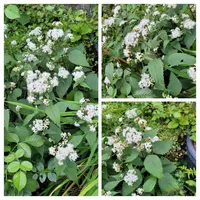
Hooded orchid Care (Dendrobium aphyllum)

Hooded orchid

About Hooded orchid

Hooded orchid, Dendrobium aphyllum, is a deciduous epiphytic orchid that naturally grows on trees and rocks in warm, humid forests of South and Southeast Asia. It produces long, pendulous canes that drop their leaves before flowering.

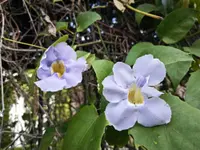
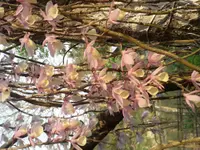
In late winter or spring, the bare canes are covered with soft, pale pink to lavender flowers with a darker, hooded lip, giving the plant its common name. The display is striking but short-lived.

This species prefers bright, filtered light, regular moisture during active growth, and a drier, cooler rest after leaf fall. With an understanding of its seasonal rhythm, it is relatively straightforward to care for Hooded orchid indoors or in a greenhouse.

Main Plant Requirements

Care Difficulty

Moderate Care

Light Preference

Bright Indirect Light

Water Requirements

Moderate Water

Temperature Preference

Tropical / Frost Sensitive

Hardiness Zone

Unknown

Soil Texture

Sandy, Organic-rich

Soil pH

Acidic (5.5–6.5)

Soil Drainage

Well-drained

Fertilization

Moderate (every 2–4 weeks)

Get Personalized Care Plan

Scan your plant to receive care tips personalized for your specific plant

Available on iOS and Android

How to Care for the Hooded orchid

Dendrobium aphyllum prefers bright, filtered light similar to bright woodland conditions.

  • Provide 4–6 hours of bright, indirect light daily, with gentle morning sun and protection from harsh midday and afternoon rays.
  • Outdoors, place where tree canopy or 30–50% shade cloth softens direct sun; indoors, use a sheer curtain for Hooded orchid.
  • Leaves turning yellow or scorched indicate too much direct sun, while very dark, limp canes and poor flowering signal insufficient light.

Watering Dendrobium aphyllum must follow its seasonal growth and rest cycle.

  • During active growth, water when the top 2–3 cm of the bark or mounting surface feels dry, allowing excess to drain completely.
  • Reduce watering sharply in late fall and winter; keep canes just short of shriveling, misting lightly instead of soaking if air is very dry.
  • Overwatering shows as black, mushy roots and yellowing lower leaves, while deep, wrinkled canes and limp buds indicate underwatering.

This orchid prefers warm days, cooler nights, and a distinct winter chill to trigger flowering.

  • Aim for 70–85°F (21–29°C) days and 60–70°F (16–21°C) nights during the growing season for steady cane and root development.
  • In winter rest, cooler nights of 50–60°F (10–16°C) help flower bud formation, provided conditions stay dry and frost free.
  • Avoid temperatures below 40°F (4°C) and protect from heat above 95°F (35°C) with extra shade and airflow to prevent stress and bud drop.

This orchid prefers fairly moist air to flower and grow well indoors.

  • Aim for 50–70% humidity, as Hooded orchid comes from seasonally humid, warm forests.
  • It tolerates brief dips to 40%, but prolonged dry air causes shriveled canes and buds drying before opening.
  • Use a humidity tray, grouped plants, or a small room humidifier near but not blowing directly on the plant.

Dendrobium aphyllum grows best in a loose, airy, fast-draining orchid substrate rather than compact potting soil.

  • Use a mix of medium orchid bark, a small amount of sphagnum moss, and perlite or pumice to keep the root zone open and well aerated.
  • Ensure water drains through in seconds; the mix should stay slightly springy and never form a solid, heavy mass.
  • Aim for slightly acidic to neutral conditions around pH 5.5–6.5, which suits most epiphytic orchids and supports nutrient uptake.
  • Avoid dense peat-heavy mixes or garden soil, which hold water around roots and greatly increase the risk of rot.

This species is well suited to container growing, especially in hanging baskets or shallow orchid pots.

  • Choose a shallow but wide pot or basket that matches the spreading, cane-forming habit and prevents the plant from becoming top-heavy.
  • Use slatted wooden baskets or plastic orchid pots with side vents to encourage rapid air exchange around the roots.
  • Select a heavier container or add weight at the base if canes arch outward, to keep the plant stable when fully leafed and in bloom.

Dendrobium aphyllum benefits from light, targeted feeding during its active growing season to support healthy canes and flowering.

  • Use a balanced orchid fertilizer (around 20-20-20) diluted to 25–50% strength for Hooded orchid grown in pots or mounted.
  • Feed every 2 weeks in spring–summer when new canes are elongating and roots are actively growing.
  • Switch to monthly feeding at half strength in late summer, then stop once leaves yellow and fall.
  • Avoid organic compost in the pot; use a low-salts formula suited to bark-based orchid media to prevent root burn.

Pruning Dendrobium aphyllum focuses on hygiene and managing old canes without removing future flowering sites.

  • Schedule pruning after flowering and leaf drop so you can see which canes remain firm and greenish at the base.
  • Remove only dead, shriveled, or blackened canes with clean, sharp scissors or bypass pruners to limit disease spread.
  • Thin a few very crowded, non-flowering old canes at the base to improve air flow and reduce fungal problems.
  • Avoid cutting plump, healthy canes because they store water and nutrients and often bloom again in later seasons.

Repotting is occasional for this epiphytic orchid and is mainly done to refresh old bark or relieve severe root crowding.

  • Check for tight, circling roots, medium breaking down into fine mush, or slowed cane growth as signals it is time to repot.
  • Plan repotting every 2–3 years in late winter to early spring, just as new root tips emerge but before vigorous growth.
  • Gently remove old medium, keeping firm, silvery roots; trim only dead, brown, mushy sections to reduce infection risk.
  • Place the plant in a slightly snug pot or mount with fresh orchid bark, then keep humidity high and watering moderate until recovery.

Dendrobium aphyllum is commonly propagated vegetatively, using divisions or keikis rather than seed in home collections.

  • Divide clumps at the end of winter rest, separating sections with at least 3–4 healthy canes and an active root system.
  • Detach keikis (small plantlets on canes) once they show several roots 2–3 cm long, then pot into fine orchid bark.
  • Maintain bright, indirect light, 70–80% humidity, and gentle air movement to encourage fast rooting and reduce rot risk.
  • Water lightly but frequently at first, allowing the medium to approach dryness between waterings while new roots establish.

This deciduous orchid needs a cool, dry winter rest rather than heavy insulation, as it is not frost tolerant in typical cultivation.

  • Move container plants indoors before temperatures drop below 50°F, providing bright light and good air circulation.
  • Stop fertilizing and reduce watering to brief sips only when canes start to wrinkle, keeping roots mostly dry.
  • Allow leaves to yellow and drop naturally; do not force dormancy by severe pruning or desiccation.

Care Tips

Mounting technique

Mount plants on cork bark or hardwood slabs with a thin pad of sphagnum only around the roots to promote fast drying, secure the canes with soft wire or twine, and leave room for new growths to extend freely downward.

Winter rest handling

During the leafless winter rest, remove old flowered canes only if they are completely shriveled and brown, since firm older canes can still produce flowers and act as reserve storage.

Support for long canes

Provide horizontal or arching supports such as bamboo hoops or hanging baskets so the canes can drape naturally, which reduces breakage and exposes the full length of the canes for bud formation.

Air movement management

Use a small oscillating fan on a low setting to keep constant gentle air movement around the plant, which helps dry the roots quickly after watering and reduces the risk of fungal spotting on new growths.

Repotting timing

Plan any repotting or remounting just as new root tips start to emerge in late winter or early spring, and handle the plant gently at this stage to avoid damaging tender roots that are critical for growing Hooded orchid successfully.

Common Pests and Diseases

Scale insects

These insects suck sap from canes and leaves, often hiding in leaf sheaths and along pseudobulbs, leading to yellowing and weak growth. Symptoms include sticky honeydew and sooty mold on older, pendant canes.

Solution

Remove heavily infested sheaths and wipe canes with a cotton pad dipped in 70% isopropyl alcohol, taking care not to soak new buds. Increase air movement, avoid excess nitrogen fertilizer, and repeat alcohol swabs or targeted horticultural oil sprays every 7–10 days until no new scale appear.

Spider mites

This pest thrives on thin, pendulous canes in warm, dry conditions, causing fine stippling, dull leaves, and webbing along the nodes. Symptoms include premature leaf drop just after flowering or during winter rest when humidity is too low.

Solution

Rinse canes and the undersides of leaves with a firm stream of lukewarm water, then raise humidity to around 50–60% without leaving the plant constantly wet. For persistent infestations, apply an insecticidal soap or neem-based spray, repeating at 5–7 day intervals while improving air circulation to limit reinfestation.

Mealybugs

These insects hide in the tight crevices of pendant canes, at the base of new growth, and around aerial roots, where they suck sap and stunt new shoots. Symptoms include cottony white clusters and deformed new canes or flower spikes.

Solution

Inspect nodes, sheaths, and root junctions closely and remove visible mealybugs with a cotton swab dipped in alcohol. Quarantine affected plants, trim heavily infested sheaths, and follow up with insecticidal soap or a systemic insecticide labeled for orchids, making sure to treat hidden areas where mealybugs shelter.

Black rot

This disease is caused mainly by water-loving Phytophthora or Pythium fungi, attacking new canes and young roots when the plant stays wet and cool. Symptoms include black, rapidly spreading soft lesions starting at the base of new growth or in crowded, poorly drained mounts or pots.

Solution

Immediately cut away all affected tissue well into healthy, firm tissue and dust cuts with a fungicidal powder such as thiophanate-methyl if available. Reduce watering in cool weather, improve drainage and air movement, avoid splashing water on new shoots, and discard severely affected plants to prevent spread to nearby orchids.

Bacterial soft rot

This disease, often caused by Erwinia species, turns canes or leafy sections soft, water-soaked, and foul-smelling, especially in tight, humid growing spaces with little airflow. Symptoms include sudden collapse of sections of a cane and rapid spread along pendant stems or into adjacent plants on the same bench or mount.

Solution

Isolate the plant at once, cut away rotting tissue with a sterile tool, and discard contaminated material carefully. Treat remaining tissue and surrounding areas with a bactericide labeled for orchids or a hydrogen-peroxide rinse, then increase airflow, reduce leaf wetness, and space plants so canes dry quickly after watering to support long-term Dendrobium aphyllum plant care.

Interesting Facts

Seasonally leafless habit

This orchid naturally sheds all its leaves in the dry season, leaving bare, pendulous canes that later produce flowers directly from the nodes once conditions improve.

Massed pendant flowering

In bloom, the long, hanging stems can be covered in dozens of pale pink to lilac flowers at once, creating curtain-like displays that are highly valued in collections and shows.

Fringed lip adaptation

Each flower has a characteristic hairy or fringed lip, which is thought to help guide and position visiting pollinators toward the reproductive structures.

Botan icon

Did you know?

This species is naturally epiphytic, commonly growing on tree trunks and branches in monsoon forests across parts of India and Southeast Asia, where it experiences a distinct cycle of wet summers and dry winters that strongly shapes its growth and flowering rhythm.

FAQs about Hooded orchid

Lack of a cool, dry winter rest is the most common reason. This species needs several weeks with reduced watering, good light, and cooler nights to set flower buds, otherwise it produces only leafy canes.

Grow Healthy Plants with Botan Care

Keep your plants happy and healthy with plant identification, disease detection, and easy care guidance.

Botan plant care app — identify plants on mobile

Explore More Plants