Aciphylla glaucescens Care

Aciphylla glaucescens

About Aciphylla glaucescens

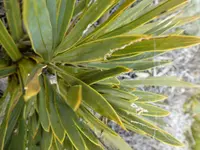
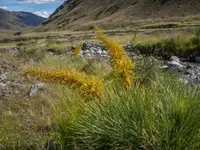
Aciphylla glaucescens is a spiky, tuft-forming perennial from New Zealand’s alpine and subalpine grasslands. It belongs to the carrot family but looks more like a small, rigid grass clump with stiff, narrow, bluish-green leaves. The plant forms dense rosettes and sends up tall flowering stems with clusters of small yellowish flowers, giving it a striking architectural look. It is adapted to harsh, windy, and well-drained mountain sites, which makes it slow growing and not ideal for very humid or heavy soils. Gardeners who want to care for Aciphylla glaucescens should provide sun, sharp drainage, and relatively lean soil to match its natural habitat.

Main Plant Requirements

Care Difficulty

Moderate Care

Light Preference

Full Sun

Water Requirements

Low Water

Temperature Preference

Cold Hardy

Hardiness Zone

7–9

Soil Texture

Sandy, Loamy, Rocky

Soil pH

Acidic (5.5–6.5), Slightly acidic (6.5–7.0)

Soil Drainage

Well-drained

Fertilization

Minimal (feed rarely)

Get Personalized Care Plan

Scan your plant to receive care tips personalized for your specific plant

Available on iOS and Android

How to Care for the Aciphylla glaucescens

This alpine species prefers cool, bright conditions with strong light but not extreme heat.

  • Provide 6–8 hours of full sun daily in cool or mild climates; in hotter areas, give full morning sun with light afternoon shade to prevent leaf scorch.
  • The plant tolerates light partial shade (around 3–4 hours sun), but dense shade causes weak, elongated growth and sparse foliage.
  • In summer, monitor for bleaching or crispy tips as a sign of excessive sun; in winter, ensure an open, unshaded position to maximize low-angle light.

This species prefers free-draining soil that dries slightly between waterings, reflecting its alpine origin.

  • Water only when the top 3–5 cm of soil feel dry, then soak thoroughly so excess drains away, whether in the ground or a container.
  • Reduce watering in autumn and winter, allowing the root zone to dry more deeply; cool, wet soil greatly increases rot risk for Aciphylla glaucescens.
  • Signs of overwatering include limp, yellowing lower leaves and a sour soil smell; dry, browning tips and lightweight soil indicate underwatering.

This hardy alpine plant favors cool conditions and tolerates significant cold once established.

  • Optimal growth occurs around 50–68°F (10–20°C), with steady cool conditions supporting compact, healthy rosettes and strong roots.
  • Mature plants usually tolerate drops to about 10–15°F (-12 to -9°C) with good drainage; prolonged freeze-thaw in waterlogged soil is more damaging than cold alone.
  • Heat above 80–85°F (27–29°C) can stress foliage; provide airflow and some afternoon shade in hot periods while avoiding hot reflected surfaces.

This alpine species is adapted to dry air, so humidity is rarely a concern in typical outdoor conditions.

This plant prefers sharply drained, mineral, and relatively poor soil that mimics its native rocky alpine habitat.

  • Use a sandy or gritty loam with plenty of coarse material to prevent water sitting around the roots.
  • Aim for slightly acidic to neutral pH, roughly 6.0–7.2, which suits most outdoor garden soils.
  • Blend 40–60% coarse sand or fine gravel with low to moderate compost to balance drainage and modest fertility.
  • Avoid heavy clay, compacted areas, or sites that stay wet in winter, as these greatly increase root rot risk.

This species can be grown in containers if the pot is set up to drain very quickly.

  • Choose a deep, heavy terracotta or stone pot to keep the tall, rigid foliage stable in strong wind.
  • Fill the bottom 3–5 cm with coarse gravel to speed drainage and reduce waterlogging around the crown.
  • Elevate the container on pot feet so excess water clears freely after rain and does not pool under the base.

This alpine species grows on poor soils and usually needs minimal feeding in cultivation.

  • Use a light top-dressing of fine compost or well-rotted leaf mold in early spring for established outdoor plants.
  • If container-grown, apply a balanced, dilute (¼–½ strength) liquid NPK fertilizer once in mid to late spring.
  • Avoid midsummer and autumn feeding, which can push soft growth unsuited to the plant’s tough, wiry habit.
  • Do not fertilize during winter dormancy; maintain care with plain water only when the soil is dry.

Pruning needs for Aciphylla glaucescens are low and mainly focused on tidiness and safety around its spiny foliage.

  • In late winter or very early spring, remove dead or winter-damaged leaves at the base with sharp hand pruners.
  • Cut back any diseased or rotting material promptly to maintain good airflow and reduce fungal problems.
  • Thin out badly crowded or inward-pointing leaves only if necessary to refine the clump outline.
  • Always wear sturdy gloves and work slowly to avoid injury from the stiff, sharply pointed leaf tips.

This species is better suited to open, permanent sites than to frequent repotting or disturbance.

  • Transplant in early spring into a sharply drained, low-fertility bed, disturbing the rootball as little as possible.
  • Look for signs such as roots circling a pot, slow growth, or quick drying soil before moving container plants up one size.
  • Plan on repotting containers only every 3–4 years, since mature plants dislike repeated disturbance.
  • Water thoroughly after transplanting, then keep soil just moist, shading lightly for 7–10 days to reduce transplant shock.

Propagation of Aciphylla glaucescens is mainly done from seed and can be slow and technical for beginners.

  • Sow fresh seed in late summer to autumn in deep pots with very free-draining, gritty mix.
  • Use a cold frame or an unheated, sheltered spot; many seeds need winter chilling to break dormancy.
  • Keep the medium just barely moist, avoiding prolonged saturation that encourages rot.
  • Leave seed pots for 12–18 months if needed, as germination can be delayed and irregular.

This hardy alpine copes well with typical outdoor winters in many cool climates and needs only light attention.

  • Tolerates frost and snow when planted in very well-drained soil on a slope or raised bed.
  • In colder or wetter regions, apply a thin gravel mulch to keep the crown dry over winter.
  • Avoid heavy organic mulches around the rosette, which can trap moisture and lead to rot.
  • Container-grown plants benefit from a cold, bright, frost-free porch or frame to prevent waterlogging.

Care Tips

Wind exposure management

Site plants where they receive steady airflow but are sheltered from extreme, desiccating winds, for example by placing them on the leeward side of rocks or low walls to reduce leaf shredding and winter burn.

Gravel collar mulching

Apply a 3–5 cm collar of coarse gravel or grit around the crown instead of organic mulch to keep the crown dry, reduce rot risk, and suppress weeds while matching the plant’s alpine habitat.

Winter drainage enhancement

Before wet winters, top-dress with a thin layer of sharp grit or small stones and clear nearby debris so surface water runs off quickly, which greatly lowers the chance of crown and root rot in cold, saturated soils.

Safe handling routine

Use sturdy gloves and long sleeves when planting, dividing, or cleaning around the plant to avoid injury from the rigid, spiny foliage and to allow more confident, precise maintenance work.

Companion rock placement

Position large stones or low rocks just west or north of the clump to shade the root zone, stabilize soil temperature, and create a more natural alpine microclimate that supports long-term growing Aciphylla glaucescens.

Common Pests and Diseases

Grass grub

This pest feeds on the roots, causing plants to lose vigor, wilt in dry periods, and eventually die back in clumps in open, grassy sites. Symptoms include poor anchoring in the soil and yellowing or stunted foliage despite adequate moisture.

Solution

Lift and inspect soil around affected plants in late spring to confirm C-shaped white grubs, then hand-remove where populations are low. For larger plantings, encourage natural predators such as birds, avoid over-irrigation that favors grub survival, and, if needed, use a targeted soil-applied biological control containing beneficial nematodes, following label directions for timing and soil temperature.

Porina caterpillar

This pest is a common issue in New Zealand alpine and subalpine grasslands, where larvae feed on foliage at night and hide in silk-lined burrows by day. Symptoms include irregular chewing damage on leaves and reduced plant density in patches.

Solution

Inspect at dusk or after dark with a torch to confirm night-feeding caterpillars, then manually remove larvae and destroy them. In larger areas, reduce dense surrounding grass cover that shelters larvae, encourage birds that feed on caterpillars, and consider a selective biological product based on Bacillus thuringiensis (Bt) timed to young larval stages.

Alpine rust

This disease appears as orange to brown pustules on leaves and stems, often developing in cool, moist conditions typical of high-elevation or coastal sites. Symptoms include discolored patches, premature leaf drop, and general weakening of plants over time.

Solution

Promptly remove and destroy affected leaves to reduce spore spread and avoid overhead watering that keeps foliage wet for extended periods. Improve air movement around clumps by spacing plants and reducing surrounding dense vegetation; in high-value collections, a registered rust-active fungicide can be used preventively during cool, wet periods according to label directions.

Leaf spot complex

This disease is caused by various fungi that take advantage of stress in cultivated plants, particularly in humid or poorly ventilated sites. Symptoms include small dark spots that may merge into larger lesions, sometimes with a pale or yellow halo, leading to thinning foliage.

Solution

Remove and discard affected foliage, and clear plant debris from around the crown to limit fungal carryover. Improve drainage and airflow, avoid wetting the foliage when irrigating, and apply a broad-spectrum fungicide if spotting continues to spread despite cultural corrections, especially in collections focused on Aciphylla glaucescens care.

Interesting Facts

Subalpine spear architecture

This species forms rigid, sharply pointed leaf segments that radiate from a central crown, creating a dense, spiky rosette adapted to withstand strong winds and grazing pressure in New Zealand subalpine grasslands.

New Zealand endemic umbel

Aciphylla glaucescens occurs naturally only in New Zealand, where it occupies high-altitude tussock and herbfield communities and contributes to the structural diversity of the native umbellifer flora.

Insect-pollinated flower heads

The plant produces branched flowering stems bearing many small, yellowish umbels that attract a range of insects, which act as pollinators in exposed, high-country habitats.

FAQs about Aciphylla glaucescens

This species is evergreen in suitable climates, holding its stiff, blue-green foliage year-round. In very cold or exposed sites, some leaf tips may scorch or die back, but the central crown usually remains alive and resumes growth.

Grow Healthy Plants with Botan Care

Keep your plants happy and healthy with plant identification, disease detection, and easy care guidance.

Botan plant care app — identify plants on mobile

Explore More Plants