Staggered Succession Sowing
Sow small batches every 2–3 weeks in late spring and early summer so flowering is spread out over a longer season rather than peaking all at once.

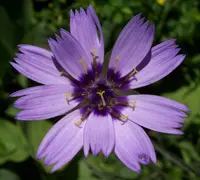
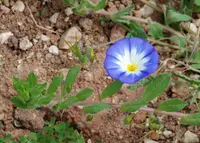
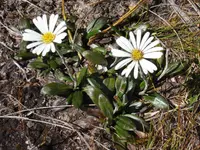
Cupid's dart (Catananche caerulea) is a compact, clumping perennial grown mainly for its papery, sky-blue, daisy-like flowers on slender stems. It forms narrow, gray-green basal leaves that give the plant a fine, grassy appearance in mixed borders or gravel gardens.
This species is native to dry, sunny areas of the Mediterranean region, which explains its preference for well-drained soils and low to moderate moisture. It suits gardeners looking for a sun-loving, relatively low-maintenance plant and is often used in cut and dried flower arrangements.
Those wanting to learn how to care for Cupid's dart should know it generally thrives in full sun, with lean, free-draining soil and careful watering that avoids waterlogging.

Care Difficulty
Easy Care

Light Preference
Full Sun

Water Requirements
Low Water

Temperature Preference
Cold Hardy

Hardiness Zone
4–9

Soil Texture
Sandy, Loamy, Rocky

Soil pH
Slightly acidic (6.5–7.0), Neutral (7.0)

Soil Drainage
Well-drained

Fertilization
Minimal (feed rarely)
Scan your plant to receive care tips personalized for your specific plant
Available on iOS and Android
This sun-loving Mediterranean perennial performs best in open, bright positions.
This plant prefers infrequent, deep watering with time to dry between soakings.
This species is adapted to temperate climates with cool winters and warm, dry summers.
This species handles typical household humidity well and rarely needs special adjustment.
This plant prefers light, well-drained soil that mimics its dry, open habitat.
This species is suitable for container growing in sunny, well-ventilated outdoor spots.
Catananche caerulea is light-feeding and performs well in moderately fertile, well-drained soil.
Catananche caerulea benefits from light, well-timed pruning to maintain flowering and a tidy shape.
This perennial is more often transplanted in garden beds than kept long term in containers.
Catananche caerulea is commonly renewed by seed and can also be increased by careful division.
This hardy perennial usually needs minimal winter attention in temperate climates.

Plant Health Check
Not sure what's wrong with your plant? Check your plant's health inside the app.
This species is native to dry, open habitats in the Mediterranean region, where it is adapted to thin, stony soils and hot, sunny conditions that many other perennials cannot tolerate.
The star-like flowers are surrounded by stiff, papery bracts that stay attractive long after the central florets fade, which makes the plant useful for dried flower arrangements.
Although often short-lived as a perennial, it readily self-sows under suitable conditions, so established plantings can persist for many years through successive generations.

The genus name Catananche comes from a Greek word meaning to compel or subdue, reflecting the plant’s historical reputation in classical antiquity as an ingredient in love potions, which led to the common name Cupid’s dart.
Lack of flowers often comes from too much shade, overly rich or wet soil, or plants that are still immature. Avoid heavy fertilizing, keep soil free‑draining, and deadhead spent blooms so energy goes into new flower production.
Keep your plants happy and healthy with plant identification, disease detection, and easy care guidance.