Foxglove Care (Digitalis purpurea Camelot Rose)

Foxglove

About Foxglove

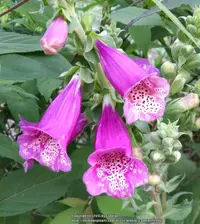
Foxglove Digitalis purpurea Camelot Rose is a short-lived perennial usually grown as a biennial, valued for its tall flower spikes and cottage-garden look. It forms a low rosette of soft, green leaves and sends up sturdy stems covered in tubular, rosy-pink blooms with speckled throats.

This cultivar is derived from wild foxgloves native to western Europe but is now widely grown in temperate gardens. It is relatively easy to grow if given cool to mild conditions, consistent moisture, and well-drained soil.

Understanding how to care for Foxglove starts with recognizing that it prefers partial sun, avoids extreme heat, and often self-seeds, slowly forming natural-looking drifts over time.

Main Plant Requirements

Care Difficulty

Moderate Care

Light Preference

Partial Sun

Water Requirements

Regular Water

Temperature Preference

Cool Climate

Hardiness Zone

4–9

Soil Texture

Loamy, Sandy, Organic-rich

Soil pH

Acidic (5.5–6.5), Slightly acidic (6.5–7.0)

Soil Drainage

Moist but well-drained

Fertilization

Light (every 4–6 weeks)

Get Personalized Care Plan

Scan your plant to receive care tips personalized for your specific plant

Available on iOS and Android

How to Care for the Foxglove

Digitalis purpurea Camelot Rose performs best in bright, gentle outdoor light rather than harsh, all-day sun.

  • Provide 4–6 hours of direct morning sun with light or dappled shade from early afternoon onward to reduce leaf scorch risk.
  • Allow partial shade in hotter climates, especially after 1–2 p.m.; in cooler regions it tolerates more direct sun during the day.
  • Watch for pale, leggy stems as a sign of too little light and crisped, brown leaf edges as a sign of excessive sun on this Foxglove.

Digitalis purpurea Camelot Rose prefers evenly moist, well-drained soil that never stays waterlogged.

  • Water when the top 3–5 cm of soil feels dry, soaking the root zone deeply, then let excess drain away fully.
  • Increase checks during hot, dry periods; slightly reduce watering in cooler months once flowering slows but do not allow complete drying.
  • Wilting with dry soil indicates underwatering, while yellowing lower leaves, soft stems, or a sour soil smell point to overwatering or poor drainage.

This plant grows best in cool to mild outdoor conditions and does not tolerate extreme heat or severe frost well.

  • Aim for active growth in 55–70°F (13–21°C); flowering is often strongest where summers stay below about 80°F (27°C).
  • Established plants usually tolerate brief dips to around 20°F (-6°C) with mulch, but hard freezes below this can damage crowns and roots.
  • Provide afternoon shade and extra soil moisture in heat waves above 85°F (29°C), and avoid sudden spring exposure after indoor or greenhouse starts.

Digitalis purpurea Camelot Rose manages well in average outdoor humidity but benefits from moderate moisture in the air.

  • Aim for ambient humidity around 40–60% when growing Foxglove in sheltered or patio settings.
  • Plants tolerate brief dry air but prolonged hot, arid conditions can cause leaf edge browning and faster flower fade.
  • Increase local humidity by grouping containers, adding mulch around the base, or placing a nearby water tray without letting pots sit in water.

Digitalis purpurea Camelot Rose prefers cool, moist yet sharply drained soil with a loose, airy structure.

  • Use a loamy mix with 40–60% garden soil, 20–30% compost, and 20–30% drainage material such as perlite or coarse sand.
  • Keep pH slightly acidic to neutral, around 6.0–7.0, which supports nutrient uptake and healthy root growth.
  • Improve aeration by incorporating chunky organic matter such as fine bark or leaf mold, avoiding heavy clay that compacts easily.
  • Avoid waterlogged, hardpan, or very alkaline soils, as these promote root rot and reduce vigor and flowering.

This species is suitable for container growing outdoors for one or two seasons.

  • Choose a deep, heavy pot to anchor the tall flowering spikes and prevent tipping in wind.
  • Select a container slightly wider than the rootball to allow vertical root development without excessive unused mix that stays wet.
  • Raise the pot on feet or bricks so drainage holes remain clear and excess water escapes quickly after rain or watering.

Digitalis purpurea Camelot Rose benefits from moderate feeding to support strong flowering without excessive leafy growth.

  • Apply a balanced, slow-release fertilizer (for example 10-10-10) at planting or early spring to support the main growth flush.
  • Supplement with a light liquid balanced feed at 1/2 strength every 4–6 weeks during active growth if soil is poor.
  • Use a thin layer of compost around the root zone as a top-dress, keeping it away from the crown to prevent rot.
  • Stop feeding in late summer to early fall so plants can harden off before winter and avoid soft, frost-tender growth.

Pruning Digitalis purpurea Camelot Rose focuses on removing spent growth and guiding rebloom rather than shaping.

  • Deadhead fading flower spikes in early to mid summer by cutting them back to a healthy leaf rosette to encourage side shoots and possible repeat bloom.
  • Remove any dead, diseased, or storm-damaged leaves at the base with clean, sharp hand pruners to maintain airflow and reduce fungal issues.
  • After flowering ends, cut the main stem down to the basal rosette unless seed collection is desired, which keeps plants tidy and reduces self-sowing.
  • Disinfect blades with alcohol between plants when disease is present to limit spread of leaf spots and other pathogens.

This cultivar is usually grown as a bedding or border plant, so focus on timely outdoor transplanting rather than frequent repotting.

  • Transplant young plants outdoors in spring after frost, when roots lightly fill their starter cells but are not circling the container heavily.
  • Choose a site with moist, well-drained soil and partial sun, then plant at the same depth as in the pot to avoid burying the crown.
  • Water thoroughly before and after transplanting, then provide light shade and consistent moisture for 7–10 days to reduce transplant shock.
  • Containers are short term; if roots densely coil around the pot or growth stalls, shift to a slightly larger container or into the ground once weather is mild.

Most gardeners renew Digitalis purpurea Camelot Rose by seed rather than vegetative methods, since it behaves as a short-lived perennial or biennial.

  • Sow fresh seed indoors in late winter to early spring on the surface of moist, sterile seed mix, as light helps germination.
  • Maintain 60–70°F and even moisture; seedlings typically emerge in 10–21 days under bright, indirect light.
  • Prick out seedlings once they have 2–3 true leaves, potting them on into small cells and avoiding root damage.
  • Harden off gradually outdoors over 7–10 days before planting out, reducing shock from direct sun and cooler temperatures.

This foxglove is generally cold hardy in temperate climates but benefits from simple winter preparation, especially in colder zones or containers.

  • In fall, leave the low basal rosette in place and remove only spent, tall flower stems to limit wind damage.
  • Apply 5–7 cm of loose mulch around, but not over, the crown to insulate roots while allowing airflow.
  • For containers, move pots into a sheltered, unheated but frost-sheltered area, or heel them into the ground to buffer freeze–thaw cycles.

Care Tips

Stake Early

Install slender stakes and soft ties when the flowering stems reach 20–30 cm to prevent wind rock and stem snapping once the tall spires are in full bloom.

Deadhead Selectively

Remove spent flower spikes promptly down to a healthy leaf rosette to encourage a longer bloom season, but leave 1–2 strong spikes to set seed if you want self-sown seedlings.

Rotate Planting Sites

Shift plantings to a fresh bed every 2–3 years to reduce buildup of soil-borne diseases and foxglove-specific pests in one location.

Use Protective Mulch

Apply a 3–5 cm layer of composted bark or leaf mold around, but not touching, the crowns to keep roots cool, limit soil splash that spreads fungal spores, and suppress weeds when growing Foxglove.

Inspect Flower Spires

Check tall spikes weekly during the growing season for aphids, leaf spots, or distorted blooms so that any pest or disease issue can be treated before it spreads along the whole stem.

Common Pests and Diseases

Foxglove aphids

These insects cluster on flowering spikes and young growth, sucking sap and causing distortion, sticky honeydew, and sooty mold on Digitalis leaves and stems.

Solution

Cut off and discard heavily infested flower spikes, then wash remaining stems and leaves with a strong stream of water to dislodge aphids. For ongoing infestations, use an insecticidal soap or neem oil spray directed at the undersides of leaves in the early morning, and encourage natural predators such as lady beetles by avoiding broad-spectrum insecticides nearby.

Slugs and snails

These pests chew irregular holes in leaves, especially on young rosettes, and can quickly skeletonize tender foliage in cool, damp conditions.

Solution

Hand-pick slugs and snails in the evening, remove hiding places such as dense mulch at the crown, and use iron phosphate bait around but not touching the plants. Copper barriers or rough grit (such as crushed eggshells or horticultural grit) around the base of plants can also reduce damage when combined with regular monitoring.

Powdery mildew

This disease causes white, powdery patches on leaves and stems, which can lead to yellowing, premature leaf drop, and weakened flowering stems in crowded or shaded plantings.

Solution

Remove and discard affected leaves to reduce spore load, then improve air circulation by thinning crowded plants and avoiding overhead watering. In persistent cases, apply a labeled sulfur or potassium bicarbonate fungicide at the first sign of symptoms and repeat as directed during warm, dry periods when caring for Foxglove outdoors.

Leaf spot

Symptoms include brown, tan, or purple speckled spots on leaves that may merge into larger lesions, often starting on lower foliage in wet or humid conditions.

Solution

Promptly remove and destroy affected leaves and fallen debris, and water at the soil level rather than over the foliage to keep leaves dry. If spotting continues, apply a copper-based or chlorothalonil fungicide according to label directions and rotate Foxglove plantings to new ground every few years to limit pathogen buildup.

Verticillium wilt

This disease causes one-sided wilting, yellowing, and eventual collapse of stems, often starting on lower leaves while the soil still appears adequately moist.

Solution

Remove and discard (do not compost) affected plants as soon as wilt is observed, along with as much of the root system as possible. Avoid replanting Digitalis or other susceptible hosts in the same spot for several years, improve soil drainage and organic matter, and choose clean nursery stock to reduce the chance of reintroduction.

Interesting Facts

Stable first-year flowering

Unlike many traditional foxglove strains that need vernalization (a cold period) to bloom well, the Camelot series was bred to flower reliably in the first year from seed, which makes it useful for predictable bedding and container displays.

Long-lasting floral display

Camelot Rose is known among breeders and growers for producing dense, tall spikes of rose-pink tubular flowers that hold their color and structure longer than many older Digitalis purpurea selections, extending the ornamental season in mixed borders.

Enhanced pollinator visibility

The large, speckled throats on Camelot Rose flowers provide strong visual nectar guides for bumblebees and other large pollinators, helping direct them efficiently into the corolla where pollen transfer occurs.

Botan icon

Did you know?

Camelot Rose belongs to one of the first Digitalis purpurea F1 hybrid series bred specifically for consistent performance in commercial greenhouse production, which is why plants tend to be very uniform in height, bloom time, and flower color compared with traditional open-pollinated foxgloves.

FAQs about Foxglove

Lack of flowering often comes from insufficient plant size in the first year, too much shade, poor soil fertility, or drought stress. Avoid heavy nitrogen fertilizer and keep soil consistently moist but not saturated to support strong bud formation.

Grow Healthy Plants with Botan Care

Keep your plants happy and healthy with plant identification, disease detection, and easy care guidance.

Botan plant care app — identify plants on mobile

Explore More Plants