


Stake Flower Spikes
Install discreet, thin stakes and soft ties before tall flowering stems fully elongate to prevent wind damage and keep the arching wands visible and upright.

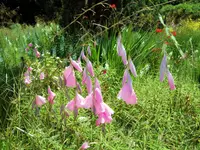
Devil's fishing rod, Dierama pulcherrimum, is a clump-forming perennial from South Africa, valued for its tall, arching flower stems and graceful look. It belongs to the iris family and grows from corms, forming narrow, grass-like leaves at the base.
In summer it carries dangling, bell-shaped flowers that sway in the wind, giving it a strong architectural presence in mixed borders and gravel gardens. It prefers sunny, open positions, well-drained soil, and consistent moisture during active growth.
Gardeners who care for Devil's Fishing Rod often find it long-lived once established, but it dislikes disturbance and heavy, waterlogged soils, which can make it slower or more difficult to establish.

Care Difficulty
Moderate Care

Light Preference
Full Sun

Water Requirements
Moderate Water

Temperature Preference
Cool Climate

Hardiness Zone
7–9

Soil Texture
Sandy, Loamy, Organic-rich

Soil pH
Acidic (5.5–6.5), Slightly acidic (6.5–7.0)

Soil Drainage
Moist but well-drained

Fertilization
Minimal (feed rarely)
Scan your plant to receive care tips personalized for your specific plant
Available on iOS and Android
This clump-forming perennial performs best in open, bright positions with consistent sun exposure.
This species prefers evenly moist but sharply drained soil, with drying at the surface between waterings.
This plant is hardy but flowers best where temperatures stay moderate and extremes are limited.
Dierama pulcherrimum is adapted to outdoor conditions and does not have strict humidity requirements when grown as Devil's Fishing Rod in temperate gardens.
Dierama pulcherrimum prefers deep, free-draining ground that never stays waterlogged.
This species can be grown in containers, but it performs best in large, deep pots outdoors.
Dierama pulcherrimum benefits from modest feeding in lean soils but often manages with minimal fertilizer in rich garden beds.
Pruning Dierama pulcherrimum is light and mainly cosmetic, aimed at keeping clumps tidy and flowering well.
This plant is usually grown in the ground; transplanting mature clumps of Dierama pulcherrimum should be done infrequently and with care.
Propagation of Dierama pulcherrimum is possible by seed or division, but both methods require patience and gentle handling.
Mature Dierama pulcherrimum is moderately cold hardy, but young or container plants benefit from simple winter protection in colder regions.

Plant Health Check
Not sure what's wrong with your plant? Check your plant's health inside the app.
This species produces long, arching flowering stems that can bend under their own weight, creating a fountain-like effect with bell-shaped flowers dangling from fine wiry stalks.
It is naturally found in montane grasslands of South Africa’s Drakensberg range, where it grows in cool, moist, open sites often near streams or seepage areas.
This plant belongs to the Iridaceae (iris family) and shares features such as narrow, linear leaves and flowers with three outer and three inner tepals, although its nodding bells are more delicate than typical garden irises.

In its native South African habitat, this plant often forms long-lived clumps that can persist for many years in the same spot, gradually increasing in size and producing more flowering wands each season when conditions remain cool and reliably moist.
Lack of flowers usually comes from insufficient light, young age, or recent division. This plant often needs 2–3 years to establish. Avoid heavy spring fertilizing and waterlogged soil, which encourage foliage at the expense of blooms.
Keep your plants happy and healthy with plant identification, disease detection, and easy care guidance.

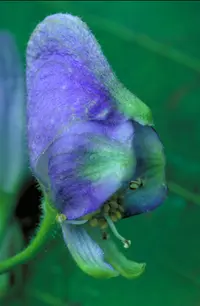
southern blue monkshood
Aconitum uncinatum
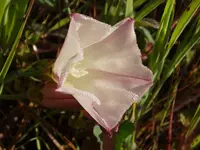
Pacific false bindweed
Calystegia purpurata
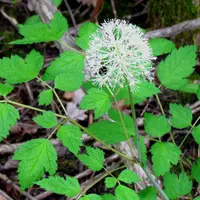
white baneberry
Actaea pachypoda
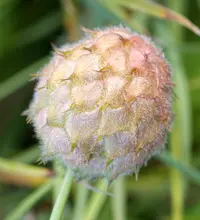
strawberry clover
Trifolium fragiferum
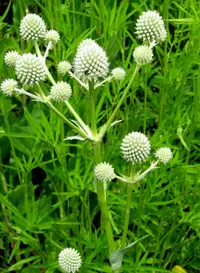
rattlesnake master
Eryngium yuccifolium
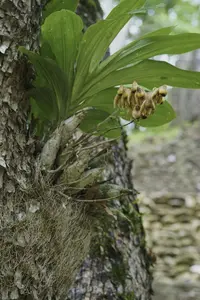
intact catasetum
Catasetum integerrimum
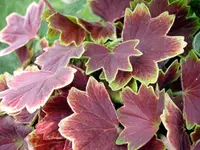
Zonal Geranium
Pelargonium x hortorum 'Vancouver Centennial'
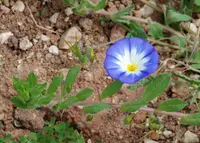
dwarf morning-glory
Convolvulus tricolor