Pacific false bindweed Care (Calystegia purpurata)

Pacific false bindweed

About Pacific false bindweed

Pacific false bindweed (Calystegia purpurata) is a perennial vine native to coastal regions of California and nearby areas. It often grows in dunes, coastal scrub, and open, sandy places.

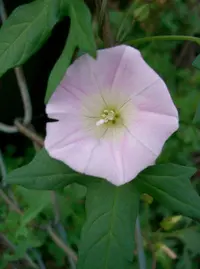
The plant produces twining stems, arrow-shaped leaves, and showy funnel-shaped flowers in soft white to pale purple tones. It can spread quite vigorously in the right conditions, creating dense green cover.

Calystegia purpurata prefers sunny, open sites with well-drained soil and tolerates dry, poor ground once established. In gardens it is useful for stabilizing banks or covering fences, but its strong growth means it needs space and some control. Learning how to care for Pacific false bindweed helps prevent it from becoming too dominant.

Main Plant Requirements

Care Difficulty

Easy Care

Light Preference

Full Sun

Water Requirements

Moderate Water

Temperature Preference

Cool Climate

Hardiness Zone

7–10

Soil Texture

Sandy, Loamy, Organic-rich

Soil pH

Slightly acidic (6.5–7.0), Neutral (7.0)

Soil Drainage

Well-drained

Fertilization

Minimal (feed rarely)

Get Personalized Care Plan

Scan your plant to receive care tips personalized for your specific plant

Available on iOS and Android

How to Care for the Pacific false bindweed

This coastal vine thrives with strong light but benefits from some protection from harsh conditions.

  • Provide 6–8 hours of direct sun daily, with morning sun and light afternoon shade ideal, especially in hotter inland sites.
  • In cooler coastal areas, full sun all day suits Pacific false bindweed, while in hotter regions, give it filtered light or dappled shade after 2–3 pm.
  • Watch foliage: pale, weak growth indicates too little sun, while scorched, crisp leaf edges suggest excessive afternoon exposure.

This species prefers evenly moist, well-drained soil that dries slightly between waterings.

  • Allow the top 3–5 cm of soil to dry before deep watering, then soak the root zone rather than sprinkling lightly and often.
  • In spring and early summer, increase watering as growth and temperatures rise; reduce frequency in late summer and during cool, dormant periods.
  • Monitor leaves for cues: drooping, thin leaves and dry soil signal underwatering, while yellowing, soft stems or a sour soil smell suggest overwatering and poor drainage.

This coastal perennial tolerates a broad temperature range but performs best in mild, frost-free conditions.

  • Aim for active growth in 60–75°F (16–24°C), which supports steady foliage and flowering without stress.
  • Calystegia purpurata typically survives brief drops to about 25°F (−4°C) once established, but repeated hard frosts can damage stems and buds.
  • In summer, it tolerates 85–95°F (29–35°C) if soil moisture is maintained; use mulch and light afternoon shade in prolonged heat waves to limit stress.

Humidity plays a minor role for Calystegia purpurata, which is adapted to relatively dry coastal air.

This species prefers light, fast-draining mineral soils and struggles in compact, waterlogged ground.

  • Use a sandy or sandy-loam mix with 20–30% compost to provide structure and moderate fertility.
  • Ensure very sharp drainage by blending in coarse sand or fine gravel, especially in heavier native soils.
  • Aim for slightly acidic to neutral pH (6.0–7.0), avoiding strongly acidic or alkaline conditions.
  • Avoid dense clay, peat-heavy, or constantly wet substrates that reduce aeration and promote root rot.

This vine can be grown in containers if the setup supports its vigorous trailing or climbing habit.

  • Choose a wide, heavy pot to prevent tipping as stems climb or sprawl over the rim or support.
  • Use a deep container (at least 30 cm) so roots can anchor firmly and resist wind stress on the vines.
  • Position the pot where stems can reach a trellis, railing, or nearby shrub to reduce tangling and stem breakage.

This coastal native vine needs only light feeding in most garden soils, so use fertilizer sparingly for Calystegia purpurata.

  • Apply a thin layer of compost or well-rotted manure in early spring to enrich the root zone.
  • If growth is weak, use a balanced 10-10-10 or 14-14-14 slow-release fertilizer at half label rate once in spring.
  • Avoid additional feeding in mid-summer onward on fertile soils to prevent excessive leafy growth.
  • Do not fertilize during winter dormancy; allow the plant to rest with minimal nutrient input.

Pruning helps keep Calystegia purpurata in bounds and supports healthy, floriferous growth.

  • Cut back dead, damaged, or weak stems in late winter or very early spring before strong new growth starts.
  • During the growing season, trim overly vigorous or wandering stems to control spread and maintain desired shape.
  • Use clean, sharp hand pruners or shears, making cuts just above a leaf node to encourage branching.
  • After flowering, lightly tidy spent or tangled growth if needed, avoiding cutting all green stems to preserve energy.

This vigorous native vine is usually grown in the ground, so management focuses on site transplanting more than container repotting.

  • Transplant in early spring or early fall when temperatures are mild and soil is workable.
  • Look for signs such as crowded shoots, bare centers, or roots circling a pot if grown in containers, then move to a slightly larger pot.
  • Lift and move with a generous soil root ball to limit root disturbance, watering thoroughly before and after transplanting.
  • Shade the plant lightly and keep soil evenly moist for 1–2 weeks after moving to reduce transplant shock and support re-establishment.

Gardeners usually grow Calystegia purpurata by vegetative methods, as the plant produces vigorous underground stems.

  • Divide established clumps in early spring, lifting sections with both roots and shoots, then replant promptly at the same depth.
  • Take 8–10 cm softwood or semi-ripe stem cuttings in late spring to summer and root them in a moist, free-draining mix.
  • Root rhizome pieces in pots or beds, keeping soil slightly moist and warm to stimulate sprouting.
  • Sow fresh seeds in autumn or early spring, providing light, well-drained soil and mild temperatures for germination.

In mild coastal climates this species is generally cold hardy and needs minimal winter care.

  • Tolerates light frosts once established, but young plants benefit from a 5–8 cm layer of organic mulch over the root zone.
  • In colder inland areas, allow top growth to die back naturally and leave mulch in place to insulate underground parts.
  • For container plants in regions with freezing winters, move pots to a sheltered, frost-free spot and keep soil barely moist.

Care Tips

Discreet Growth Control

Install sturdy, unobtrusive edging 20–30 cm deep around beds to limit rhizome spread and make it easier to remove unwanted runners before they invade nearby plants.

Targeted Trellis Training

Guide young stems onto wires or a mesh panel and loosely tie them with soft plant ties every 20–30 cm so the vine forms a controlled curtain rather than tangling into nearby shrubs or fences.

Rhizome Renewal Cycle

Every 3–4 years, lift and divide sections of the underground rhizomes in late winter, replanting only the strongest pieces to maintain vigor and prevent the clump from becoming congested.

Wind and Salt Management

In coastal or windy sites, position the plant on the leeward side of a fence or low shrub layer so stems are buffered from strong gusts and foliage suffers less salt burn.

Wildlife-Safe Pest Checks

Inspect flower buds and new shoots weekly during warm weather for aphids or leafhoppers and, if needed, rinse them off with a firm water spray in early morning to protect pollinator activity while still caring for Pacific false bindweed effectively.

Common Pests and Diseases

Bindweed gall mite

This pest is a tiny eriophyid mite that feeds on leaves and stems, causing distorted, swollen galls and puckered foliage on Pacific false bindweed. Symptoms include stunted shoots, thickened leaf tissue, and sometimes yellow or reddish patches where galls form.

Solution

Prune out and destroy heavily galled stems during the growing season and in winter to reduce mite populations, disinfecting tools between cuts. For large outbreaks, use a targeted miticide containing sulfur or horticultural oil applied thoroughly to young foliage, and avoid water stress so the plant can outgrow light damage as part of general Calystegia purpurata care.

Leaf spot

This disease is usually caused by fungi that create small brown, tan, or dark purple spots on leaves that may merge into larger blotches. Symptoms include premature yellowing and drop of the oldest leaves, especially in dense or poorly ventilated plantings.

Solution

Remove and discard affected leaves promptly and keep foliage as dry as possible by watering at the base in the morning. Improve spacing and airflow, avoid overhead irrigation, and if spotting continues, apply a copper-based or chlorothalonil fungicide labeled for ornamental vines at the first sign of new lesions.

Powdery mildew

This disease shows up as white to gray powdery patches on upper leaf surfaces, buds, and young stems, most often during warm days with cool, humid nights. Symptoms include dull, distorted leaves and reduced flowering if the infection is heavy.

Solution

Increase sun exposure and airflow where possible, thin or redirect congested stems, and avoid excess nitrogen that encourages soft, mildew-prone growth. At first appearance, treat with sulfur, potassium bicarbonate, or neem oil products labeled for powdery mildew, repeating as directed and making sure to coat both upper and lower leaf surfaces.

Aphids

These insects are small, soft-bodied sap feeders that cluster on tender shoot tips, leaf undersides, and flower buds, excreting sticky honeydew. Symptoms include curled or puckered new growth, reduced vigor, and sometimes sooty mold growing on the honeydew.

Solution

Spray infested shoots with a strong stream of water to knock aphids off, then follow with insecticidal soap or horticultural oil, ensuring thorough coverage of growing tips and leaf undersides. Encourage natural predators such as lady beetles by avoiding broad-spectrum insecticides and limiting high-nitrogen fertilization that drives very soft, aphid-prone growth.

Twining stem canker

This disease, typically caused by opportunistic fungi on wounded or stressed vines, produces sunken dark lesions on stems that may girdle individual twining shoots. Symptoms include wilting of sections beyond the canker and dieback of affected stems, especially after mechanical injury or heavy pruning in wet weather.

Solution

Cut out cankered stems several inches below visible damage and discard them, disinfecting pruning tools between cuts with alcohol or a 10% bleach solution. Reduce future problems by avoiding injury to stems, pruning only in dry weather, improving drainage and air movement around the base, and mulching lightly to limit splash of fungal spores from soil to lower shoots.

Interesting Facts

Endemic coastal vine

This species is native and largely restricted to coastal habitats of California, especially sandy bluffs, dunes, and coastal scrub, where it helps stabilize loose soils with its extensive rhizome system.

Flower color variation

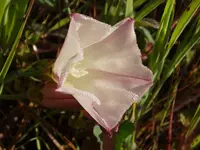
Its large funnel-shaped flowers range from creamy white to deep purplish-pink, often with subtle striping, and individual plants can show consistent color forms that reflect underlying genetic variation within the species.

Specialized pollinator support

The flowers open mainly during the day and are visited by native bees and other insects that can push past the fused petals, making the plant an important nectar and pollen resource in coastal ecosystems.

Botan icon

Did you know?

Some coastal populations of this species are adapted to survive in shifting dune systems, resprouting vigorously from underground stems after sand burial and helping to form more stable dune structures over time.

FAQs about Pacific false bindweed

This species spreads by creeping roots and twining stems and can form dense patches. It is not as aggressive as field bindweed but may still need edging, root barriers, or regular thinning in small gardens.

Grow Healthy Plants with Botan Care

Keep your plants happy and healthy with plant identification, disease detection, and easy care guidance.

Botan plant care app — identify plants on mobile

Explore More Plants