wolfsbane Care (Aconitum vulparia)

wolfsbane

About wolfsbane

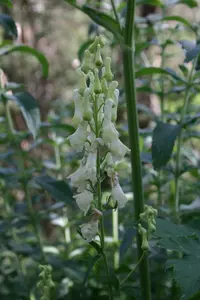
Aconitum vulparia, commonly called wolfsbane, is a herbaceous perennial from mountain and woodland regions of Europe. It forms upright clumps with deeply divided leaves and hooded, pale yellow flowers.

The plant usually grows in cool, moist, partially shaded habitats, often along forest edges or stream banks. It brings a dramatic, old-world look to shaded gardens.

Growth is fairly reliable where summers are not too hot and soil stays evenly moist but well drained. Once established, it dislikes being moved, which can make division and relocation challenging.

Gardeners who want to care for wolfsbane should focus on stable moisture, humus-rich soil, and protection from intense heat for best long-term performance.

Main Plant Requirements

Care Difficulty

Moderate Care

Light Preference

Partial Shade

Water Requirements

Keep Soil Moist

Temperature Preference

Cold Hardy

Hardiness Zone

4–7

Soil Texture

Loamy, Silty, Organic-rich

Soil pH

Acidic (5.5–6.5), Slightly acidic (6.5–7.0)

Soil Drainage

Moist but well-drained

Fertilization

Minimal (feed rarely)

Get Personalized Care Plan

Scan your plant to receive care tips personalized for your specific plant

Available on iOS and Android

How to Care for the wolfsbane

This woodland perennial prefers cool, filtered light rather than intense direct sun.

  • Provide 3–5 hours of morning sun with light or dappled shade in the afternoon, especially in warmer climates.
  • Plant wolfsbane where it receives partial shade; strong midday sun can scorch foliage and dry the soil too fast.
  • In hot summers, increase shade to protect from heat stress; in cooler regions, allow a bit more direct morning light to support flowering.

This species prefers consistently moist, cool soil without becoming waterlogged.

  • Water when the top 2–4 cm of soil feels slightly dry, aiming to keep deeper layers evenly moist during active growth.
  • Use rich, humus-based soil with good drainage; standing water, sour smell, or yellowing lower leaves suggest overwatering and poor aeration.
  • In spring and early summer, monitor closely during warm, dry spells; in cooler or rainy periods, reduce watering to avoid soggy conditions and root problems.

This hardy perennial is adapted to cool to mild outdoor conditions and tolerates winter cold well.

  • Optimal growth occurs around 55–70°F (13–21°C), with cool nights helping maintain sturdy stems and prolonged flowering.
  • Aconitum vulparia tolerates winter lows down to about 0°F (−18°C) once established, dying back to underground tubers and resprouting in spring.
  • Prolonged heat above 86°F (30°C) can cause stress; provide extra shade and mulch to keep the root zone cool during hot spells.

This species grows well in typical outdoor humidity and rarely needs special humidity control.

  • Aim for ambient humidity around 40–60% when sited near buildings or paved areas that can dry the air.
  • Plants tolerate brief drier spells, but prolonged hot, very dry air can cause leaf edges to brown and droop.
  • Increase humidity slightly by mulching the soil surface and grouping wolfsbane with other perennials to reduce moisture loss.

This plant prefers consistently moist, cool, humus-rich soil with reliable drainage.

  • Use a deep loamy mix enriched with leaf mold or compost to mimic woodland conditions and retain moisture without becoming waterlogged.
  • Ensure drainage by incorporating 20–30% coarse sand or fine grit so water moves through the root zone steadily.
  • Target a slightly acidic to neutral pH of about 6.0–7.0, avoiding strongly alkaline or chalky ground that can limit nutrient uptake.
  • For Aconitum vulparia, avoid compacted clay or thin, stony soil; loosen the top 20–30 cm and mix in organic matter to improve aeration.

This species can be grown in containers, but pots must be large and kept evenly moist to support its tall growth.

  • Choose a deep, heavy container that resists tipping when stems reach full height and become top-heavy in windy sites.
  • Fill the pot with a moisture-retentive, compost-rich mix over a coarse drainage layer so water does not collect at the base.
  • Position the container where it is shaded at root level, such as behind other pots, to keep the root zone cooler and reduce stress.

This woodland perennial benefits from modest feeding rather than heavy fertilization.

  • Apply a balanced, slow-release fertilizer (around 10-10-10) at half strength once in early spring as new growth starts.
  • In rich garden soil, supplement instead with a thin layer of compost around the root zone, keeping it off stems.
  • During active growth, 1 light feeding in mid-summer is enough for wolfsbane; avoid overfeeding, which encourages weak growth.
  • Stop fertilizing in late summer so shoots harden before winter and do not feed during dormancy.

Pruning Aconitum vulparia focuses on safety, tidiness, and supporting flowering performance.

  • In late winter or very early spring, remove dead, damaged, or diseased stems at the base with clean, sharp pruners.
  • After flowering, cut back spent flower spikes to encourage a neater clump and reduce unwanted self-seeding.
  • Thin very crowded stems lightly at the base to improve air flow and reduce fungal disease risk.
  • Wear gloves when handling, avoid crushing stems, and disinfect tools after use because all parts are poisonous.

This species is usually grown in the ground and dislikes frequent disturbance of its root system.

  • Plan transplanting for early spring or early fall when temperatures are mild and soil is evenly moist.
  • Move clumps only every several years, when flowering declines or growth becomes congested, to limit stress.
  • Lift the plant with a wide root ball, keep roots shaded and moist, and replant at the same depth in well-drained soil.
  • Water thoroughly after transplanting, then maintain consistent moisture and mulch lightly to stabilize soil temperature.

Propagation of Aconitum vulparia is possible but should be done carefully due to its toxicity.

  • Divide established clumps in early spring or early fall, keeping divisions large to reduce transplant shock.
  • Sow fresh seed outdoors in fall; natural winter cold provides stratification that improves germination.
  • For controlled seed starting, use cold stratification at 35–40°F for 6–8 weeks, then provide cool, bright conditions.
  • Always wear gloves, label plants clearly, and keep propagules away from children, pets, and edible crops.

This hardy perennial tolerates typical cold winters in most temperate regions with minimal intervention.

  • After frost blackens foliage, cut stems down to a few cm above soil level to reduce disease carryover.
  • Apply a 5–7 cm layer of mulch over the root zone in late fall, leaving a small gap around the crown.
  • Container-grown plants are less insulated; move pots to a sheltered, unheated but frost-free area if winters are severe.

Care Tips

Safe handling routine

Always wear gloves and long sleeves when working around the plant, keep tools dedicated to this area if possible, and wash hands and tools after handling to reduce the risk of sap contact or accidental ingestion.

Sturdy plant support

Install discrete stakes or a low wire support ring in early spring before stems elongate, so tall flowering shoots stay upright and are less likely to snap in wind or heavy rain.

Mulch for cool roots

Lay a 5–8 cm layer of leaf mold, composted bark, or pine needles around the root zone each spring to keep roots cool, conserve moisture, and reduce weed competition without covering the crown.

Division timing strategy

If clumps become crowded or flower quality declines, divide them in early spring just as shoots emerge, replanting divisions immediately at the same depth and watering thoroughly to settle soil around the roots.

Targeted slug control

In early spring, place wildlife-safe slug traps or barriers around emerging shoots and check them weekly, since protecting the first flush of growth is often enough to maintain strong flowering when growing wolfsbane.

Common Pests and Diseases

Leaf miners

This pest tunnels inside leaves, creating winding, pale trails that can distort foliage and reduce vigor.

Solution

Remove and destroy heavily damaged leaves to reduce larvae numbers, and keep the plant well watered and mulched so it can replace lost foliage; in severe cases, use a targeted systemic insecticide labeled for leaf miners in ornamental perennials, following label directions carefully.

Aphids

These insects cluster on young stems and flower spikes, sucking sap and causing curling, sticky, honeydew-covered growth that can attract sooty mold.

Solution

Spray stems and undersides of leaves with a strong stream of water to dislodge colonies, encourage natural predators such as lady beetles, and, if needed, apply insecticidal soap or a horticultural oil, making sure to cover all infested surfaces.

Powdery mildew

This disease produces white, powdery patches on leaves, especially in crowded or shaded plantings, which can lead to yellowing and premature leaf drop.

Solution

Improve air circulation by thinning nearby vegetation, avoid overhead watering, remove and dispose of infected leaves, and if the problem persists, apply a fungicide labeled for powdery mildew on perennials according to instructions.

Leaf spot

This disease causes brown or purplish spots on leaves that may merge into larger blotches, reducing the plant’s photosynthetic area and overall strength.

Solution

Promptly remove and discard affected foliage, irrigate at soil level to keep leaves dry, maintain good spacing in the bed, and use a suitable ornamental fungicide only when cultural steps do not keep the problem in check.

Slugs and snails

These pests chew irregular holes in young leaves and shoots, often leaving slime trails and ragged foliage, especially in cool, moist shade where this species is commonly grown.

Solution

Hand-pick slugs and snails in the evening, reduce hiding places such as dense mulch or debris around the crown, use barriers or iron phosphate bait products where pressure is high, and keep the soil surface just moist rather than saturated to make the habitat less favorable.

Interesting Facts

Pale yellow helmets

This species bears pale yellow, helmet-shaped flowers rather than the deep blue or purple blooms typical of most aconites, making it relatively easy to distinguish in mixed woodland stands.

Woodland lime specialist

It tends to occur in moist, shady forests on calcareous or base-rich soils in central and eastern Europe, where it grows with other lime-loving woodland herbs.

Hidden nectar access

The flowers are adapted for pollination by long-tongued bumblebees, which can reach the concealed nectaries inside the helmet-shaped upper sepal, while many short-tongued insects are excluded.

Botan icon

Did you know?

Historical herbals from central Europe sometimes mentioned this species alongside other wolfsbane types as a toxic plant of forests and ravines, reflecting early recognition of its strong poisonous properties even when it was not clearly distinguished from related aconite species.

FAQs about wolfsbane

All parts of this species are highly toxic to humans and animals if eaten, and sap can irritate skin. Always wear gloves when handling, avoid ingestion, and keep children, dogs, cats, and livestock away from planting areas.

Grow Healthy Plants with Botan Care

Keep your plants happy and healthy with plant identification, disease detection, and easy care guidance.

Botan plant care app — identify plants on mobile

Explore More Plants