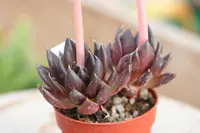
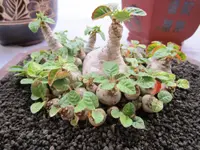
Common Tiptoothfig Care (Acrodon bellidiflorus)

Common Tiptoothfig

About Common Tiptoothfig

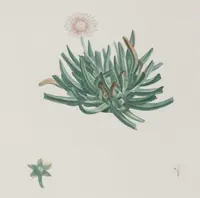
Common tiptoothfig, Acrodon bellidiflorus, is a compact, clump-forming succulent from the coastal regions of South Africa. It typically grows low to the ground, forming dense mats of fleshy, triangular leaves.

In season, it produces daisy-like flowers in shades of pink to purple, which stand out clearly above the foliage. The plant is adapted to bright, dry, windy habitats with sandy, fast-draining soils.

Acrodon bellidiflorus is generally considered easy to grow as long as excess moisture is avoided and light is strong. Those who want to learn how to care for Common Tiptoothfig should focus on providing sun, airflow, and sharp drainage.

Main Plant Requirements

Care Difficulty

Easy Care

Light Preference

Full Sun

Water Requirements

Low Water

Temperature Preference

Warm Climate

Hardiness Zone

9–11

Soil Texture

Sandy, Loamy, Rocky

Soil pH

Slightly acidic (6.5–7.0), Neutral (7.0)

Soil Drainage

Well-drained

Fertilization

Minimal (feed rarely)

Get Personalized Care Plan

Scan your plant to receive care tips personalized for your specific plant

Available on iOS and Android

How to Care for the Common Tiptoothfig

This compact South African succulent thrives in bright outdoor light with some protection from extremes.

  • Provide 6–8 hours of direct sun daily, best as morning sun with light afternoon shade, to support dense, floriferous growth in Common Tiptoothfig.
  • In very hot climates, give bright, filtered light or shade after 1–2 pm to prevent leaf scorching and sun-stressed purple or brown patches.
  • In cooler seasons, allow more direct sun and avoid deep shade, which leads to stretched, weak stems and sparse flowering.

This drought-tolerant succulent prefers infrequent, deep watering and very fast-draining soil.

  • Water only when the top 3–5 cm of soil is completely dry, then soak thoroughly so water runs through, allowing roots to access moisture briefly.
  • Use gritty, sharply drained soil; puddling on the surface or lingering wetness in the root zone signals poor drainage and high rot risk for Acrodon bellidiflorus.
  • Reduce watering in cool seasons, watching foliage for wrinkles or slight softening as indicators to water, while avoiding yellowing, mushy leaves that suggest overwatering.

This species prefers mild, dry conditions and dislikes prolonged cold or very humid heat.

  • Aim for 65–80°F (18–27°C) for active growth, providing slightly cooler nights to mimic its native climate and support compact growth.
  • Protect plants when temperatures drop near 30–32°F (-1–0°C); brief light frost may be tolerated, but repeated or hard freezes can damage foliage and roots.
  • During hot spells above 90°F (32°C), offer afternoon shade and good air movement to limit heat stress, especially in confined or reflective sites.

This compact succulent manages well in typical indoor humidity if excess moisture around foliage is avoided.

  • Ideal humidity is 30–50%, matching most heated homes and dry climates.
  • Tolerates dry air; problems arise more from prolonged dampness than low humidity.
  • Humidity stress appears as soft, waterlogged leaves or rot rather than crisp tips, so increase air movement instead of adding moisture.

This species needs a sharply draining, mineral-rich substrate to prevent root and stem rot.

  • Use a gritty mix: 50–70% coarse sand or fine gravel with the rest cactus mix or lean potting mix.
  • Aim for slightly acidic to neutral pH around 6.0–7.0 for best growth of Acrodon bellidiflorus.
  • Add perlite, pumice, or small stone chips to improve aeration and keep pores open between watering cycles.
  • Avoid compacted, peat-heavy, or water-retentive mixes that stay wet longer than 1–2 days after thorough watering.

This low, mat-forming succulent is well suited to container growing, including shallow dishes and troughs.

  • Choose a wide, shallow pot that matches its spreading habit, so surface roots are not buried in deep, wet substrate.
  • Select unglazed clay if faster moisture loss is needed in cool or humid climates to prevent lingering dampness.
  • Raise the container slightly on feet or spacers so drainage holes clear surfaces and water runs off quickly during rain or irrigation.

This compact succulent needs only light feeding to support flowering and healthy growth.

  • Use a balanced, low-nitrogen cactus or succulent fertilizer (around 5-10-10 NPK) diluted to 25–50% strength.
  • Feed Common Tiptoothfig once every 4–6 weeks during active growth in spring and summer.
  • Avoid fertilizing in late fall and winter when growth slows or stops.
  • Apply to moist soil, never to dry roots, to reduce fertilizer burn risk.

Pruning needs for Acrodon bellidiflorus are minimal and focus on tidiness and plant health.

  • Best time for light pruning is after the main flowering flush in late spring or early summer.
  • Remove dead, damaged, or shriveled stems and spent flower stalks with clean, sharp scissors.
  • Thin out crowded, leggy shoots to keep a low, compact mat and encourage new growth.
  • Disinfect tools before and after use to limit disease spread through small succulent wounds.

This shallow-rooted succulent prefers stable conditions and only occasional repotting or transplanting.

  • Repot or transplant every 2–3 years, or when roots circle the pot, drainage slows, or growth stalls.
  • Choose late spring as the best time, when active growth helps the plant recover from root disturbance.
  • Use a wide, shallow container with gritty, fast-draining mix to limit rot and support spreading shoots.
  • Handle roots gently, remove only loose soil, then keep slightly dry for 3–5 days to let any wounds heal.

Acrodon bellidiflorus is commonly propagated to expand groundcover patches or refresh older clumps.

  • Use stem cuttings or division as primary methods, with late spring to early summer as the best season.
  • For cuttings, take firm, non-flowering shoots, let cut ends callus 1–2 days, then place in gritty, just-moist mix.
  • For division, separate offsets with roots attached and replant at the original soil depth.
  • Provide bright light, warm temperatures (68–75°F), and very light watering until strong roots form.

This succulent has moderate cold tolerance but benefits from simple winter care in colder climates.

  • In-ground plants handle brief light frosts but may suffer damage below about 25°F, especially in wet soil.
  • In USDA zones colder than 9, grow in containers and move indoors to a bright, cool, frost-free spot for winter.
  • Keep soil markedly drier in winter, watering just enough to prevent shriveling and reduce rot risk.
  • Use a light gravel mulch around the crown to improve drainage and shield the base from repeated freeze-thaw.

Care Tips

Low bowl planting

Use a wide, shallow container rather than a deep pot to encourage a dense mat of growth and prevent the roots from sitting in unused, wet soil at the bottom.

Grit top-dressing

Apply a 0.5–1 cm layer of fine gravel or horticultural grit on the soil surface to keep the crown dry, reduce algae and moss, and protect leaves from soil splash during watering.

Winter rain protection

In climates with cool, wet winters, place containers under a clear overhang or use a simple cold frame to keep excess rain off the plant while still allowing high light and air movement.

Flowering flush management

After the main flowering flush, lightly groom by removing spent blooms and any shriveled leaves so the plant can redirect energy into new shoots and roots instead of seed production.

Division for renewal

Every 3–4 years, lift and gently divide congested clumps in late spring, replanting only the firm, healthy sections to maintain vigor and manage space when growing Common Tiptoothfig.

Common Pests and Diseases

Mealybugs

This pest often hides in leaf bases and along stems, sucking sap and causing stunted growth and distorted new leaves. Symptoms include white, cottony clusters and sticky honeydew on nearby surfaces.

Solution

Isolate the plant, then dab visible insects with cotton swabs dipped in 70% isopropyl alcohol and gently wipe affected areas. Improve light and airflow, and repeat alcohol or insecticidal soap treatments weekly until no new insects appear, taking care to reach tight crevices in the mat of foliage when handling Acrodon bellidiflorus care.

Aphids

These insects congregate on fresh shoots and flower stalks, feeding on sap and causing curling or yellowing of the soft tissue. Sticky honeydew and sooty mold can develop on and around the plant.

Solution

Rinse the plant with a firm but gentle stream of water to dislodge colonies, then treat remaining insects with a dilute insecticidal soap, ensuring full coverage of tender growth. Monitor new growth closely for several weeks and repeat treatment at 5–7 day intervals if any aphids return.

Spider mites

This pest thrives in hot, dry conditions and feeds on the succulent leaves, causing fine stippling, dull coloration, and eventual leaf drop. Symptoms include very fine webbing between leaves and stems.

Solution

Raise local humidity slightly, then rinse foliage thoroughly, including the undersides of leaves, to remove mites and webbing. Follow with applications of horticultural oil or insecticidal soap every 5–7 days for several cycles, keeping the plant in bright, indirect sun until fully recovered.

Leaf spot

This disease causes localized tan, brown, or dark purple spots on the fleshy leaves, sometimes with a slightly sunken or water-soaked appearance. Severe infections may cause leaves to yellow and collapse.

Solution

Remove and discard affected leaves, then keep foliage dry by watering at soil level and avoiding overhead irrigation. Improve air circulation around the plant and, if spotting continues to spread, apply a labeled copper or sulfur-based fungicide according to package directions, especially during prolonged humid weather.

Interesting Facts

Winter rain specialist

This species is native to the winter rainfall regions of South Africa’s Western and Eastern Cape, where it grows in open, rocky grasslands and flowers mainly in the cooler, wetter months rather than in summer.

Daisy-like ice plant

Although it belongs to the ice plant family (Aizoaceae), its flower heads resemble small pink-and-white daisies, which is reflected in the name bellidiflorus, meaning daisy-flowered.

Daylight-responsive blooms

The flowers open in bright light and tend to close in low light or at night, an adaptation that helps protect pollen and reproductive structures from moisture and nocturnal herbivores.

Botan icon

Did you know?

In its natural habitat, this mat-forming succulent often grows in shallow soil pockets among stones, where its dense, low cushions help stabilize small patches of soil and create tiny microhabitats for other invertebrates and seedlings.

FAQs about Common Tiptoothfig

Poor flowering usually comes from insufficient light, overly rich or constantly moist soil, or lack of a short cool, dry rest. Avoid high-nitrogen fertilizer, keep the plant slightly drier in winter, and ensure strong light exposure.

Grow Healthy Plants with Botan Care

Keep your plants happy and healthy with plant identification, disease detection, and easy care guidance.


Botan plant care app — identify plants on mobile

Explore More Plants