Sweet Almond Bush Care (Aloysia virgata)

Also known as: Sweet Almond Verbena
Sweet Almond Bush

About Sweet Almond Bush

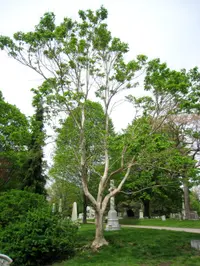
Sweet almond bush (Aloysia virgata) is a fast-growing, woody shrub known for its strong, sweet, almond-like fragrance. It is typically grown as an ornamental plant in warm climates and can be trained as a large shrub or small tree with arching branches.

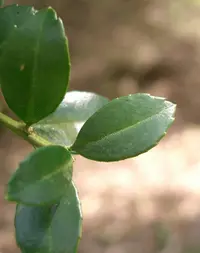
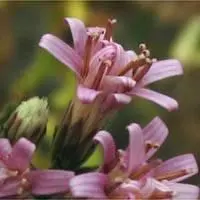
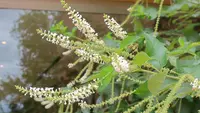
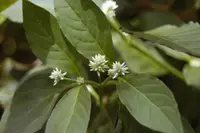
Native to South America, it thrives in regions with mild winters and long, warm growing seasons. The narrow, slightly rough leaves and long, white flower spikes attract butterflies and other pollinators.

This species is considered relatively easy to grow when provided with full sun, well-drained soil, and moderate moisture. Understanding how to care for Sweet Almond Bush helps it flower more reliably and maintain a tidy shape.

Main Plant Requirements

Care Difficulty

Easy Care

Light Preference

Full Sun

Water Requirements

Moderate Water

Temperature Preference

Warm Climate

Hardiness Zone

8–11

Soil Texture

Sandy, Loamy, Organic-rich

Soil pH

Acidic (5.5–6.5), Slightly acidic (6.5–7.0)

Soil Drainage

Well-drained

Fertilization

Minimal (feed rarely)

Get Personalized Care Plan

Scan your plant to receive care tips personalized for your specific plant

Available on iOS and Android

How to Care for the Sweet Almond Bush

Aloysia virgata needs abundant sun to flower well and stay compact.

  • Provide 6–8 hours of direct sun daily; morning sun with light afternoon shade suits most climates.
  • In hot regions, protect from harsh west-facing afternoon sun to reduce leaf scorch and moisture stress.
  • The shrub tolerates light partial shade (4–5 hours sun) but flowering decreases; in winter, maximize exposure by avoiding shadows from buildings or trees.

This shrub prefers consistent moisture with brief drying between waterings.

  • Outdoors in the ground, water when the top 3–5 cm of soil feel dry, applying a slow, deep soak to wet the root zone.
  • Use well-drained soil; soggy conditions cause yellowing leaves, soft stems, and root rot, especially on heavy clay sites.
  • In hot, dry weather, drying and leaf curl signal underwatering; reduce frequency in cool seasons while still preventing the root ball from becoming bone dry.

This plant favors warm, frost-free conditions and reacts quickly to cold extremes.

  • Optimal growth occurs around 65–85°F (18–29°C), with best flowering in consistently warm, bright sites.
  • It tolerates short spikes to 95°F (35°C) if soil moisture is stable and roots are mulched to limit heat stress.
  • Growth slows below 50°F (10°C); light frost can damage tips, and repeated freezes below 28°F (-2°C) may kill stems to the ground or the whole plant.

This species handles a wide humidity range but benefits from moderate moisture in the air.

  • Aim for 30–50% humidity, which suits typical homes where Sweet Almond Bush is grown.
  • It tolerates relatively dry air, but prolonged exposure with high heat can crisp leaf edges and tips.
  • Increase humidity by grouping plants outdoors near other containers or placing a water tray nearby without letting roots sit in water.

Aloysia virgata prefers light, sharply drained soil that does not stay wet after watering or rain.

  • Use a sandy or loamy mix with plenty of structure, such as 50–60% potting soil blended with coarse sand or fine gravel for faster drainage.
  • Incorporate 20–30% compost or well-rotted organic matter to support nutrient holding without making the mix heavy or waterlogged.
  • Keep pH slightly acidic to neutral, around 6.0–7.0, avoiding strongly alkaline soils that can reduce nutrient availability and cause yellowing leaves.
  • Improve aeration by adding perlite or pine bark fines so roots receive ample oxygen and are less prone to rot in wet periods.

This species is well suited to container growing, especially on patios, decks, or near outdoor seating.

  • Choose a deep, heavy container that resists tipping, since the shrub becomes tall and somewhat top-heavy in wind.
  • Select a pot material that matches your climate, such as terracotta for drier roots in humid regions or plastic to slow drying in hot, arid areas.
  • Elevate the container on pot feet or bricks so drainage holes stay clear and water does not pool under the base after rain or irrigation.

Aloysia virgata responds well to moderate feeding during the warm growing season for steady growth and flowering.

  • Use a balanced, slow-release fertilizer (for example 10-10-10) or a light topdressing of compost in spring.
  • Feed container-grown Sweet Almond Bush every 6–8 weeks in spring and summer; in-ground plants often need less.
  • Apply fertilizers at half the label rate for young or stressed plants to limit root burn.
  • Stop feeding in fall and winter, when growth slows, to avoid weak, frost-tender shoots.

Pruning Aloysia virgata helps control size, maintain structure, and encourage dense, floriferous growth.

  • Carry out main pruning in late winter or very early spring before vigorous new growth begins.
  • Remove dead, damaged, or crossing stems first, then thin congested interior growth to improve light and airflow.
  • Shorten overly long shoots to shape the shrub and promote branching, which supports heavier flowering.
  • Use clean, sharp bypass pruners and make cuts just above outward-facing buds or side branches.

This shrub is usually grown in the ground, but container specimens and young plants benefit from thoughtful transplanting.

  • Look for roots circling the pot, water running straight through, or slowed growth as signs a container plant needs more space.
  • Plan transplanting or up-potting for late winter to early spring, once frost risk is low and before strong new growth.
  • For containers, shift up 1–2 pot sizes using a free-draining mix, gently loosening circling roots without tearing heavily.
  • Water thoroughly after planting, provide light shade and shelter from strong wind for 1–2 weeks, and keep soil evenly moist to reduce transplant stress.

Aloysia virgata is most commonly propagated from semi-ripe cuttings taken during the active growing season.

  • Take 8–12 cm semi-ripe stem cuttings in late spring to mid-summer from non-flowering shoots.
  • Remove lower leaves, dip the cut end in rooting hormone, and insert into a free-draining mix such as perlite and peat or coco coir.
  • Maintain high humidity with a vented cover, bright indirect light, and bottom warmth around 70–75°F for best rooting.
  • Sow fresh seeds in spring in a light seed-starting mix, keeping slightly moist and warm to encourage germination.

This plant is frost-sensitive and needs protection in cooler climates, especially when grown in containers.

  • In regions below USDA zone 9, treat as a tender shrub and expect top growth to be damaged by hard frost.
  • Apply a 5–8 cm mulch layer around the root zone in late fall, keeping it slightly away from the main stems.
  • Move container plants indoors or into a bright, frost-free space when nights approach 35–40°F.
  • In mild winter areas, reduce watering, avoid feeding, and accept some leaf drop as normal seasonal behavior.

Care Tips

Wind-aware placement

Site the plant where it gets good air movement but is protected from strong prevailing winds, which can snap young branches and strip flower clusters; use fences or taller shrubs as windbreaks in open gardens.

Structured formative pruning

In the first 2–3 years, selectively remove weak, crossing, or very low branches in late winter to create 3–5 strong framework stems that will better support the plant’s mature height and heavy flowering wood.

Seasonal rejuvenation cuts

Every 3–4 years, cut back 1–2 of the oldest main stems close to the base in late winter, encouraging vigorous new shoots that flower more heavily and keep the shrub from becoming overly woody and sparse.

Targeted staking support

On young or top-heavy plants, drive one or two sturdy stakes outside the root zone and tie stems loosely with soft ties, then lower or remove the ties once the wood has thickened and can support its own weight.

Pollinator-friendly positioning

Plant near patios, paths, or seating areas where the fragrance can be enjoyed, but allow some open space around the shrub so pollinators can access flowers easily, which also helps with natural pest control when growing Sweet Almond Bush.

Common Pests and Diseases

Spider mites

This pest often appears in hot, dry conditions and feeds on leaf sap, causing fine stippling, dull foliage, and webbing along stems and leaf undersides.

Solution

Increase humidity around the plant, hose down foliage thoroughly to remove mites and webs, and treat undersides of leaves with insecticidal soap or a ready-to-use neem oil spray every 7–10 days until new growth appears clean.

Whiteflies

These insects are attracted to lush, fragrant foliage and gather on leaf undersides, leading to leaf yellowing, sticky honeydew, and sooty mold on Aloysia virgata.

Solution

Shake or tap branches to check for small white insects flying up, then use yellow sticky traps, rinse foliage with water, and follow with repeated applications of insecticidal soap focused on the undersides of leaves.

Aphids

This pest clusters on young shoots, flower buds, and tender stems, sucking sap and causing distorted new growth, sticky honeydew, and occasional sooty mold development.

Solution

Prune off heavily infested shoot tips, wash remaining stems and leaves with a strong but controlled spray of water, and apply insecticidal soap or horticultural oil to new growth every 5–7 days until populations decline.

Powdery mildew

This disease produces white, powdery patches on leaves and young stems, especially in warm conditions with poor air movement, leading to leaf distortion and premature drop.

Solution

Improve air circulation by thinning crowded branches, avoid overhead watering late in the day, remove heavily infected leaves, and, if needed, use a labeled sulfur or potassium bicarbonate-based fungicide applied according to Aloysia virgata care instructions.

Sooty mold

This disease develops as a black, soot-like coating on leaves and stems growing on the sugary honeydew secreted by sap-feeding insects, reducing light reaching the leaves and weakening the plant over time.

Solution

Control the underlying insect issue such as whiteflies or aphids, then gently wash affected foliage with water and a small amount of mild soap to remove the mold, ensuring the plant receives good airflow and adequate light for recovery.

Interesting Facts

Night-scented blossoms

This species releases most of its fragrance in the evening and at night, when its small white flowers emit a strong, sweet, almond-like scent that can carry several meters in still air.

Moth and butterfly magnet

The long, spike-like flower clusters produce abundant nectar that attracts many nocturnal moths as well as diurnal butterflies and bees, making the shrub a useful support plant for pollinator-friendly gardens.

Subtropical growth habit

Native to warm regions of South America, this shrub grows as an evergreen or semi-evergreen in frost-free climates but often behaves as a die-back perennial where light frosts occur, resprouting from the base in spring.

Botan icon

Did you know?

In parts of its native range in South America, this plant is sometimes used as an informal indicator of seasonal change, as its heaviest flowering and fragrance peaks typically coincide with the warmest, most stable weather periods of the year.

FAQs about Sweet Almond Bush

Poor flowering usually comes from insufficient light, heavy or nutrient-poor soil, or lack of pruning. Ensure full sun, well-drained soil, and remove old, woody stems after flowering to stimulate fresh growth and more blooms next season.

Grow Healthy Plants with Botan Care

Keep your plants happy and healthy with plant identification, disease detection, and easy care guidance.

Botan plant care app — identify plants on mobile

Explore More Plants