


Pinch For Bushiness
Regularly pinch out soft shoot tips once stems have 3–4 leaf pairs to keep the plant compact, encourage more flowering shoots, and prevent it from becoming leggy indoors.

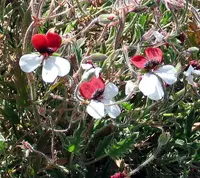
Tricolour storksbill, Pelargonium tricolor, is a compact, shrubby pelargonium grown mainly for its striking patterned leaves and small, bicoloured to tricoloured flowers. It forms a low, branching plant that works well in pots, rock gardens, and sunny borders.
This species is native to dry regions of South Africa, so it is adapted to bright light, good air movement, and brief dry spells. Its fleshy stems and roots store water, which makes it relatively forgiving of occasional missed watering but sensitive to waterlogged soil.
In cultivation, it stays neat with light pruning and prefers a sunny position, sharply drained soil, and moderate watering. Once its basic needs are understood, it is not difficult to care for Tricolour Storksbill.

Care Difficulty
Moderate Care

Light Preference
Full Sun

Water Requirements
Moderate Water

Temperature Preference
Tropical / Frost Sensitive

Hardiness Zone
10–11

Soil Texture
Sandy, Loamy, Organic-rich

Soil pH
Slightly acidic (6.5–7.0), Slightly alkaline (7.0–7.5)

Soil Drainage
Well-drained

Fertilization
Light (every 4–6 weeks)
Scan your plant to receive care tips personalized for your specific plant
Available on iOS and Android
Pelargonium tricolor needs bright sun to keep its foliage compact and colorful.
Pelargonium tricolor prefers thorough but infrequent watering in fast-draining soil.
This species thrives in mild, dry conditions rather than extremes of heat or cold.
This species prefers relatively dry air and usually thrives at 30–50% humidity without special measures.
Pelargonium tricolor prefers a light, sharply draining mix that dries quickly between waterings.
This species is well suited to container culture, especially in climates with cool or wet winters.
This compact perennial benefits from light, consistent feeding during its active growth for best foliage color and flowering in Tricolour Storksbill.
Pelargonium tricolor responds well to light, structured pruning that maintains a compact, flowering shape.
This species prefers slightly snug containers and only needs repotting or transplanting when growth or root health is clearly affected.
This plant is most commonly propagated from stem cuttings, which preserve the variegated characteristics of Pelargonium tricolor.
This plant is frost sensitive and needs thoughtful winter care in most temperate climates.

Plant Health Check
Not sure what's wrong with your plant? Check your plant's health inside the app.
This species is naturally restricted to a small area of South Africa’s Western Cape, where it grows in shallow soils over sandstone in winter-rainfall fynbos vegetation.
Its common name refers to the patterned foliage, which typically combines green, cream, and darker zonal markings, making the leaves as visually important as the flowers.
The flowers often show a clear three-colour pattern, with white or pale petals marked by dark maroon and pink to red zones, an effect that is more pronounced on the upper petals.

Pelargonium tricolor has attracted specialist interest among botanists and collectors because it is both geographically restricted and morphologically distinctive within the genus, and it is maintained in several South African and international conservation collections as an ex-situ safeguard for its limited wild populations.
Insufficient light, overly rich nitrogen fertilizer, or lack of a cooler, drier rest period often reduce flowering. Use a balanced fertilizer, avoid heavy pruning late in the season, and ensure some temperature drop between day and night.
Keep your plants happy and healthy with plant identification, disease detection, and easy care guidance.

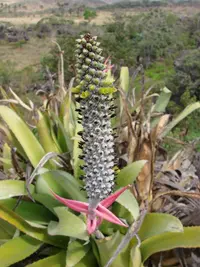
Aechmea bromeliifolia
Aechmea bromeliifolia
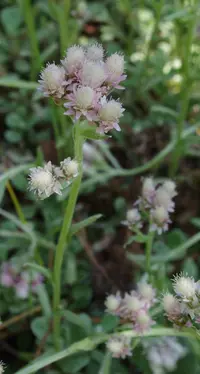
field pussytoes
Antennaria neglecta

Toumey's century plant
Agave toumeyana
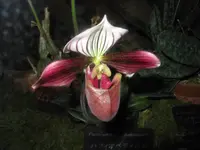
Purple Paphiopedilum
Paphiopedilum purpuratum
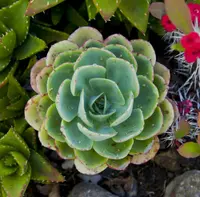 POPULAR
Mexican Snowball
Echeveria elegans
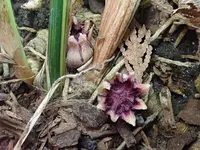
Variegated Cast Iron Plant
Aspidistra elatior 'Variegata'
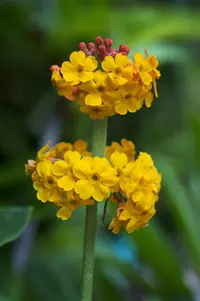
Bulley's Primrose
Primula bulleyana
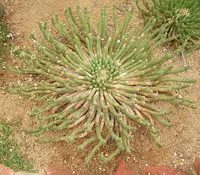
Porcupine Vingerpol
Euphorbia inermis