Train Young Vines
Install a low wire, shrub branch, or small trellis early in the season and gently tie new stems with soft ties so the plant can climb and spread where desired instead of smothering nearby plants.

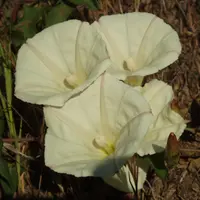
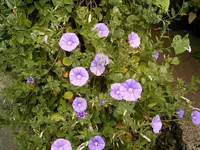
Chaparral false bindweed (Calystegia occidentalis) is a perennial, twining vine native to dry, open habitats of western North America, especially chaparral and scrub. It typically has slender stems, arrow-shaped leaves, and funnel-shaped white to pale yellow flowers that open in sunlight.
This species spreads along the ground or over nearby shrubs, creating a loose, natural-looking cover rather than a dense hedge. It adapts to poor, rocky soils and seasonal drought, which can make it easier to maintain in low-water landscapes.
Those who want to care for chaparral false bindweed should note that it prefers full sun, well-drained soil, and only occasional supplemental water once established.

Care Difficulty
Easy Care

Light Preference
Full Sun

Water Requirements
Low Water

Temperature Preference
Cold Hardy

Hardiness Zone
6–10

Soil Texture
Sandy, Loamy, Rocky

Soil pH
Slightly acidic (6.5–7.0), Neutral (7.0)

Soil Drainage
Well-drained

Fertilization
Minimal (feed rarely)
Scan your plant to receive care tips personalized for your specific plant
Available on iOS and Android
This drought-adapted vine prefers bright, direct conditions similar to its native chaparral habitats.
This species prefers dry to moderately moist soil and is adapted to seasonal drought.
This hardy perennial tolerates a wide temperature range typical of dry western climates.
This species is adapted to dry, open habitats, so humidity is rarely a concern in typical homes or gardens.
This drought-adapted vine prefers lean, fast-draining soil that mimics its native chaparral slopes.
This species can be grown in containers if drainage and support for its twining growth are carefully managed.
This drought-adapted native vine, chaparral false bindweed, generally needs only light feeding in poor soils.
Calystegia occidentalis benefits from modest, targeted pruning to manage spread and keep vines tidy.
This species is usually grown in the ground, so management focuses on careful transplanting rather than frequent repotting.
Calystegia occidentalis is commonly propagated by division, root pieces, or seeds when a larger planting is desired.
This North American native is generally cold hardy in its range and needs minimal winter care in the ground.

Plant Health Check
Not sure what's wrong with your plant? Check your plant's health inside the app.
This species is native to western North America and is especially characteristic of California chaparral and dry, open woodlands, where it tolerates nutrient-poor, rocky soils and seasonal drought.
Its funnel-shaped flowers range from white to creamy yellow or pale pink, often with subtle striping, and this natural color variation is one feature used by botanists to distinguish it from related bindweeds.
Although it climbs by twining stems around nearby shrubs and grasses, this species typically remains a modest component of native plant communities and is not considered aggressively invasive within its natural range.
This species spreads by rhizomes and stems that creep or twine, forming low, patchy colonies over time. It is not usually invasive in dry, low-fertility sites but can overtake small, irrigated beds without edging or periodic thinning.
Keep your plants happy and healthy with plant identification, disease detection, and easy care guidance.