Support And Training
Provide a slim moss pole or rough stake and loosely tie stems with soft ties to encourage upright, compact growth and larger, better-shaped leaves.

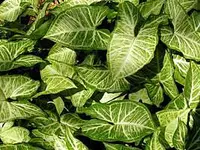
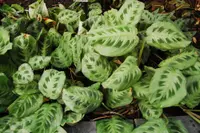
Syngonium angustatum, commonly called fivefingers, is a compact aroid grown mainly for its slender, finger-like leaves and neat, trailing or climbing habit. It is usually kept as a foliage houseplant rather than for flowers.
In nature it occurs in tropical forest understories of Central and South America, where it grows as a climber on trees in warm, humid shade. Its moderate growth rate, tolerance of typical indoor humidity, and ability to adapt to different light levels make it relatively straightforward for many owners.
Those traits mean how to care for fivefingers is broadly similar to other indoor aroids: bright, indirect light, evenly moist but not waterlogged soil, and a free-draining potting mix.

Care Difficulty
Easy Care

Light Preference
Bright Indirect Light

Water Requirements
Moderate Water

Temperature Preference
Tropical / Frost Sensitive

Hardiness Zone
11–12

Soil Texture
Loamy, Peaty, Organic-rich

Soil pH
Acidic (5.5–6.5), Slightly acidic (6.5–7.0)

Soil Drainage
Moist but well-drained

Fertilization
Light (every 4–6 weeks)
Scan your plant to receive care tips personalized for your specific plant
Available on iOS and Android
This species prefers bright, indirect light that mimics a dappled forest canopy.
Syngonium angustatum prefers consistently slightly moist, but not saturated, soil.
This species grows best in stable, warm conditions without sudden temperature swings.
This species prefers moderately high humidity and reacts when air is too dry.
This plant prefers a loose, airy, organic-rich mix that drains quickly yet holds some moisture.
This species is well suited to container growing due to its compact, climbing habit.
Syngonium angustatum benefits from modest, consistent feeding during active growth for steady foliage production.
Thoughtful pruning keeps Syngonium angustatum compact, fuller, and encourages fresh foliage.
Container-grown plants benefit from periodic repotting to maintain root health and stable growth.
This species is commonly propagated to create new plants or rejuvenate older vines.
This tropical species is frost-sensitive and needs mild indoor-style conditions in winter.

Plant Health Check
Not sure what's wrong with your plant? Check your plant's health inside the app.
Among arrowhead vines, this species is recognized by its relatively narrow, elongated juvenile leaves that often stay less deeply lobed than many related Syngonium species, even at maturity under indoor conditions.
In its native Central American habitats, this plant behaves as a hemiepiphyte, starting life on the forest floor and then climbing tree trunks with adventitious roots to reach brighter levels in the canopy.
Wild populations typically grow in low to medium light understory conditions, which explains its natural tolerance for lower light levels compared with many sun-adapted tropical ornamentals.
Brown tips or edges usually come from low humidity, underwatering, or salt buildup from fertilizer. Check soil moisture, flush the pot occasionally with clean water, and improve humidity. Avoid hot or cold drafts near the plant.
Keep your plants happy and healthy with plant identification, disease detection, and easy care guidance.