sacapellote Care (Acourtia microcephala)

sacapellote

About sacapellote

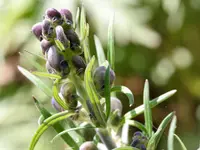
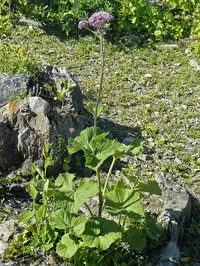
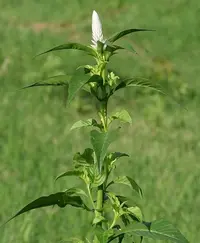
Sacapellote, Acourtia microcephala, is a perennial shrub in the daisy family native to dry, rocky slopes and canyons of California and northern Mexico. It often forms loose, bushy clumps with narrow leaves and small pink to purplish flower heads held in airy clusters.

This species is adapted to low to moderate moisture and lean, well-drained soils, which makes it suitable for low-water gardens in mild climates. Once established, it tends to be drought tolerant but can resent heavy, consistently wet conditions.

Gardeners who care for sacapellote usually find it undemanding if its preference for sun and good drainage is respected. It is better suited to outdoor, naturalistic plantings than to typical indoor container culture.

Main Plant Requirements

Care Difficulty

Easy Care

Light Preference

Full Sun

Water Requirements

Low Water

Temperature Preference

Warm Climate

Hardiness Zone

8–10

Soil Texture

Sandy, Loamy, Rocky

Soil pH

Slightly acidic (6.5–7.0), Neutral (7.0)

Soil Drainage

Well-drained

Fertilization

Minimal (feed rarely)

Get Personalized Care Plan

Scan your plant to receive care tips personalized for your specific plant

Available on iOS and Android

How to Care for the sacapellote

Acourtia microcephala prefers bright, open conditions similar to its native dry slopes and scrublands.

  • Provide 6–8 hours of direct sun daily, ideally with strong morning sun and some light afternoon shade in hotter regions to reduce leaf scorch.
  • Plant in a spot that still receives at least 3–4 hours of sun if partial shade is unavoidable; flowering and compact growth decline with less light.
  • In very hot summers, use filtered light or dappled shade during 1–4 p.m. to prevent wilting; sacapellote tolerates brief heat spikes but not constant intense glare.

Watering for this drought-tolerant species should favor deep, infrequent soakings over frequent light applications.

  • Outdoors in well-drained soil, wait until the top 5–7 cm are dry before watering again, then water slowly so moisture reaches the root zone without pooling.
  • Reduce watering in cool seasons, especially when growth slows; in winter, natural rainfall is often enough unless there is an extended dry spell.
  • Watch for yellowing, soft stems as a sign of overwatering and very limp, curling leaves or stalled growth as signs the Acourtia microcephala is staying too dry.

This species thrives in warm, dry climates with mild winters and good air movement.

  • Aim for an active growth range of 65–85°F (18–29°C), where stems elongate steadily and flowering is most reliable.
  • The plant usually tolerates brief drops to about 28–30°F (-2 to -1°C), but repeated frosts can damage young shoots, so protect during cold snaps.
  • Heat tolerance is good up to about 95°F (35°C) if soil is not waterlogged; in hot, dry winds, mulch around the base to buffer root temperatures.

This species handles relatively dry air but grows best in moderate, stable humidity.

  • Aim for 30–50% humidity, similar to typical outdoor conditions in dry scrub or light woodland.
  • Sacapellote tolerates brief drops below 30% but may show curled, crispy leaf edges and slowed growth when air stays very dry.
  • Outdoors, group plants and use a coarse organic mulch; indoors, place near other plants or use a pebble tray instead of misting.

This species prefers freely draining, slightly lean soil that mimics dry, rocky habitats.

  • Use a sandy or gritty loam with around 40–60% mineral material (coarse sand, fine gravel) to prevent waterlogging.
  • Aim for slightly acidic to neutral pH, roughly 6.0–7.0, avoiding strongly alkaline or salty substrates.
  • Mix equal parts native soil, coarse sand, and low-peat compost, adding extra perlite if water lingers on the surface after irrigation.
  • Improve aeration by avoiding compaction; never plant Acourtia microcephala in heavy, unamended clay or permanently wet spots.

This species can be grown in containers if the pot is prepared for fast drainage and stable support.

  • Choose a relatively deep, narrow pot to match the taproot tendency and reduce rocking in strong wind.
  • Use a heavy terracotta or ceramic container in exposed sites so the plant’s upright stems do not tip the pot.
  • Fill the pot with a very gritty mix and keep the top 2–3 cm slightly raised above the rim so water sheds away quickly.

This drought-adapted native needs minimal feeding, but light nutrition can support container-grown sacapellote during active growth.

  • For potted plants, apply a balanced liquid fertilizer (such as 10-10-10) at 1/4–1/2 strength every 4–6 weeks in spring and early summer.
  • Alternatively, use a small amount of slow-release balanced pellets in spring, mixed into the top 2–3 cm of soil.
  • Supplement with a thin layer of compost once a year to improve soil structure rather than push lush growth.
  • Stop fertilizing in late summer and avoid feeding in fall and winter to let growth harden and the plant rest.

Thoughtful pruning keeps Acourtia microcephala tidy and encourages denser, healthier growth.

  • Best time is late winter to very early spring, before strong new growth starts.
  • Remove dead, damaged, or crossing stems with clean, sharp hand pruners to limit disease entry.
  • Lightly thin crowded interior shoots to improve air movement and maintain an open, natural shape.
  • After flowering, trim spent stems back to a healthy side shoot to encourage branching and future bloom sites.

This species is most often grown in the ground, so focus on careful transplanting rather than frequent repotting.

  • Transplant in late winter or early spring when soil is workable and before strong new growth, spacing plants to allow mature spread.
  • Look for signs such as roots circling the pot, water running straight through, or slowed growth before moving container plants up 1 pot size.
  • Handle the root ball gently, loosening only the outer circling roots and keeping most soil intact to reduce transplant shock.
  • Water thoroughly after transplanting, then keep soil evenly moist but not saturated for 1–2 weeks while roots reestablish.

New plants are usually raised from seed, though established clumps can sometimes be divided in the right conditions.

  • Collect ripe seed in late summer or fall and sow shallowly in a well-drained, sandy mix, just barely covering the seeds.
  • Provide bright light, 60–75°F temperatures, and consistent but light moisture; avoid waterlogged conditions to prevent damping-off.
  • For division, lift a mature clump in late winter, gently separate sections with healthy roots, and replant at original depth.
  • Label seed-grown lines to track origin, since wild-type Acourtia microcephala shows natural variation in height and vigor.

In mild-winter climates this species is generally hardy and needs little specialized winter care once established.

  • Tolerates light frosts but may suffer damage below about 20–25°F, especially in exposed, windy sites.
  • Apply a 5–8 cm layer of dry mulch around the root zone in late fall, keeping it slightly away from stems.
  • In colder regions, grow in containers and move to a bright, frost-free, cool indoor or sheltered space for winter.

Care Tips

Cutback rejuvenation

After flowering, cut back old woody stems by 1/3–1/2 to a green node to encourage denser new growth and maintain a compact, wind-resistant clump.

Deep root establishment

During the first growing season, water less often but deeply to drive roots 15–30 cm down, which greatly improves drought resilience in later years.

Slope and berm placement

Plant on a slight slope, berm, or raised pocket so winter and heavy-rain water drains away from the crown, reducing the risk of crown rot in heavier soils.

Volunteer seedling management

Mark and thin self-sown seedlings in late winter or early spring, keeping only the strongest individuals at 30–45 cm spacing to prevent overcrowding and decline in air circulation.

Wildlife-friendly integration

Position plants in small drifts near other late-season nectar sources and avoid insecticides during bloom to support native pollinators while growing sacapellote in a dry garden border.

Common Pests and Diseases

Leaf miners

This pest tunnels between the upper and lower leaf surfaces, creating pale winding trails and distorted foliage on sacapellote. Damage is mostly cosmetic but can reduce vigor in young or stressed plants.

Solution

Remove and dispose of affected leaves to break the life cycle, then monitor new growth closely. For heavier pressure, use yellow sticky traps to track adult activity and apply a targeted spinosad-based spray to the foliage in the evening, following label directions and avoiding open flowers to protect pollinators.

Aster leafhopper

These insects feed on sap and can transmit aster yellows, leading to chlorotic, stunted, and misshapen shoots. Symptoms include overall decline and loss of normal flowering structure in plants growing near disturbed or weedy sites.

Solution

Reduce nearby weedy host plants and mow or clean up surrounding vegetation to lower leafhopper populations. In high-pressure areas, use fine insect netting over young stands and, if needed, apply a light insecticidal soap or pyrethrin spray to the foliage during calm weather, repeating only if monitoring shows continued activity.

Powdery mildew

This disease produces white, powdery fungal growth on leaves and stems, especially in late season or in shaded, humid sites. Symptoms include yellowing, premature leaf drop, and reduced flowering.

Solution

Improve air movement by thinning surrounding vegetation and avoiding overhead watering, then remove the most affected leaves to reduce spore load. In persistent cases, apply a sulfur or potassium bicarbonate fungicide labeled for ornamental plants, treating early when the first white patches appear.

Rust

This disease causes small orange to brown pustules on the undersides of leaves, sometimes with yellow spots on the upper surface. Symptoms include gradual weakening of the plant and early leaf drop when infections are heavy.

Solution

Promptly prune and discard infected leaves and any heavily affected stems, keeping debris off the soil surface. Maintain good spacing and airflow, avoid wetting foliage late in the day, and if outbreaks repeat each year, use a preventative copper or sulfur fungicide at the first sign of spots.

Leaf spot complex

This disease group, usually caused by various fungi, produces irregular brown or black spots on older leaves, often with a yellow halo. Symptoms include scattered lesions that can merge and cause partial dieback during unusually wet seasons.

Solution

Collect and dispose of fallen leaves to limit reinfection and avoid overhead irrigation where possible. If spotting continues to spread, apply a broad-spectrum ornamental fungicide and focus on keeping plants in well-drained, open conditions as part of long-term Acourtia microcephala care.

Interesting Facts

Native chaparral specialist

This species is native to coastal southern California and northern Baja California, where it is most often found in dry chaparral and coastal sage scrub, tolerating poor, rocky soils and prolonged summer drought.

Composite but inconspicuous heads

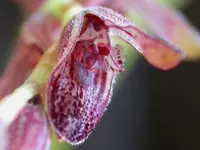
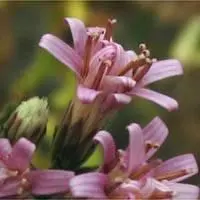
Although it belongs to the daisy family (Asteraceae), its flower heads are small and lack showy ray florets, so the clustered pink to purplish tubular florets can be mistaken for buds rather than full flowers.

Resinous, aromatic foliage

The leaves and stems contain resinous compounds that give the plant a noticeable scent when crushed and may help reduce herbivory and water loss in its hot, dry habitat.

FAQs about sacapellote

This species is attractive to many pollinators, especially native bees and small butterflies. Its numerous small flower heads provide nectar and pollen over an extended period, making it useful in wildlife-friendly and low-input habitat plantings.

Grow Healthy Plants with Botan Care

Keep your plants happy and healthy with plant identification, disease detection, and easy care guidance.

Botan plant care app — identify plants on mobile

Explore More Plants