Acianthera pubescens Care

Acianthera pubescens

About Acianthera pubescens

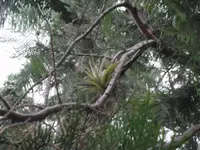
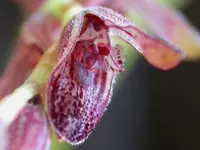
Acianthera pubescens is a miniature epiphytic orchid, usually growing on tree trunks and branches in humid forests. It forms dense clumps of short stems with small, leathery leaves. Flowers are typically tiny, subtle, and close to the foliage rather than showy, which makes this species more of a collector’s plant than a display centerpiece.

In nature it occurs in parts of South America, where it enjoys cool to mild temperatures, high humidity, and good air movement. It can be slow to establish and is moderately challenging, mainly due to its need for consistent moisture without staying soggy. Understanding how to care for Acianthera pubescens starts with providing gentle, filtered light and a free-draining, airy orchid substrate.

Main Plant Requirements

Care Difficulty

Hard Care

Light Preference

Bright Indirect Light

Water Requirements

Keep Soil Moist

Temperature Preference

Tropical / Frost Sensitive

Hardiness Zone

Unknown

Soil Texture

Peaty, Organic-rich

Soil pH

Acidic (5.5–6.5)

Soil Drainage

Moist but well-drained

Fertilization

Light (every 4–6 weeks)

Get Personalized Care Plan

Scan your plant to receive care tips personalized for your specific plant

Available on iOS and Android

How to Care for the Acianthera pubescens

This orchid favors bright, filtered light similar to a shaded forest canopy.

  • Provide 8–12 hours of bright, indirect light daily; morning sun through an east-facing exposure is acceptable if filtered.
  • Acianthera pubescens tolerates partial shade, but too little light causes weak, elongated growth and poor flowering.
  • Avoid strong midday and afternoon sun, which can scorch leaves; use 30–50% shade cloth outdoors and move slightly brighter in winter when days are shorter.

This species prefers consistently moist but never waterlogged roots.

  • Water when the top 2–3 cm of the mix feels barely damp, using thorough soaking and letting excess drain completely.
  • In active growth, expect to water more often, while in cooler months extend the interval slightly as evaporation slows.
  • Signs of overwatering include limp, yellowing leaves and a sour smell from the medium; underwatering causes wrinkled leaves and dry, brittle roots.

This orchid grows best in cool to intermediate, stable temperatures.

  • Aim for 60–75°F (16–24°C) during most of the year for steady growth and flowering.
  • Short drops to 50°F (10°C) are usually tolerated, but prolonged exposure below 45°F (7°C) or any frost can damage foliage and roots.
  • In hotter periods above 80°F (27°C), increase air movement and humidity and keep the plant shaded to prevent stress and leaf scorch.

This orchid prefers high humidity and reacts quickly to dry air indoors.

  • Keep humidity around 70–85% with consistent moisture in the surrounding air, not on the leaves.
  • Watch for leaf shriveling, slow growth, and crisped tips as signs humidity is too low.
  • Increase humidity with a nearby humidifier, enclosed terrarium-style setup, or fine-mesh cover that traps moisture while allowing airflow.

This species needs a very airy, moisture-retentive but fast-draining epiphytic mix.

  • Use a fine to medium orchid mix based on bark, sphagnum moss, and a small amount of perlite for structure and drainage.
  • Aim for slightly acidic to neutral conditions, roughly pH 5.5–7.0, to support nutrient uptake and root health.
  • Ensure the mix is loose, with visible air gaps around roots, never compacted or peat-heavy, to prevent suffocation and rot.
  • Avoid dense garden soil, clayey substrates, or mixes that stay wet longer than 2–3 days after watering.

This small orchid is well suited to container or mount culture when moisture and aeration are balanced.

  • Choose a shallow, ventilated orchid pot or slotted basket so roots receive ample airflow and excess water exits quickly.
  • Secure the rhizome near the pot rim or mount surface to allow creeping growth without crowding new shoots.
  • Use a stable, heavier base or cachepot if the airy container is light, to prevent tipping as foliage and roots expand.

This small orchid benefits from light, precise feeding rather than heavy fertilization.

  • During active growth, apply a balanced orchid fertilizer (around 20-20-20) at 1/4–1/2 strength every 2–3 weeks after thorough watering.
  • Use liquid fertilizer rather than slow-release pellets to avoid salt build-up in fine roots.
  • In winter or low-light periods, cut feeding to once a month or pause if growth stops.
  • Flush the medium with plain water monthly to remove excess salts and maintain root health.

Pruning needs for Acianthera pubescens are minimal and focused on plant health.

  • Best time to prune is after a flush of flowering, avoiding removal of new buds and developing spikes.
  • Use small, sharp, disinfected scissors to remove dead, yellowing, or diseased leaves and spent flower spikes.
  • Thin overcrowded or tangled stems lightly to improve air flow around the plant and reduce fungal risk.
  • Avoid heavy shaping; light hygiene pruning maintains the natural growth form and flowering potential.

This orchid prefers stable conditions and only occasional repotting when the medium breaks down.

  • Repot every 2–3 years, or when roots circle the pot, growth slows, or the medium becomes compacted and sour-smelling.
  • Best timing is early spring or just after flowering, when new root tips begin to appear.
  • Gently loosen the root ball, trim dead or mushy roots with sterilized scissors, and keep healthy roots intact.
  • Place in a slightly larger pot with fresh fine orchid mix, keep evenly moist, and maintain high humidity to reduce transplant stress.

Propagation of this species is usually done vegetatively and suits growers with some orchid experience.

  • Division is the standard method; perform it in spring when new roots start to grow.
  • Remove the plant from its pot and divide clumps so each section carries several healthy stems and active roots.
  • Use sterile tools and dust cut surfaces lightly with powdered charcoal or cinnamon to limit infection.
  • Pot divisions in fine, moisture-retentive orchid mix, maintain 70–80% humidity, and provide gentle air movement until established.

This orchid is not frost hardy and needs stable, mild winter conditions.

  • Keep indoor temperatures around 60–70°F in winter, avoiding cold drafts and rapid temperature swings.
  • If grown outdoors in warm climates, move containers indoors or into a greenhouse before temperatures drop below 50°F.
  • Maintain bright, indirect light and slightly drier medium than in summer, without letting roots fully dry.
  • Avoid placing plants directly against cold window glass; provide slight spacing or an insulating barrier.

Care Tips

Mounting substrate choice

Use a fine-grade orchid bark slab or tree-fern plaque wrapped with long-fiber sphagnum to mimic mossy branches, which keeps roots evenly moist yet aerated for this miniature species.

Horizontal display setup

Position the mount slightly tilted or horizontal inside a terrarium or orchid case so new growths and roots can creep along the surface rather than hanging, which encourages denser clumping and better flowering.

Targeted air movement

Run a small, low-speed fan indirectly across the plant and mount to dry leaf surfaces between mistings while keeping humidity high, which greatly reduces fungal spotting and bacterial rot in tight foliage clusters.

Fine mist irrigation

Use a hand mister or fogger with very fine droplets 1–2 times daily on the mount and roots, then follow with a light drench every few days, instead of heavy, infrequent soaking that can suffocate fine roots.

Regular division timing

Divide and remount the clump only when it has formed several distinct fans or growths, doing so in late spring under warm, stable conditions to reduce transplant shock and maintain vigor when caring for Acianthera pubescens.

Common Pests and Diseases

Scale insects

This pest attaches firmly to thin Acianthera stems and leaf bases, sucking sap and weakening growth, especially in warm, still terrarium or greenhouse conditions.

Solution

Isolate the plant, then gently wipe stems and leaf undersides with a cotton swab dipped in isopropyl alcohol, repeating weekly until no new insects appear; in larger collections, use a systemic insecticide labeled for orchids and improve air movement and light to reduce reinfestation as part of overall Acianthera pubescens care instructions.

Spider mites

These insects thrive in warm, dry air and can cause fine stippling, pale patches, and delicate webbing on the small leaves of this miniature orchid.

Solution

Increase humidity to around 60–80%, rinse foliage under a gentle stream of lukewarm water, and apply a miticide or horticultural oil labeled for orchids in repeated treatments at 5–7 day intervals while keeping good air circulation to prevent leaf damage.

Soft rot (Erwinia)

This disease causes sudden, watery, foul-smelling rot at the base of leaves or along succulent stems, spreading quickly in very humid, stagnant air.

Solution

Immediately cut away all affected tissue with a sterile blade, dust cuts with sulfur or a bactericidal fungicide, increase air circulation, avoid water sitting on the plant, and reduce overhead misting while maintaining only moderate moisture in the substrate.

Leaf spot fungus

This disease produces small, dark, sunken spots on the thin leaves that may coalesce into larger patches under cool, humid, low‑airflow conditions.

Solution

Remove and discard affected leaves, improve spacing and airflow around the plant, avoid wetting foliage late in the day, and apply a broad‑spectrum fungicide labeled for orchids if new spots continue to appear.

Interesting Facts

Hairy leaf surfaces

This species has tiny hairs on its leaves, giving them a faintly rough or velvety feel, an adaptation thought to reduce water loss and modify the leaf surface microclimate in its humid but variable native habitats.

Miniature orchid stature

It remains very small, with compact growth and short internodes, which allows it to occupy narrow spaces on tree trunks and branches where light and moisture are filtered through the forest canopy.

Creeping epiphytic growth

The plant typically grows as a creeping epiphyte on trees rather than in soil, anchoring itself with fine roots on bark while absorbing moisture and nutrients from rain, mist, and decomposing organic debris.

FAQs about Acianthera pubescens

This orchid usually performs more reliably indoors or in controlled greenhouse conditions, where temperature, humidity, and air movement stay stable. Outdoors, it only does well in very mild, frost-free, humid climates that mimic its native cloud-forest conditions.

Grow Healthy Plants with Botan Care

Keep your plants happy and healthy with plant identification, disease detection, and easy care guidance.

Botan plant care app — identify plants on mobile

Explore More Plants