Creeping pilea Care (Pilea nummulariifolia)

Creeping pilea

About Creeping pilea

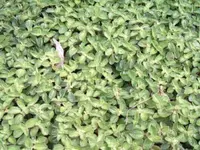
Creeping pilea, Pilea nummulariifolia, is a small trailing plant grown mainly for its bright green, textured leaves and dense, spreading habit. It is often used in hanging baskets, terrariums, or as a groundcover in warm climates.

This species comes from tropical regions of Central and South America, where it grows in shady, humid forest environments. Its fast growth and ability to root easily from stems make it straightforward to propagate and share.

Pilea nummulariifolia is generally considered easy to grow if given moderate light, regular moisture, and a loose, well-draining potting mix. These traits make it simple to care for Creeping pilea in most indoor conditions.

Main Plant Requirements

Care Difficulty

Easy Care

Light Preference

Bright Indirect Light

Water Requirements

Keep Soil Moist

Temperature Preference

Tropical / Frost Sensitive

Hardiness Zone

10–11

Soil Texture

Loamy, Peaty, Organic-rich

Soil pH

Acidic (5.5–6.5), Slightly acidic (6.5–7.0)

Soil Drainage

Moist but well-drained

Fertilization

Light (every 4–6 weeks)

Get Personalized Care Plan

Scan your plant to receive care tips personalized for your specific plant

Available on iOS and Android

How to Care for the Creeping pilea

This creeping Pilea prefers bright, indirect light with some protection from harsh midday sun.

  • Provide 4–6 hours of bright, filtered light each day, such as near an east window or under light shade outdoors, to keep growth compact and leaves well colored.
  • Tolerates partial shade, but in very low light stems may stretch and leaves become sparse; move slightly closer to the light source if internodes lengthen.
  • Avoid strong afternoon sun, which can cause leaf scorch and faded patches; in summer, shift Creeping pilea to a spot with morning sun and dappled light later.

This species prefers evenly moist but not waterlogged soil.

  • Water when the top 2–3 cm of soil feels dry and leaves start to lose slight firmness; use this touch test rather than a fixed calendar schedule.
  • Ensure soil drains freely; in heavy ground or poorly draining pots, add coarse material and empty saucers so roots do not sit in standing water, which leads to rot.
  • Reduce watering in cooler months when growth slows, watching for yellow, mushy leaves as a sign of overwatering or crisp, curling edges as early underwatering.

This trailing plant performs best in warm, frost-free conditions.

  • Aim for 65–80°F (18–27°C) for active growth; temperatures within this range support steady foliage production and root activity.
  • Protect from cold; growth slows below about 60°F (16°C), and prolonged exposure under 50°F (10°C) can cause leaf drop, tissue damage, or death.
  • Avoid frost and extreme heat; this plant is not frost hardy and may scorch or wilt in dry air above 90°F (32°C), so provide shade and extra humidity during hot spells.

This species prefers moderately moist air and reacts quickly to very dry indoor conditions.

  • Aim for 50–70% humidity; it copes with brief dips lower but leaves may curl or crisp at the edges if kept too dry.
  • Watch for pale, wilting, or crisping foliage as signs of low humidity stress in Creeping pilea, especially near heaters or vents.
  • Increase humidity by grouping plants, placing the pot on a pebble tray with water, or using a small room humidifier.

This plant prefers a loose, airy, organic-rich medium that drains quickly yet retains some moisture.

  • Use a mix of roughly 2 parts all-purpose potting mix, 1 part perlite, and 1 part fine bark or coco coir to create a fibrous, loamy structure.
  • Ensure rapid drainage; water should flow through within seconds and not pool on the surface or in the saucer.
  • A slightly acidic to neutral pH around 6.0–7.0 suits Pilea nummulariifolia and supports balanced nutrient uptake.
  • Avoid dense garden soil, heavy clay, or peat-only mixes that compact, stay soggy, and restrict root aeration.

This trailing species is very suitable for container growing, including hanging baskets and balcony planters.

  • Choose a wide, shallow pot that matches its spreading root system so stems can trail freely over the rim without crowding the center.
  • Select terracotta or another porous material if the mix stays wet for long periods, to help moisture evaporate between waterings.
  • Use a stable, heavier container or secure hanger so the plant’s cascading growth does not tip the pot as foliage mass increases.

Pilea nummulariifolia benefits from light, consistent feeding during active growth for dense foliage and trailing stems.

  • Use a balanced liquid fertilizer (for example 10-10-10 or 20-20-20) diluted to 1/4–1/2 strength.
  • Feed every 2–4 weeks in spring and summer when Creeping pilea is actively growing.
  • Stop or reduce feeding to once every 6–8 weeks in fall and winter.
  • Flush the pot with plain water every 1–2 months to limit salt buildup from fertilizers.

Pruning Pilea nummulariifolia helps maintain a compact, trailing shape and encourages denser foliage.

  • Lightly trim in spring or early summer, when growth is strongest and recovery is fastest.
  • Remove yellow, dead, or damaged stems with clean, sharp scissors or small pruners.
  • Pinch back long, leggy shoots above a leaf node to promote branching and a fuller mat.
  • Thin crowded interior stems to improve air flow and reduce risk of fungal problems.

This plant adapts well to containers and hanging baskets and benefits from timely repotting to maintain vigorous growth.

  • Check for roots circling the pot, pushing from drainage holes, or slow growth as signs it needs a larger container.
  • Plan to repot every 1–2 years in spring, moving up only 2–5 cm in pot diameter each time.
  • Use a light, well-draining mix with added perlite, and gently loosen circling roots without tearing them heavily.
  • Water thoroughly after repotting, then keep in bright, indirect light for 3–7 days to reduce transplant stress.

This species responds well to vegetative propagation, making it simple to expand a collection or rejuvenate an older plant.

  • The most reliable method for Pilea nummulariifolia plant care is stem cuttings taken in spring or summer.
  • Cut 5–8 cm tip sections just below a node, remove lower leaves, and place in water or moist, airy substrate.
  • Maintain bright, indirect light, high humidity, and evenly moist (not soggy) medium for rooting.
  • Once roots reach 2–3 cm, pot cuttings in small containers and gradually reduce humidity over 7–10 days.

This tender species is not frost tolerant and needs protection in regions with cold winters.

  • Move outdoor containers indoors before temperatures drop near 50°F, as foliage is damaged by light frost.
  • Grow in a bright window away from cold drafts and heating vents that create very dry air.
  • Water less in winter, allowing the top 2–3 cm of mix to dry before watering again to prevent root rot.

Care Tips

Encourage Denser Growth

Pinch back the soft tips of long runners every 3–4 weeks to trigger side shoots and create a fuller, thicker mat of foliage instead of a few long, sparse strands.

Direct Runners Strategically

Gently coil or lay trailing stems onto nearby soil surfaces in the same pot or a neighboring container so that the nodes touch the mix, which encourages new roots and helps the plant fill gaps evenly.

Use Shallow, Wide Pots

Choose a low, wide container rather than a deep one to accommodate the plant’s surface-rooting habit, which improves stability and helps the foliage spread into an attractive groundcover-like carpet.

Clean Foliage Regularly

Rinse the foliage under a gentle, lukewarm shower or use a soft, damp cloth every 4–6 weeks to remove dust, which reduces pest hiding spots and keeps leaves efficient at photosynthesis when caring for Creeping pilea.

Monitor Hidden Pests

Inspect the undersides of leaves and stem joints at least once a month, especially in dense or hanging growth, since the tight foliage can conceal early infestations of spider mites and mealybugs that are easier to control when caught early.

Common Pests and Diseases

Spider mites

This pest often appears on plants kept in warm, dry indoor air, causing pale stippling and a dull, dusty look on the tiny rounded leaves.

Solution

Rinse foliage under a gentle stream of lukewarm water, including the undersides of leaves, then increase humidity and isolate the plant; if activity continues, apply insecticidal soap or a neem oil spray weekly until no new webbing or stippling appears.

Mealybugs

These insects hide in stem joints and along trailing stems, leaving white cottony clusters and sticky honeydew on the small leaves.

Solution

Dab visible insects with cotton swabs dipped in isopropyl alcohol, trim heavily infested stems, then follow with 2–3 applications of insecticidal soap or neem oil at 7–10 day intervals, checking especially along the stems and in leaf axils.

Aphids

These insects often cluster on tender new growth, causing curling, distortion, and sticky residue that can lead to sooty mold on the foliage.

Solution

Shower the plant thoroughly to dislodge colonies, remove badly distorted tips, then use insecticidal soap on all surfaces and repeat as needed, while also reducing excess nitrogen fertilization that encourages soft, aphid-prone growth.

Edema

Symptoms include small corky or blister-like spots on leaves, often appearing after sudden changes in watering or when roots take up more water than the leaves can transpire.

Solution

Allow the top layer of the potting mix to dry slightly between waterings, improve light and airflow, and avoid leaving the plant sitting in runoff; affected leaves will not recover, but new growth should form normally once moisture is balanced.

Botrytis leaf spot

This disease shows as soft, water-soaked patches that turn brown with a gray fuzzy mold, favored by dense foliage, high humidity, and poor air circulation around the trailing stems.

Solution

Remove and discard all affected leaves and any plant debris, space the plant for better airflow, water at the soil level instead of over the foliage, and if needed use a fungicidal spray labeled for ornamental houseplants to protect healthy leaves while conditions improve.

Interesting Facts

Ground-hugging forest herb

This species naturally grows as a low, creeping herb in the understory of tropical forests from the Caribbean to northern South America, forming dense ground mats that help cover and stabilize moist soil.

Crinkled, hydrophobic leaves

Its bright green, heavily textured leaves have a slightly hydrophobic surface, so water tends to bead and roll off rather than soak in quickly, which helps protect tissues during frequent tropical rains.

Fast vegetative spread

The plant spreads rapidly via slender, rooting stems that form new nodes wherever they touch suitable substrate, allowing it to colonize cracks in rocks, tree bases, and disturbed soil in its native range.

Botan icon

Did you know?

In some humid tropical gardens, this plant is intentionally used as a living mulch under taller ornamentals, because its dense creeping growth suppresses small weeds while tolerating regular foot traffic along the edges of paths.

FAQs about Creeping pilea

This species grows well both indoors and outdoors if temperatures stay above 55°F. Indoors it prefers bright, indirect light and stable conditions. Outdoors it performs best in shaded, frost-free areas with shelter from strong wind.

Grow Healthy Plants with Botan Care

Keep your plants happy and healthy with plant identification, disease detection, and easy care guidance.

Botan plant care app — identify plants on mobile

Explore More Plants