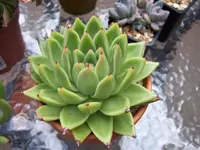
Snake Plant Care (Dracaena trifasciata 'Futura Superba')

About Snake Plant

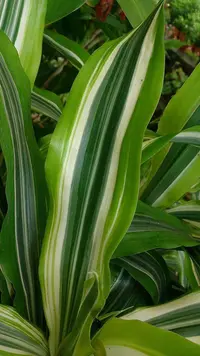
Dracaena trifasciata 'Futura Superba' is a compact, upright snake plant grown mainly as an indoor foliage plant. It forms stiff, sword-shaped leaves with yellow margins and patterned green centers, creating a dense clump over time.

This cultivar comes from a species native to West Africa but is now common in homes and offices worldwide. Its slow growth, tolerance of neglect, and ability to handle varied indoor conditions make it suitable for beginners.

It adapts to a range of light levels, from bright indirect light to moderate shade, and prefers well-drained soil that dries slightly between waterings. These traits explain why many guides focus on how to care for Snake Plant as a low-maintenance houseplant.

Main Plant Requirements

Care Difficulty

Easy Care

Light Preference

Bright Indirect Light

Water Requirements

Low Water

Temperature Preference

Tropical / Frost Sensitive

Hardiness Zone

10–12

Soil Texture

Sandy, Loamy, Organic-rich

Soil pH

Acidic (5.5–6.5), Slightly acidic (6.5–7.0)

Soil Drainage

Well-drained

Fertilization

Minimal (feed rarely)

Get Personalized Care Plan

Scan your plant to receive care tips personalized for your specific plant

Available on iOS and Android

How to Care for the Snake Plant

This cultivar prefers bright, indirect light and tolerates a fairly wide range of conditions.

  • Provide 6–8 hours of bright, filtered light daily, such as an east- or north-facing window, for compact growth and clear variegation.
  • Tolerates partial shade and low indoor light, but Dracaena trifasciata 'Futura Superba' may stretch and lose contrast if light stays very dim for several months.
  • Avoid strong midday or afternoon sun behind glass, which can scorch leaves; in winter, move closer to windows to compensate for weaker light.

This species stores moisture in its leaves and prefers thorough but infrequent watering.

  • Before watering, let the top 3–5 cm of soil dry; in average indoor conditions this often means every 2–4 weeks, but timing depends on pot size, light, and airflow.
  • Use a free-draining mix and empty saucers after 10–15 minutes; yellowing, mushy leaves or a sour smell indicate overwatering and possible root rot.
  • In brighter, warmer months, expect faster drying and slightly more frequent watering, while in cooler, low-light seasons the plant may need only occasional watering when leaves just begin to wrinkle.

This plant prefers stable, warm conditions and is sensitive to cold and frost.

  • Aim for 65–80°F (18–27°C) for best growth, similar to typical heated indoor spaces, avoiding rapid temperature swings near drafty doors or uninsulated windows.
  • Tolerates short dips to about 50°F (10°C), but prolonged exposure below this can cause leaf softening, scarring, or collapse, especially in damp soil.
  • Protect from frost and extreme heat; avoid placing in locations above 90°F (32°C) with direct sun and stagnant air, which can lead to leaf scorch and accelerated soil drying.

This plant handles typical indoor humidity well and rarely needs special adjustment.

  • Target 30–50% humidity; values common in heated or air-conditioned homes are usually adequate.
  • It tolerates drier air, but very low humidity with warm drafts can lead to brown, crispy leaf tips and edges.
  • If air is extremely dry, increase humidity locally by grouping plants together or placing the pot on a pebble tray with water below the pot base.

This species prefers a very free-draining, mineral-lean mix that dries quickly between waterings.

  • Use a gritty, sandy mix such as 50–70% cactus/succulent substrate blended with perlite or pumice for extra drainage and aeration.
  • Aim for slightly acidic to neutral pH around 6.0–7.0, avoiding strongly acidic or alkaline conditions that can limit nutrient uptake.
  • Add coarse components like bark chips or horticultural grit to prevent compaction and keep roots well oxygenated in the container.
  • Avoid dense, peat-heavy or clayey mixes that stay wet for long periods, as they promote root rot in Dracaena trifasciata 'Futura Superba'.

This species is highly suitable for container growing and adapts well to long-term pot culture.

  • Choose a pot only 2–5 cm wider than the root mass to prevent excess unused mix from holding water around the roots.
  • Use a heavy or wider-based container if the clump becomes tall and top-heavy, reducing the risk of tipping over.
  • Select unglazed terracotta if moisture needs closer control, since it allows faster evaporation than plastic and helps the mix dry more evenly.

Dracaena trifasciata 'Futura Superba' benefits from modest, well-timed feeding during active growth.

  • Use a balanced liquid fertilizer (around 10-10-10 or 20-20-20) diluted to 25–50% strength for Snake Plant indoor care.
  • Feed every 4–6 weeks in spring and summer only, when light and temperatures support active growth.
  • Skip fertilizer in fall and winter, as low activity increases the risk of salt buildup and root burn.
  • Flush the pot with plain water 2–3 times per year to remove accumulated fertilizer salts from the soil.

Pruning Dracaena trifasciata 'Futura Superba' is mainly hygienic and shaping rather than structural.

  • Best time for pruning is late spring to late summer, when the plant is actively growing.
  • Remove dead, yellowing, or badly damaged leaves at the base using clean, sharp scissors or pruning shears.
  • Thin out crowded rosettes by cutting entire leaves at soil level to maintain an upright, uncluttered form.
  • Disinfect tools before and after use with alcohol to reduce the risk of spreading fungal or bacterial problems.

Repotting is infrequent, as this species tolerates tight roots but benefits from fresh substrate over time.

  • Check for roots circling the pot, bulging or cracked containers, or slowed growth as signs repotting is needed.
  • Plan to repot every 3–4 years in spring, moving to a pot only 2–5 cm wider with good drainage holes.
  • Gently loosen the root ball, trim dead or mushy roots, and set the plant in fresh, free-draining cactus or succulent mix.
  • Water lightly after repotting, then allow the top soil to dry before the next watering to limit root stress and rot.

Propagation of Dracaena trifasciata 'Futura Superba' is commonly done through division or leaf cuttings.

  • Divide crowded clumps in spring or early summer, separating rosettes with firm roots into individual sections.
  • For leaf cuttings, slice healthy leaves into 5–8 cm segments and note the original top end to maintain orientation.
  • Insert the correct end of each segment into slightly moist, well-draining mix and keep at 70–80°F in bright, indirect light.
  • Limit watering to light, occasional moisture until new roots and pups form, then transition to standard care.

This species is frost-sensitive and needs simple indoor-focused winter care in most temperate climates.

  • Keep plants above 50°F, with an ideal winter range of 60–75°F to avoid cold damage to leaves and roots.
  • Move outdoor containers indoors before nights drop below 55°F, choosing a bright, draft-free spot.
  • Reduce watering substantially in winter, allowing the mix to dry most of the way to prevent rot in cool conditions.
  • Keep foliage away from icy window panes and heating vents to avoid localized cold or heat stress.

Care Tips

Rotate For Symmetry

Rotate the pot 90° every 3–4 weeks so the rosette stays compact and upright instead of leaning toward the strongest light source.

Stabilize Heavy Leaves

If outer leaves start to splay, nestle the pot inside a slightly heavier cachepot and gently press the mix around the base to keep the short, wide leaves standing more vertically.

Root Health Checks

Every 6–12 months, slide the root ball partly out of the pot to inspect for firm, white to pale-yellow roots and remove any brown, mushy tissue before it spreads.

Salt Build-Up Control

Every few months, slowly flush the potting mix with plain water until it runs freely from the drainage holes to reduce fertilizer salt accumulation that can burn leaf tips.

Low-Light Recovery

After a period in very low light, gradually move the plant closer to a bright spot over 2–3 weeks to restore stronger yellow variegation without shocking the leaves, an important step in caring for Snake Plant in dim rooms.

Common Pests and Diseases

Southern blight

This disease causes sudden yellowing, wilting, and collapse of leaves near the soil line, often with white, cottony fungal growth and small tan sclerotia on the soil surface. Symptoms include rapid decline in otherwise firm, healthy leaves, especially in warm, humid conditions.

Solution

Remove and discard the plant and all surrounding soil if the crown is affected, since this fungus persists in debris and is hard to eradicate indoors. Disinfect pots and tools with a 10% bleach solution, avoid splashing water on the crown, and keep the soil surface clean and dry to reduce risk when you grow Dracaena trifasciata 'Futura Superba' in warm climates or greenhouses.

Leaf spot

This disease produces small, water-soaked or tan lesions on the leaves that may develop yellow halos and coalesce into irregular dead patches. Symptoms include cosmetic damage and slow weakening of the plant under persistently high humidity or overhead watering.

Solution

Remove and discard affected leaves, keep foliage dry by watering only the soil, and improve air movement around the plant. If spots continue to spread, treat with a copper- or sulfur-based fungicide labeled for houseplants, applied according to the product directions and only to healthy, dry foliage.

Mealybugs

These insects appear as white, cottony clusters in leaf axils and along leaf edges, often causing sticky honeydew and distorted new growth. This pest weakens the plant over time and can spread to other nearby houseplants.

Solution

Isolate the plant, then dab visible mealybugs with cotton swabs dipped in 70% isopropyl alcohol and wipe leaf axils thoroughly. For larger infestations, shower the plant with lukewarm water to dislodge insects, then apply a horticultural soap or neem oil spray every 7–10 days until no new pests appear.

Spider mites

These pests create fine webbing between leaves and cause tiny yellow or pale speckles that give the foliage a dull, dusty appearance. This pest thrives in warm, dry indoor air and can cause gradual leaf stippling and edge browning.

Solution

Rinse both sides of the leaves under a gentle shower or sink spray, focusing on leaf bases where mites hide. After washing, apply horticultural soap or neem oil to all leaf surfaces every 5–7 days for several cycles, and raise humidity slightly (40–50%) while avoiding waterlogged soil to make conditions less favorable to mites.

Soft scale

These insects appear as small, tan to brown, dome-shaped bumps attached firmly to leaves or stems and excrete sticky honeydew that can lead to sooty mold. This pest can cause gradual yellowing, reduced vigor, and leaf drop if populations build up.

Solution

Gently scrape or rub off individual scales with a fingernail or cloth dipped in 70% isopropyl alcohol, then wipe affected areas thoroughly. For persistent infestations, use repeated applications of horticultural oil, ensuring full coverage of leaf surfaces and particularly the undersides and leaf bases, while monitoring nearby plants for spread.

Interesting Facts

Compact rosette growth

This cultivar stays notably shorter and denser than typical snake plant types, forming compact rosettes rather than tall, upright fans, which comes from deliberate selection for reduced internode length.

Golden leaf margins

The stable yellow to golden edges on the leaves are a defining cultivar trait, caused by genetically fixed variegation that limits chlorophyll along the margins while leaving a dark green center band.

Slow, offset-based propagation

Instead of frequent flowering and seed set, this plant is usually multiplied through underground rhizomes that produce offsets, a trait that keeps the cultivar genetically uniform across commercial stock.

Botan icon

Did you know?

In mature clumps, the leaf rosettes often arrange in a subtle spiral around the rhizome, reflecting a genetically influenced phyllotaxis pattern that was one of the visual traits selected when horticulturists stabilized Dracaena trifasciata 'Futura Superba' as a distinct compact variety.

FAQs about Snake Plant

Brown tips usually come from low humidity, excess fertilizer, or fluoride/salts in tap water. Brown patches often indicate irregular watering or cold drafts. Trim damaged areas cleanly and adjust care to stabilize moisture and environmental conditions.

Grow Healthy Plants with Botan Care

Keep your plants happy and healthy with plant identification, disease detection, and easy care guidance.

Botan plant care app — identify plants on mobile

Explore More Plants