Upright Elephant Ear Care (Alocasia 'Portora')

Also known as: Elephant's Ear
Upright Elephant Ear

About Upright Elephant Ear

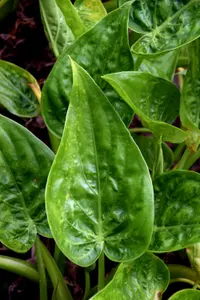
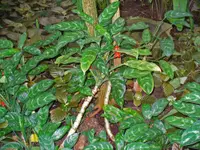
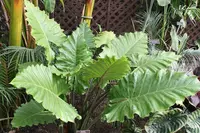
Upright elephant ear, Alocasia 'Portora', is a large ornamental aroid grown for its bold, architectural foliage. It forms an upright clump of thick stems topped with huge, ribbed, arrow-shaped leaves.

This hybrid comes from tropical Asian parent species, so it prefers warm conditions and consistent moisture. It is usually grown outdoors in frost-free climates or as a dramatic container specimen.

Its size, moisture needs, and sensitivity to cold make it moderately challenging for beginners, but manageable with stable conditions. Understanding how to care for Upright Elephant Ear helps prevent leaf scorch, drooping, and root problems.

It generally prefers bright, filtered light, evenly moist but not waterlogged soil, and good drainage to support its fast, lush growth.

Main Plant Requirements

Care Difficulty

Moderate Care

Light Preference

Partial Shade

Water Requirements

Keep Soil Moist

Temperature Preference

Tropical / Frost Sensitive

Hardiness Zone

8–11

Soil Texture

Loamy, Peaty, Organic-rich

Soil pH

Acidic (5.5–6.5), Slightly acidic (6.5–7.0)

Soil Drainage

Moist but well-drained

Fertilization

Moderate (every 2–4 weeks)

Get Personalized Care Plan

Scan your plant to receive care tips personalized for your specific plant

Available on iOS and Android

How to Care for the Upright Elephant Ear

Alocasia 'Portora' thrives in bright, indirect light similar to bright shade under high tree canopies.

  • Provide 4–6 hours of bright, filtered light daily; morning sun with afternoon shade suits Upright Elephant Ear best, especially in warmer regions.
  • Use dappled shade or a sheer curtain to diffuse direct rays; harsh midday or afternoon sun can scorch leaves and cause pale, crispy patches.
  • In lower light, leaves may elongate and lose vigor; in winter, shorter days are acceptable but avoid deep shade by positioning where it still receives bright ambient light.

Alocasia 'Portora' prefers steadily moist but never waterlogged soil.

  • Water when the top 3–5 cm of soil feels dry, using enough water so it drains freely from the root zone rather than in small sips.
  • Ensure rich, loose soil with excellent drainage; standing water around the roots encourages rot, yellowing leaves, and a sour smell from the soil.
  • In spring and summer, expect more frequent watering, while in fall and winter allow the soil to dry slightly deeper and watch for drooping, curling leaves as a thirst signal.

This plant grows best in warm, stable conditions with no exposure to frost.

  • Aim for 70–85°F (21–29°C) for strong growth; it will tolerate brief peaks to 90°F (32°C) if soil moisture and humidity stay consistent.
  • Protect from cold; growth slows below 60°F (16°C), tissue damage can occur under 50°F (10°C), and frost may kill foliage to the ground.
  • In cooler climates, treat it as a tender perennial, lifting tubers or moving plants under cover before first frost, and avoid planting in low spots where cold air collects.

This plant needs consistently high humidity to maintain large, healthy leaves.

  • Aim for 60–80% humidity; performance drops as air stays below 50%.
  • Dry air causes brown, crispy leaf edges, curling, and stalled new growth in Upright Elephant Ear.
  • Increase humidity with a room humidifier, grouping plants, and placing pots on pebble trays rather than misting leaves directly.

This plant prefers an airy, moisture-retentive but fast-draining soil mix.

  • Use a loose, organic-rich mix such as 40% peat or coco coir, 30% compost, 20% perlite, and 10% fine bark.
  • Ensure rapid drainage so water flows through within seconds while the mix still feels slightly spongy, not compacted.
  • Aim for slightly acidic to neutral pH around 6.0–7.0 for stable nutrient availability.
  • Avoid heavy garden soil or pure compost that stay wet, which promotes root rot in Alocasia 'Portora'.

This species grows very well in large containers when its size and weight are considered.

  • Choose a wide, heavy pot to counterbalance tall, wind-catching foliage and reduce tipping risk outdoors.
  • Select a container material that matches your climate; terracotta dries faster, while thick plastic or fiberglass holds moisture longer.
  • Raise the pot on feet or bricks so drainage holes stay clear and excess water escapes quickly after watering or rain.

Alocasia 'Portora' responds well to moderate, consistent feeding during its active growing season.

  • Use a balanced liquid fertilizer (for example 10-10-10 or 20-20-20) diluted to 1/4–1/2 strength for Upright Elephant Ear.
  • Feed every 2–4 weeks in spring and summer when growth is strong.
  • Pause or reduce feeding to once every 6–8 weeks in fall and winter as growth slows or dormancy begins.
  • Avoid granular fertilizer touching the roots; water before and after feeding to limit salt buildup.

Alocasia 'Portora' needs only light, maintenance pruning to stay tidy and healthy.

  • Best timing is during active growth in spring or summer, avoiding cool, low-light months.
  • Remove yellowing, dead, or mechanically damaged leaves at the base with clean, sharp pruners.
  • Cut out crowded or inward-facing leaves to improve air flow and maintain an open, upright shape.
  • Disinfect blades before and after use to reduce the risk of spreading fungal or bacterial problems.

Container-grown Alocasia 'Portora' benefits from periodic repotting to support its large root system.

  • Repot every 1–2 years when roots circle the pot, emerge from drainage holes, or growth slows despite good care.
  • Choose early spring, just before strong new growth, for the least stress and quickest recovery.
  • Move up only 1–2 in in pot diameter, using airy, well-drained mix to prevent waterlogging of the tuberous roots.
  • Water thoroughly after repotting, keep in bright indirect light, and avoid heavy feeding for 2–3 weeks while roots reestablish.

Division of mature clumps is the standard method for multiplying Alocasia 'Portora'.

  • Plan divisions for warm spring or early summer when the plant is actively growing.
  • Lift the root ball and gently separate offsets or clumps, ensuring each division has its own tuber and at least 1–2 healthy leaves.
  • Plant divisions in a slightly moist, well-draining mix and keep humidity high with bright, indirect light.
  • Maintain soil just barely moist and avoid strong fertilizer until new growth confirms successful establishment.

Alocasia 'Portora' is frost-sensitive and needs thoughtful winter care in most temperate climates.

  • In USDA zones below 9–10, grow in containers and move indoors before temperatures drop near 50°F.
  • Indoors, provide bright indirect light, reduced watering, and good air circulation as growth slows or leaves shed.
  • For in-ground plants in mild climates, apply a 5–10 cm mulch layer over the root zone to buffer soil temperature.

Care Tips

Stake Heavy Petioles

Install sturdy stakes or a discreet plant support ring before the leaves reach full size so the thick petioles have something to lean on, preventing wind snap and stem creasing in containers or exposed sites.

Rotate For Even Canopy

Turn the pot 90° every 1–2 weeks during active growth so the huge leaves do not all lean in one direction, which reduces the risk of the plant becoming lopsided or top-heavy and tipping over.

Monitor Corm Offsets

Gently probe the top 2–3 in of soil once or twice a year to locate small corm offsets, then divide and replant them in spring to manage crowding and maintain a strong main clump.

Use Bottom Water Trays

For large patio containers, water into a shallow outer tray and allow the mix to wick moisture up for 20–30 minutes, then discard any excess so the heavy root ball is fully hydrated without waterlogging the crown.

Seasonal Pest Checks

Inspect the undersides of leaves and petiole junctions every 1–2 weeks in warm weather for spider mites and aphids, and at the first sign of damage wash foliage with a strong but gentle water spray and follow with horticultural soap if needed when caring for Upright Elephant Ear.

Common Pests and Diseases

Spider mites

This pest thrives in warm, dry indoor air and feeds on the large leaves, causing tiny yellow speckling and dull, dusty-looking foliage. Symptoms include fine webbing, especially on leaf undersides and around petiole joints.

Solution

Rinse leaves thoroughly with a strong but gentle stream of lukewarm water, focusing on undersides, then wipe with a soft cloth and repeat weekly until clear. Increase humidity to 60–70%, isolate the plant, and if needed apply a neem oil or insecticidal soap spray labeled for houseplants, following directions carefully.

Root and corm rot

This disease affects the thick roots and underground corm, often after overwatering or poorly drained, heavy soil. Symptoms include wilting, yellowing, and collapsing petioles despite wet soil, often with a sour or rotten smell from the pot.

Solution

Unpot the plant, trim off all brown, mushy tissues with sterile tools, and repot into fresh, chunky, fast-draining mix in a pot with large drainage holes. Reduce watering, allow the top 3–5 cm of soil to dry between waterings, and maintain warm temperatures (70–80°F) to support recovery when caring for Upright Elephant Ear.

Xanthomonas leaf blight

This disease causes irregular, water-soaked yellow or tan spots that often have a darker edge and may merge into larger patches. Symptoms include lesions starting along leaf margins or between veins that later turn brown and papery.

Solution

Remove and discard affected leaves promptly, avoiding overhead watering so foliage dries quickly, and improve air movement around the plant. Keep water off leaves, disinfect tools after pruning, and in severe recurring cases consider replacing the plant and discarding the old soil to remove the infection source.

Leaf spot fungi

This disease produces small, round to oval brown or black spots on leaves, sometimes with yellow halos, that can coalesce and cause partial leaf dieback. This often appears after periods of high humidity combined with leaves staying wet for long periods.

Solution

Cut off heavily marked leaves with sterile pruners, keep leaves as dry as possible, and water at the soil level only. Space plants to improve airflow, run a fan on low nearby if the room is very still, and avoid misting when temperatures are cool to limit fungal spread.

Mealybugs

These insects gather in leaf axils, along midribs, and at the base of petioles, appearing as white, cottony clumps. This pest sucks sap, causing distorted new growth, sticky honeydew, and sometimes sooty mold on the large leaves.

Solution

Dab individual insects with cotton swabs dipped in 70% isopropyl alcohol, then wipe down stems and petioles to remove residues. Repeat inspections weekly, isolate the plant from others, and if the infestation is persistent, use an insecticidal soap or horticultural oil spray, ensuring full coverage of leaf undersides and crevices.

Interesting Facts

Hybrid giant parentage

This cultivar is a deliberate hybrid between Alocasia odora and Alocasia portei, bred to combine very large leaf size with a sturdy, upright frame that resists flopping in wind and rain more than many other alocasias.

Architectural leaf structure

Its leaves can reach several feet long and develop pronounced, deeply scalloped margins and thick primary veins, creating an almost corrugated surface that helps shed heavy rain efficiently in the garden.

Cold-tolerant for an alocasia

Compared with many tropical relatives, this hybrid shows relatively good tolerance of short cool spells, which is one reason it is often used in temperate landscapes for Alocasia 'Portora' plant care outdoors in summer.

FAQs about Upright Elephant Ear

Brown leaf edges usually result from low humidity, underwatering, or fertilizer burn. Large brown patches can follow cold drafts or direct hot sun. Trim damaged areas with clean scissors and adjust the environmental cause rather than overwatering.

Grow Healthy Plants with Botan Care

Keep your plants happy and healthy with plant identification, disease detection, and easy care guidance.

Botan plant care app — identify plants on mobile

Explore More Plants