Begonia × semperflorens-cultorum Care

Begonia × semperflorens-cultorum

About Begonia × semperflorens-cultorum

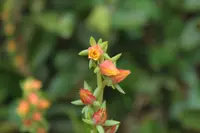
Begonia × semperflorens-cultorum, often called wax begonia, is a compact, long-blooming ornamental grown mainly as a bedding and container plant. It is a cultivated hybrid group rather than a wild species, derived from tropical American parents.

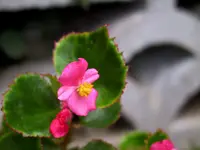
Plants form neat mounds of fleshy stems, glossy green, bronze, or variegated leaves, and clusters of white, pink, or red flowers. They are widely used in gardens, balconies, and as short-term indoor displays.

This group is valued for its tolerance of a range of conditions, reliable flowering, and relatively low maintenance, which makes it suitable for beginners. Light shade, evenly moist but well-drained soil, and moderate fertility are usually enough to care for Begonia × semperflorens-cultorum.

Main Plant Requirements

Care Difficulty

Moderate Care

Light Preference

Partial Shade

Water Requirements

Moderate Water

Temperature Preference

Tropical / Frost Sensitive

Hardiness Zone

10–11

Soil Texture

Loamy, Peaty, Organic-rich

Soil pH

Acidic (5.5–6.5), Slightly acidic (6.5–7.0)

Soil Drainage

Moist but well-drained

Fertilization

Moderate (every 2–4 weeks)

Get Personalized Care Plan

Scan your plant to receive care tips personalized for your specific plant

Available on iOS and Android

How to Care for the Begonia × semperflorens-cultorum

This plant prefers bright, gentle light and is sensitive to strong midday sun.

  • Provide 4–6 hours of light daily with morning sun and afternoon shade; east-facing spots or dappled light under taller plants work well outdoors.
  • Tolerates partial shade, but in very deep shade stems may stretch, flowering declines, and foliage becomes sparse.
  • In hot summers, protect from direct sun from about 11 a.m. to 4 p.m. to prevent leaf scorch, especially for Begonia × semperflorens-cultorum in containers.

Watering should keep the root zone evenly moist but never saturated.

  • Water when the top 2–3 cm of soil feels dry, using enough water so it drains freely from the pot or through the planting bed profile.
  • Use a loose, well-drained mix or soil amended with fine bark or compost to reduce the risk of root rot and stem collapse from standing water.
  • In cooler months or cloudy spells, extend the interval between waterings; wilting with dry soil suggests underwatering, while yellowing, mushy stems indicate overwatering.

This plant grows best in warm, stable temperatures without frost exposure.

  • Ideal growing range is 65–80°F (18–27°C), where flowering and foliage remain dense and compact.
  • Avoid temperatures below 50°F (10°C); light frost can kill top growth and prolonged cold often damages roots.
  • In hot spells above 86°F (30°C), provide shade and consistent soil moisture, as extreme heat combined with dry soil can cause leaf scorch and flower drop.

Wax begonias prefer moderate humidity and react quickly to very dry air.

  • Aim for 40–60% humidity; typical indoor levels suit Begonia × semperflorens-cultorum if watering is consistent.
  • Dry air causes crisp leaf edges, pale foliage, and slower growth, especially near heating or AC vents.
  • Increase humidity by grouping pots, placing trays with water and pebbles nearby, or using a small room humidifier rather than misting leaves.

Wax begonias need light, airy, fast-draining soil that still holds some moisture.

  • Use a loose, organic-rich mix such as 2 parts peat- or coir-based potting mix, 1 part fine bark, and 1 part perlite for Begonia × semperflorens-cultorum.
  • Ensure rapid drainage so water runs through within seconds, preventing roots from sitting in a soggy layer that promotes rot.
  • Maintain slightly acidic to neutral pH around 6.0–7.0, which supports nutrient uptake and reduces micronutrient lockout.
  • Avoid dense garden soil, heavy clay, or mixes with high sand content that compact easily or dry to a hard crust.

This plant is very suitable for container growing on patios, balconies, and entryways.

  • Choose a shallow to medium-depth pot, as the relatively fibrous, compact root system does not require deep containers but benefits from lateral space.
  • Select a slightly heavier material such as ceramic when exposed to wind so dense foliage does not tip the pot.
  • Use a container with multiple small drainage holes to empty quickly, then discard saucer runoff within a few minutes to avoid root suffocation.

Balanced feeding supports compact growth and continuous flowering in Begonia × semperflorens-cultorum.

  • Use a balanced water‑soluble fertilizer around 10‑10‑10 or 20‑20‑20, diluted to 1/4–1/2 strength.
  • Apply every 2–4 weeks during the growing season while plants are actively flowering.
  • For containers, combine light liquid feeding with a small amount of slow‑release granules in spring.
  • Reduce or stop feeding in winter or when growth slows, to prevent soft, weak tissue.

Thoughtful pruning keeps Begonia × semperflorens-cultorum compact, tidy, and floriferous.

  • In spring and through summer, pinch soft tips to encourage bushier side shoots and more blooms.
  • Remove dead, yellowing, or damaged leaves and spent flower clusters with clean scissors or pruners.
  • Thin crowded interior stems to improve airflow and reduce the risk of fungal disease.
  • Cut back leggy stems by 1/3 to restore shape, making cuts just above a leaf node.

Begonia × semperflorens-cultorum benefits from timely repotting or transplanting to maintain vigorous growth.

  • Check for roots circling the pot, pushing through drainage holes, or for watering that dries out very quickly.
  • Plan to repot every 1–2 years in spring, stepping up only 1 pot size with a light, well‑drained mix.
  • Water the plant the day before repotting, gently loosen the root ball, and trim any dead, brown roots.
  • After moving to a new pot or garden position, water thoroughly, shade from intense sun for a few days, and avoid fertilizing for 1–2 weeks.

New plants are commonly raised from stem cuttings or seeds taken from healthy Begonia × semperflorens-cultorum.

  • In late spring to summer, take 5–8 cm non‑flowering stem cuttings with at least 2–3 nodes.
  • Insert cuttings into moist, sterile mix, keep at 70–75°F with bright, indirect light, and maintain high humidity.
  • Seeds need fine, well‑drained mix, surface sowing, consistent moisture, and warmth for even germination.
  • Once rooted or with 2–3 true leaves, gradually reduce humidity, increase light, and pot on carefully.

This warm‑season bedding begonia is frost‑tender and needs protection in cold climates.

  • In regions below 32°F, treat outdoor plants as annuals or lift container plants before first frost.
  • Move pots indoors to bright, indirect light, maintaining 60–70°F and moderate humidity.
  • Reduce watering in winter so the soil stays slightly moist, not wet, to limit root rot risk.
  • In very mild climates, use a light mulch around the root zone to buffer brief cool spells.

Care Tips

Rotate containers

Rotate pots 90° every 1–2 weeks so the plants build a balanced, dome-shaped canopy and do not lean or flower sparsely on the shaded side.

Pinch for bushiness

Regularly pinch out the soft tips of overly tall shoots with clean fingers or shears to encourage compact, branching plants with a higher density of flowers.

Refresh tired plantings

In long-season plantings, shear back leggy plants by about one-third and top-dress with fresh potting mix so they flush with new foliage and blooms instead of collapsing late in summer.

Plan for succession

Start a second batch of young plants in small pots mid-season so they can replace any heat- or storm-damaged specimens and keep beds looking full and even.

Improve air circulation

Space plants so leaves just touch at maturity and avoid solid edging walls, which reduces foliar disease and keeps caring for Begonia × semperflorens-cultorum simpler in humid weather.

Common Pests and Diseases

Powdery mildew

This disease causes a white, powdery coating on leaves, stems, and sometimes flowers, often starting on older foliage in crowded or shaded plantings. Symptoms include distorted growth and premature leaf drop in warm, dry conditions with poor air movement.

Solution

Remove and discard heavily infected leaves, then thin or space plants to improve airflow and reduce leaf wetness duration. Avoid overhead watering, water early in the day, and if needed use a sulfur or potassium bicarbonate fungicide labeled for ornamentals, applying according to label directions.

Botrytis blight

This disease produces soft, water-soaked spots on flowers and leaves that quickly develop fuzzy gray mold, especially in cool, damp weather. Symptoms include flower drop, rotting buds, and tan lesions on foliage in dense plantings or poorly ventilated indoor displays.

Solution

Promptly remove and discard all affected flowers, buds, and leaves, and reduce humidity by improving air circulation and avoiding overhead irrigation. Keep spent blooms deadheaded, water at the soil level, and in persistent cases use a labeled ornamental fungicide targeted at Botrytis, rotating products if treatments are repeated.

Bacterial leaf spot

This disease causes small, water-soaked, translucent spots on leaves that turn brown or black and may be surrounded by a yellow halo. Symptoms include irregular patches that can merge and cause leaf drop, especially where leaves stay wet for long periods.

Solution

Remove and destroy infected leaves, and avoid splashing water onto foliage or handling plants when leaves are wet to limit spread. Provide good spacing, water at the base in the morning, and if the problem is severe, replace badly affected plants and avoid reusing contaminated tools or pots without thorough disinfection.

Mealybugs

These insects appear as white, cottony masses on stems, leaf joints, and undersides of leaves, feeding on sap and weakening plants. This pest often causes sticky honeydew and sooty mold on leaves, reducing vigor and flowering, particularly in Begonia × semperflorens-cultorum indoor care situations.

Solution

Isolate affected plants, then dab visible insects with cotton swabs dipped in 70% isopropyl alcohol or wash them off with a gentle spray of lukewarm water and mild insecticidal soap. Repeat treatments weekly until no new insects appear, and inspect nearby plants regularly to catch early infestations.

Thrips

These insects are slender, fast-moving pests that scrape and suck plant tissues, causing silvery streaks, distorted new growth, and discolored flowers. This pest often hides in flower buds and between leaves, leading to poor bloom quality and scattered black specks of excrement on petals and foliage.

Solution

Remove and discard heavily damaged flowers and buds, then rinse foliage with water to knock down numbers before applying an insecticidal soap or neem oil spray labeled for thrips. Repeat applications as needed, reduce nearby weedy hosts, and consider using blue or yellow sticky traps to monitor and reduce adult populations.

Interesting Facts

Hybrid of Brazilian species

This wax begonia complex is a long-established hybrid group primarily derived from Brazilian species Begonia cucullata and Begonia roezlii, selected over many decades for compact growth and continuous flowering.

Self-cleaning flowering habit

The flowers are self-cleaning, meaning spent blooms typically drop off on their own rather than remaining attached, which reduces fungal risk and keeps bedding displays looking tidy without deadheading.

Heat-tolerant shade bedding

Compared with many traditional bedding plants, these wax begonias tolerate warm summer conditions while still performing well in partial shade, which has made growing Begonia × semperflorens-cultorum standard practice in public parks and mass plantings.

Botan icon

Did you know?

Early 20th-century breeders used controlled hand-pollination and repeated selection within this hybrid group to stabilize traits such as uniform plant height, synchronized flowering, and consistent leaf color, which is why modern seed-grown wax begonia lines produce such even, carpet-like displays in landscapes.

FAQs about Begonia × semperflorens-cultorum

This hybrid is botanically perennial but is often grown as a warm-season annual in temperate climates. In frost-free areas or indoors with stable conditions, it can live and flower for several years.

Grow Healthy Plants with Botan Care

Keep your plants happy and healthy with plant identification, disease detection, and easy care guidance.

Botan plant care app — identify plants on mobile

Explore More Plants