Root zone protection
Apply a 3–5 cm layer of mineral mulch (fine gravel or grit) around the crown to keep stems dry at the base, reduce weed competition, and stabilize soil temperature in winter and summer.

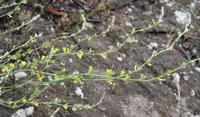
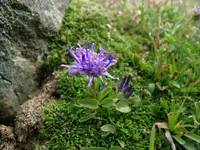
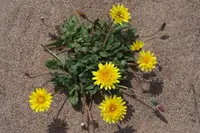
Anthyllis terniflora is a small perennial legume, forming low clumps with fine, divided foliage and clusters of pale, pea-like flowers. Its airy habit gives a light, textured look to rock gardens or dry borders.
This species is native to Mediterranean-type regions, where it grows in sunny, open, and often rocky sites with well-drained, relatively poor soils. It generally suits gardeners who can offer bright light and avoid prolonged wet conditions, which is central to how to care for Anthyllis terniflora.

Care Difficulty
Moderate Care

Light Preference
Full Sun

Water Requirements
Moderate Water

Temperature Preference
Warm Climate

Hardiness Zone
Unknown

Soil Texture
Sandy, Loamy

Soil pH
Slightly acidic (6.5–7.0)

Soil Drainage
Well-drained

Fertilization
Minimal (feed rarely)
Scan your plant to receive care tips personalized for your specific plant
Available on iOS and Android
This sun-loving Mediterranean shrub thrives in open, bright conditions with low to moderate humidity.
This drought-tolerant legume prefers infrequent, deeper watering rather than constant moisture.
This species prefers mild, dry conditions and does best in climates with cool winters and warm, not extreme, summers.
This species tolerates a wide humidity range and rarely needs special humidity management in typical household or outdoor conditions.
This Mediterranean shrub prefers lean, well-drained, mineral soils that do not stay wet.
This species can be grown in containers if drainage and root depth are carefully managed.
This drought-adapted legume usually needs minimal feeding, especially in free-draining, low‑fertility soils.
Pruning Anthyllis terniflora is mainly about tidying and maintaining a compact, flowering shape.
This species is usually grown in open, well-drained ground; focus on careful transplanting rather than frequent repotting.
Propagation is commonly done from seed, with cuttings as a secondary option for specific forms.
This sun-loving subshrub is moderately cold hardy but benefits from some winter protection in colder climates.

Plant Health Check
Not sure what's wrong with your plant? Check your plant's health inside the app.
This species is naturally restricted to coastal areas of the Iberian Peninsula, where it grows on rocky, often calcareous slopes influenced by maritime conditions.
The specific epithet terniflora refers to the plant’s characteristic arrangement of leaves and/or flowers in groups of three, a trait that helps distinguish it from other Anthyllis species.
As a member of the pea family (Fabaceae), it forms root nodules with symbiotic bacteria that fix atmospheric nitrogen, helping improve nutrient-poor, shallow soils of its native habitats.
This species is a perennial, returning from its root system for several years if conditions suit it. Growth may slow or die back in unfavorable seasons, then resume when temperatures and moisture improve.
Keep your plants happy and healthy with plant identification, disease detection, and easy care guidance.